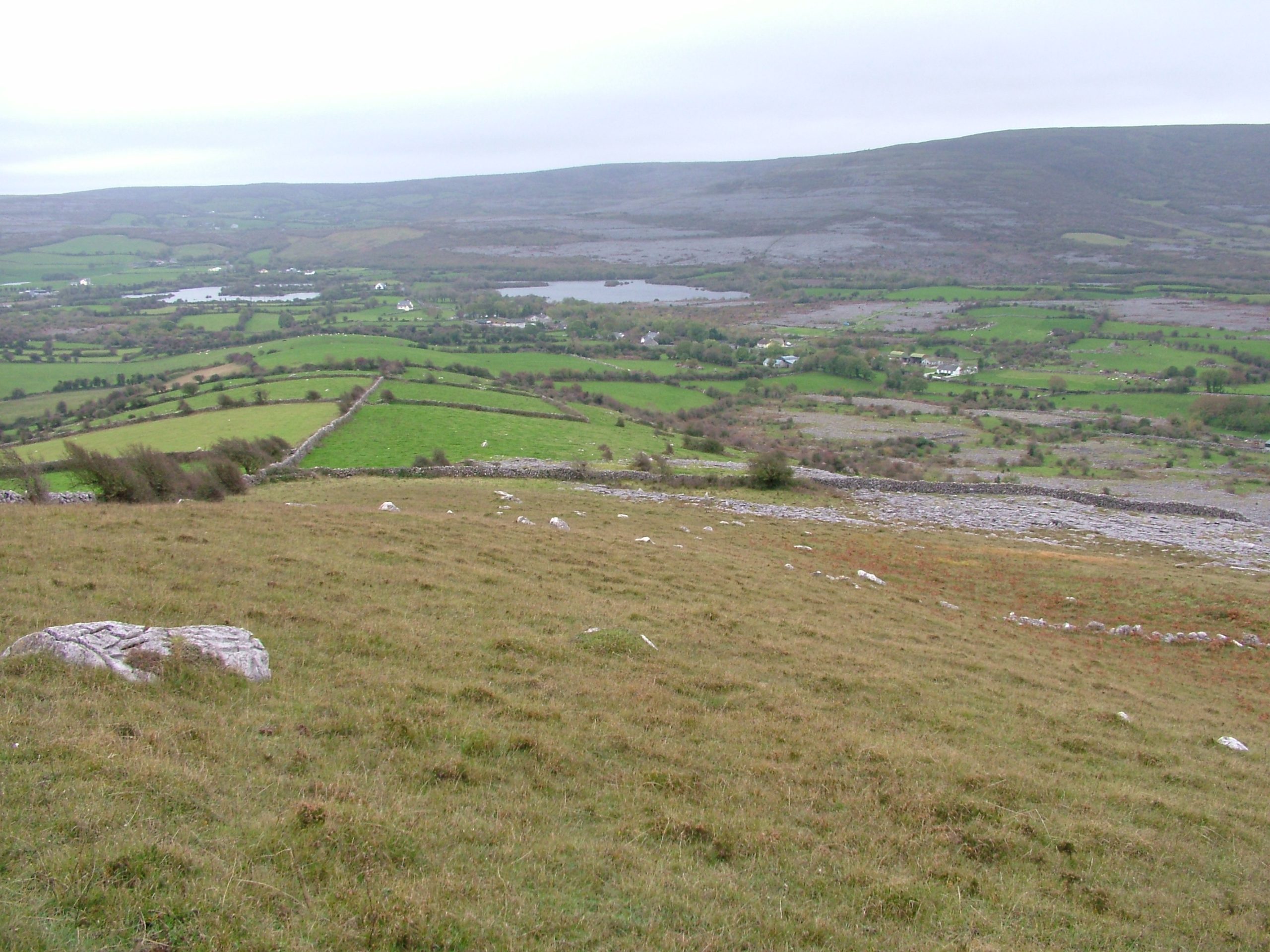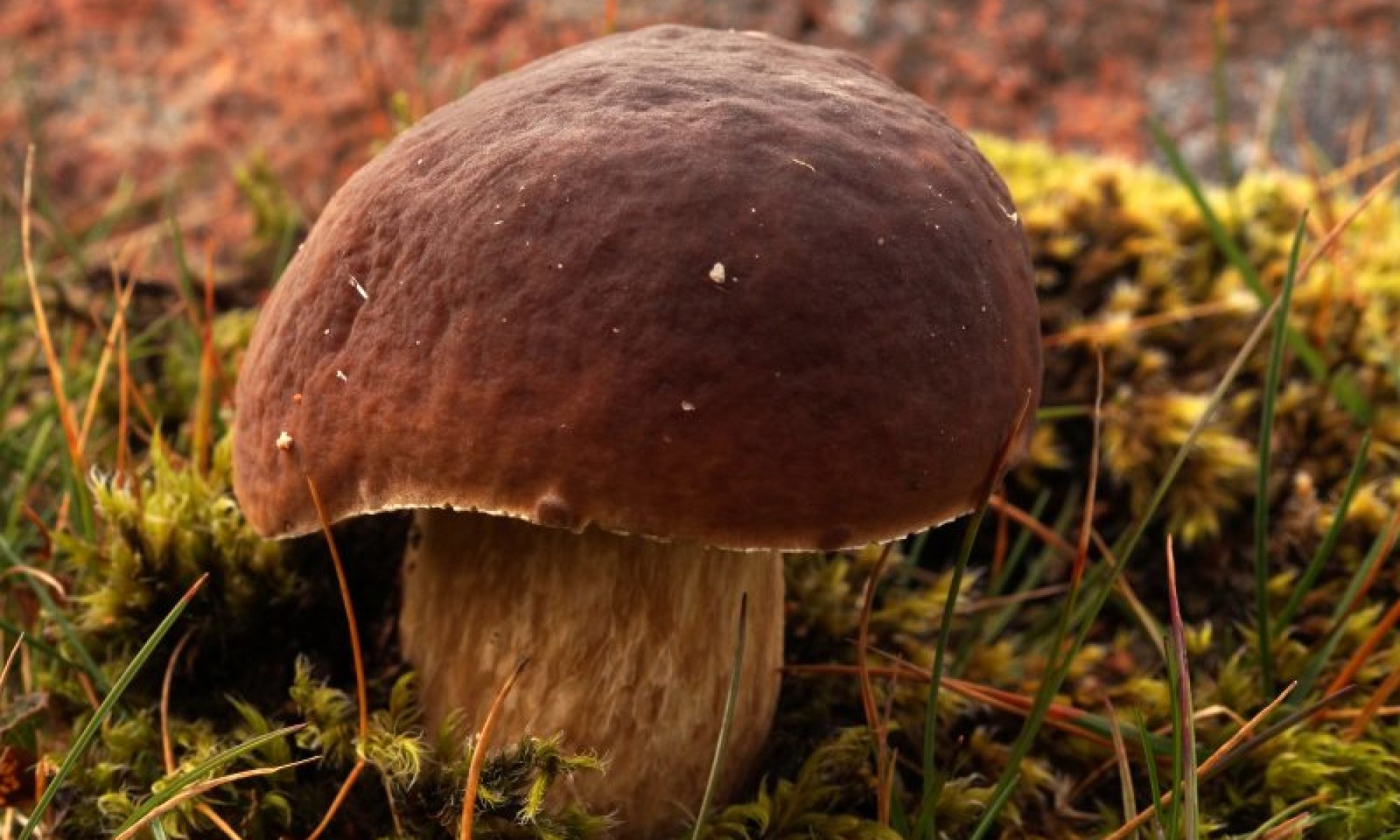
What makes a good grassland fungi site? As written elsewhere, in other parts of the world e.g. the tropics or Australia, waxcaps are woodland species. We have found the majority of our waxcaps in Irish woods as well even including species like Hygrocybe punicea. So, you do wonder, if they were originally woodland species here as well but followed people out into the clearings as the woods were cut down as they were able to survive in the harsher more open habitats, places that were more exposed to a wider daily temperature variation and frosts but where there was less competition. Pure speculation of course, so back to the question of do you look for in a grassland site.
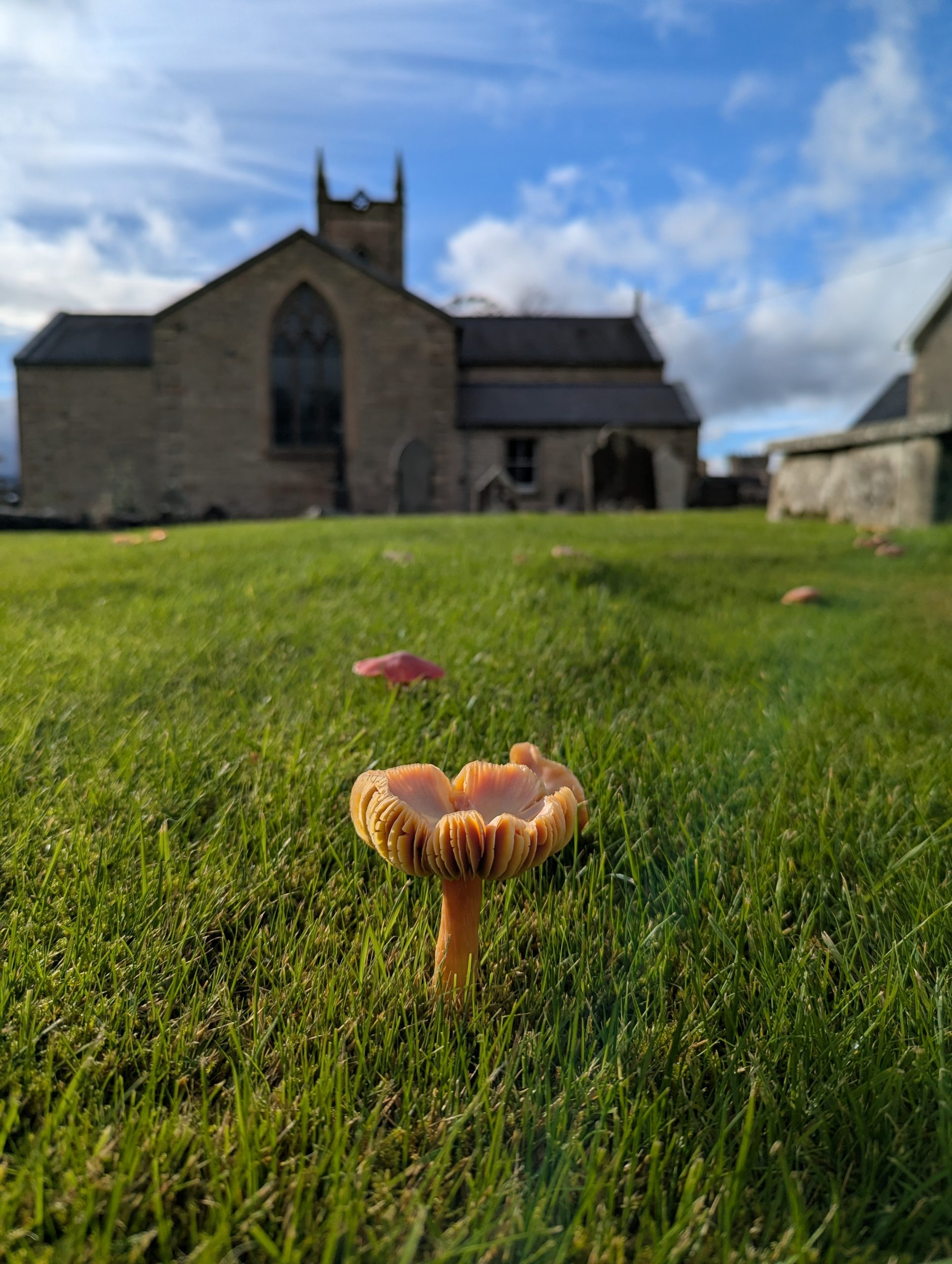
Intensively managed agricultural fields that are ploughed or are fertilised have little interest for the CHEGD groups as they are sensitive to nutrient enrichment and disturbance meaning vast swathes of the Irish landscape do not have any CHEGD sites of interest. In the lowlands, it can be like finding a needle in a haystack as it can come down to micro management on a particular farm where due a farmer’s age or inclination, a field or corner of a field does not get fertiliser and finding such spots are incredibly difficult. In such areas, the best sites tend to be churchyards or estate house lawns that don’t get fertilised. You do get grassland fungi in domestic lawns, roadsides and urban amenity areas but there is usually not a diverse community in these localities. In Great Britain, there are some churchyards with more than 30 species of waxcap but we have just not found that diversity in Ireland with Hillsborough Parish Church being the best churchyard with 18 species. The Curragh, in the lowlands of Kildare, is our best site in Ireland by a long way but it does have a unique history and such a site is incredibly rare.
It is the uplands and coastal areas where grassland fungi are most commonly found. The map of the best sites in Ireland can be a little biased as the areas with the most potential are the areas that attract surveys so there can be positive feedback in that map but it gives a good idea of the current state of knowledge. Sites that I would look for in areas with few records would have the following features (these are personal observations without statistical backup):
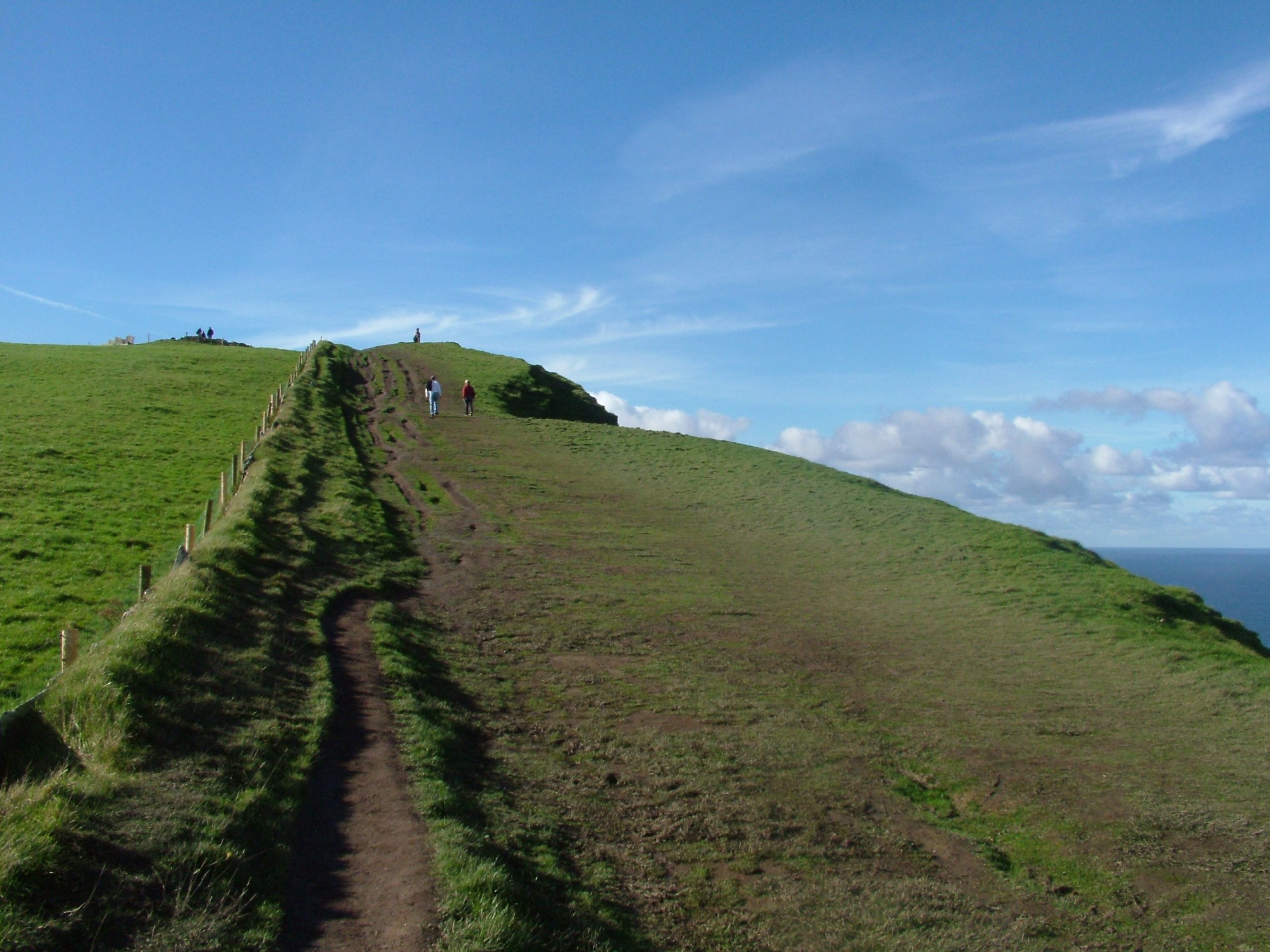
- Steep slopes – as steep as possible as that makes improvement difficult although the increased use of quads mean that even these areas are becoming fertilised. I don’t think aspect matters as we have found good sites facing all sorts of directions.
- Well grazed – a short turf is wonderful so rabbits are especially favourable. A sward height of 10cms is getting too long as a thick thatch can develop meaning that the fungi struggle to fruit through it. It would be fascinating to do eDNA surveys on such sites to see if the fungi are still there but unable to fruit. There is a lot of debate about cattle v sheep grazing with some thoughts in GB that it is sheep grazing, not cattle, that is important but this is not the case in Ireland as many of our best sites have cattle or mixed grazing.
- Well drained maybe due to being coastal or steep. Grassland fungi do not seem to fruit on wet sites but this can be on a micro scale e.g. on Slievenacloy where the fields are too wet and it is the earth banks marking the field boundaries that are rich in fruiting bodies. Lazy beds are always worth homing in on as are steep stream banks. Road verges can be good as they are well drained and I have often walked for kilometres along roads with bog on either side but where the road verge is good.
- Both calcareous and acidic grassland are good. They can have different species occuring on them but with the often thinner soils on calcareous grassland, fruiting can be sparser – still rich but you have to cover more ground to get a good species list. Acidic grassland can be where you get the massive quantities of fruiting bodies but when it gets too acidic i.e. turning into heath or bog, the grassland fungi largely disappear.
- The high mountains have not been very productive in Ireland. Soils maybe are too acidic but, for example, little has been found in the high Mournes. Stream edges tend to be the spots to look for. There is a very special community of montane grassland fungi where species like Hygrocybe salicis-herbaceae, Chromosera citrinopallida, Chromosera xanthochroa and Chromosera lilacina can be found but so far these have not been found in the high mountains e.g. Slieve Donard. Bizarrely though, Chromosera xanthochroa and Chromosera citrinopallida have been found on Cave Hill and Collin Mountain in the Belfast Hills but these are our only montane grassland fungi finds.
The following are photos of some of our best sites (in descending order) plus some other random sites to illustrate some of these points.
If a site is illustrated here, it does not mean that it is necessaily open for public access and a landowner’s permission for access should always be sought.
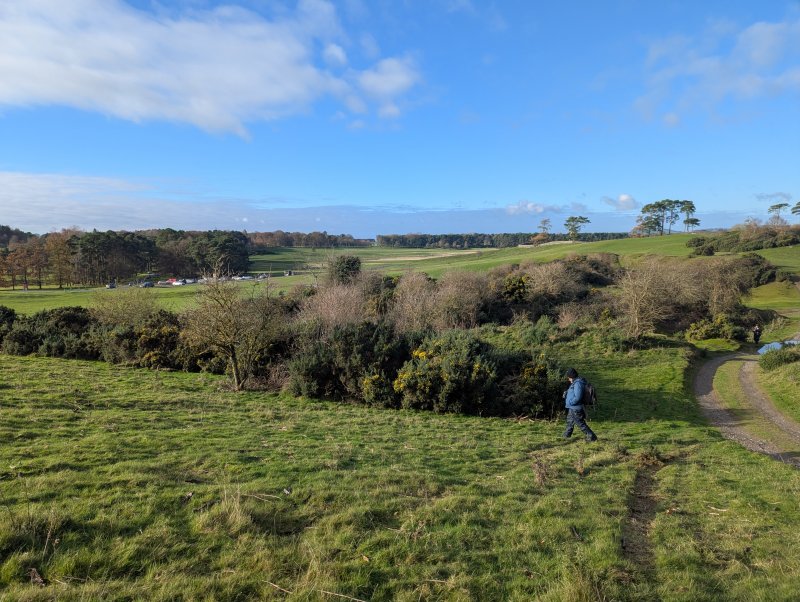
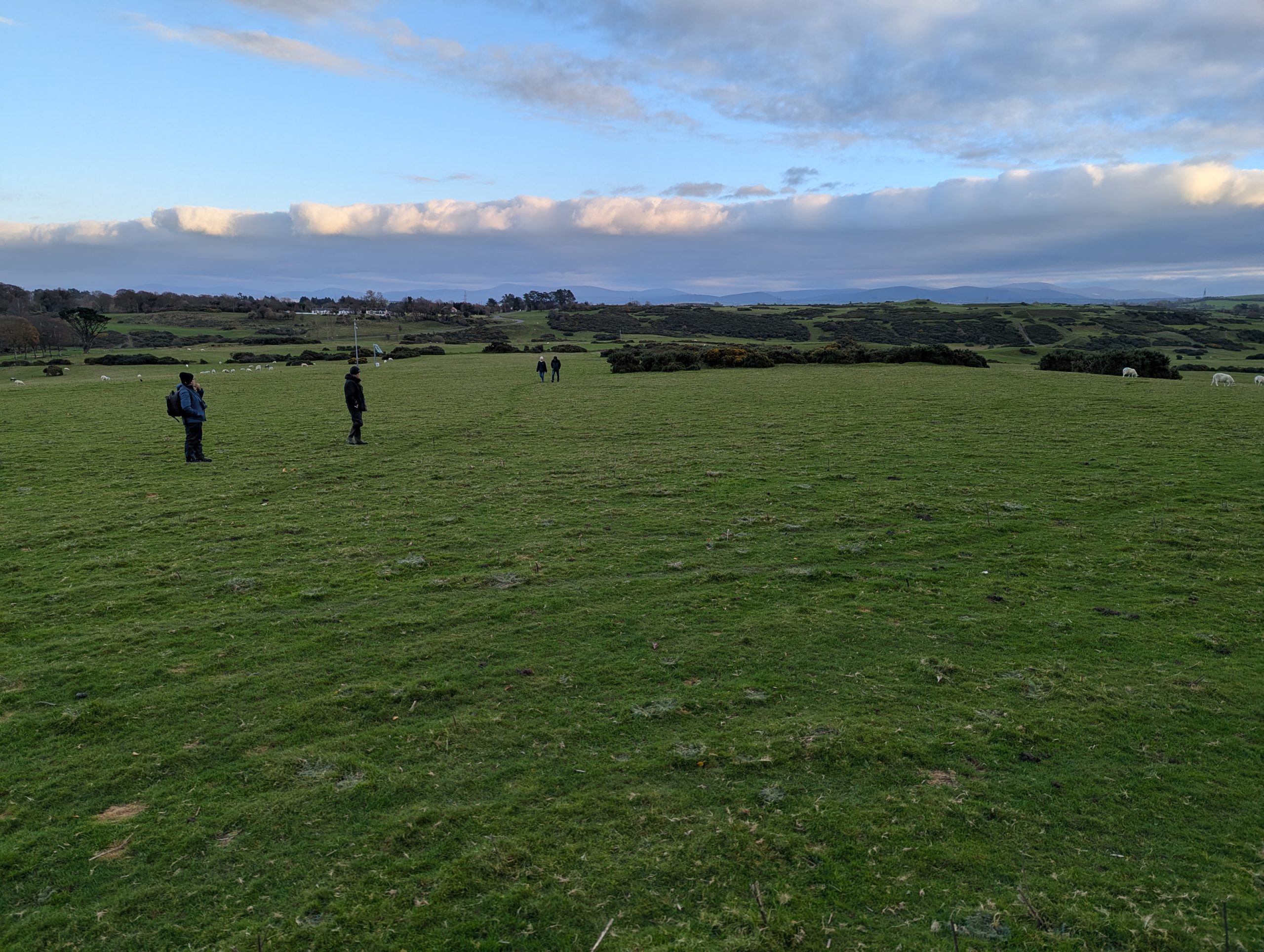
The Curragh, KIldare
A unique site. A glacial outwash plain, this must rank as one of the top sites in Europe. For historical reasons, it has unenclosed and unploughed for centuries. Managed largely as a military training site since the Crimean War and unofficially earlier than that. Where there has been disturbance e.g. practice trenches dug, the calcareous bedrock has been exposed meaning that it is a mixture of acidic and calcareous grassland.
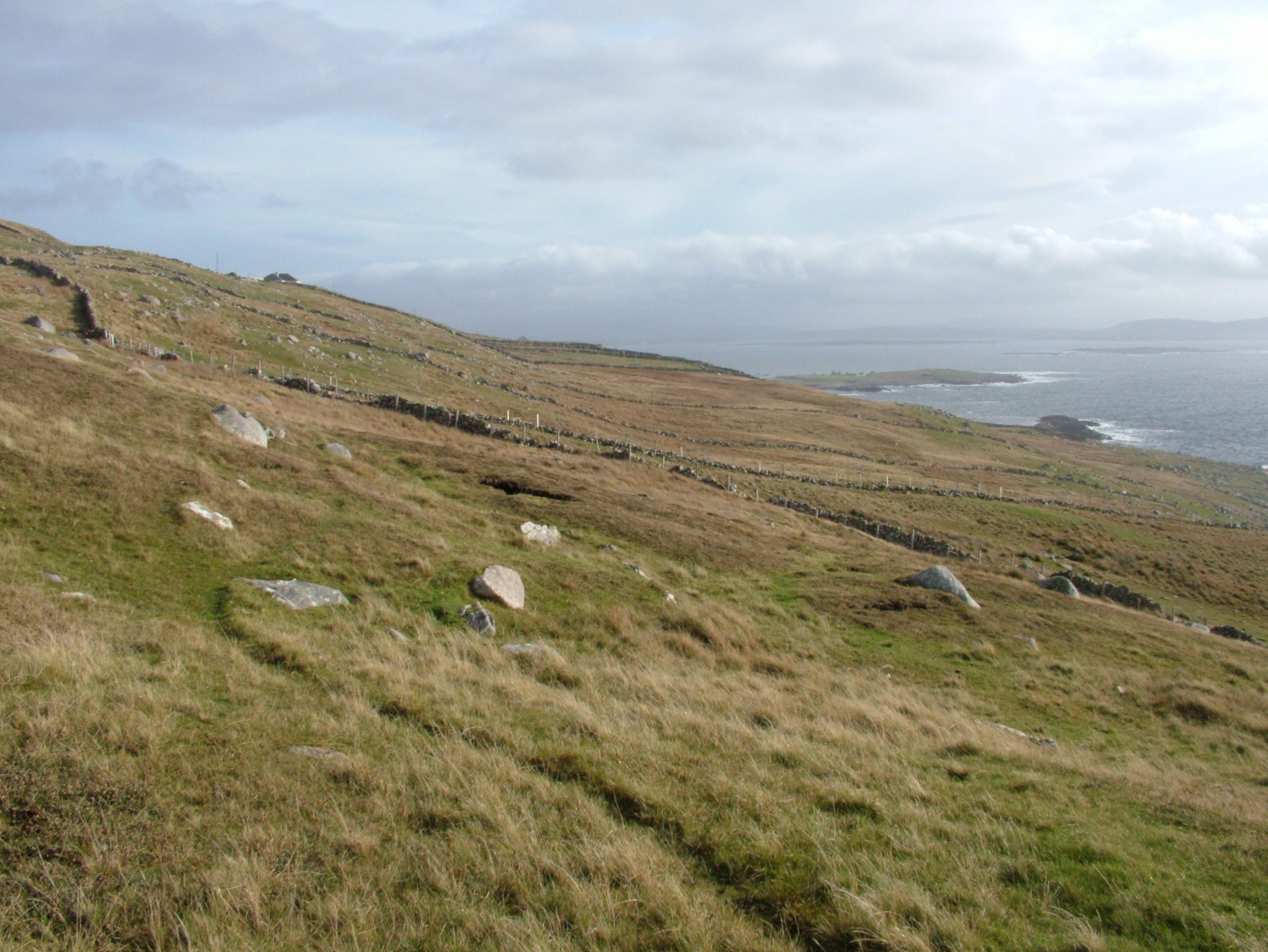
Clare Island, Mayo
A mixture of coastal and upland acidic grassland with farmed fields along the coast often with lazy beds.
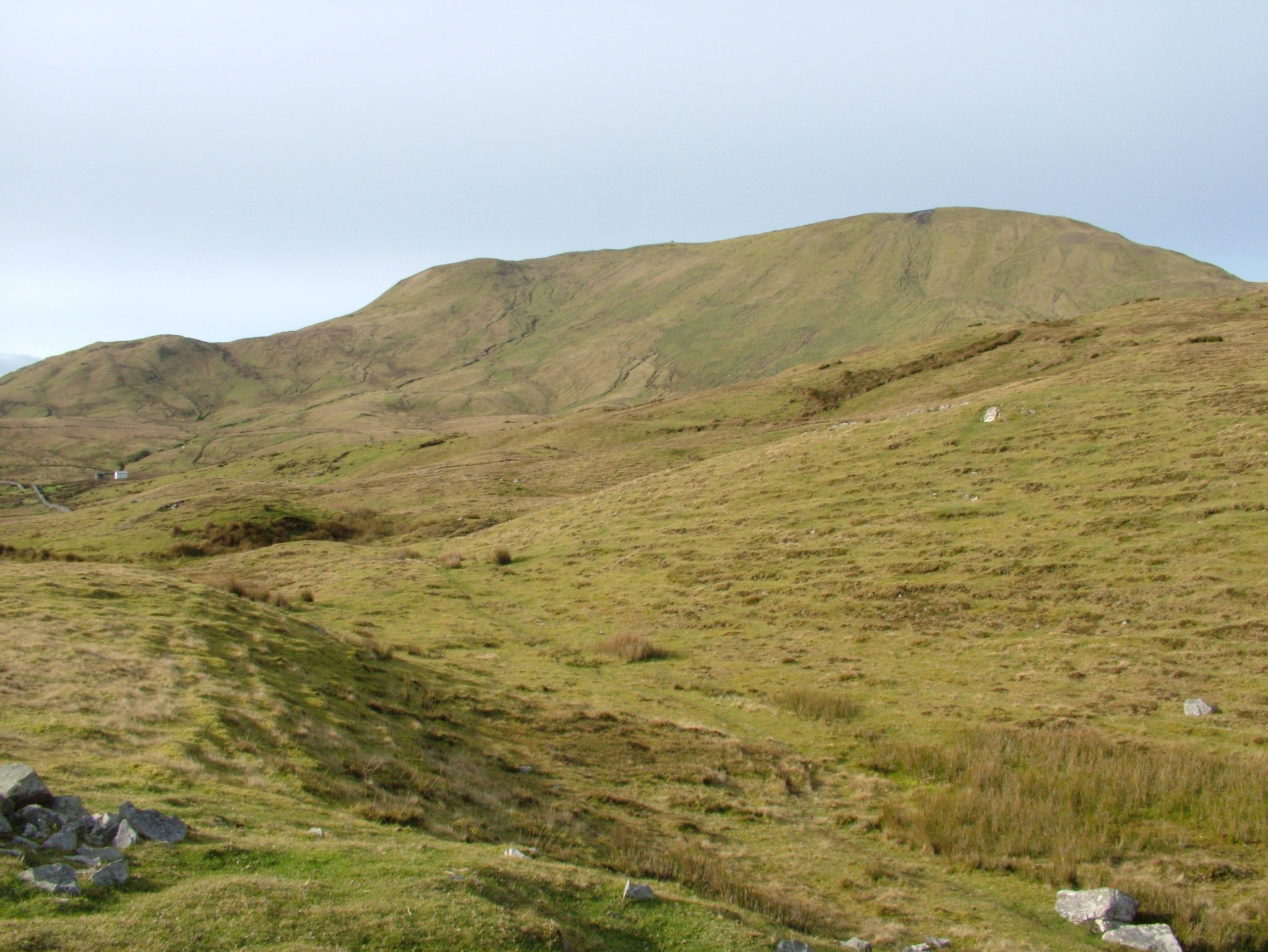
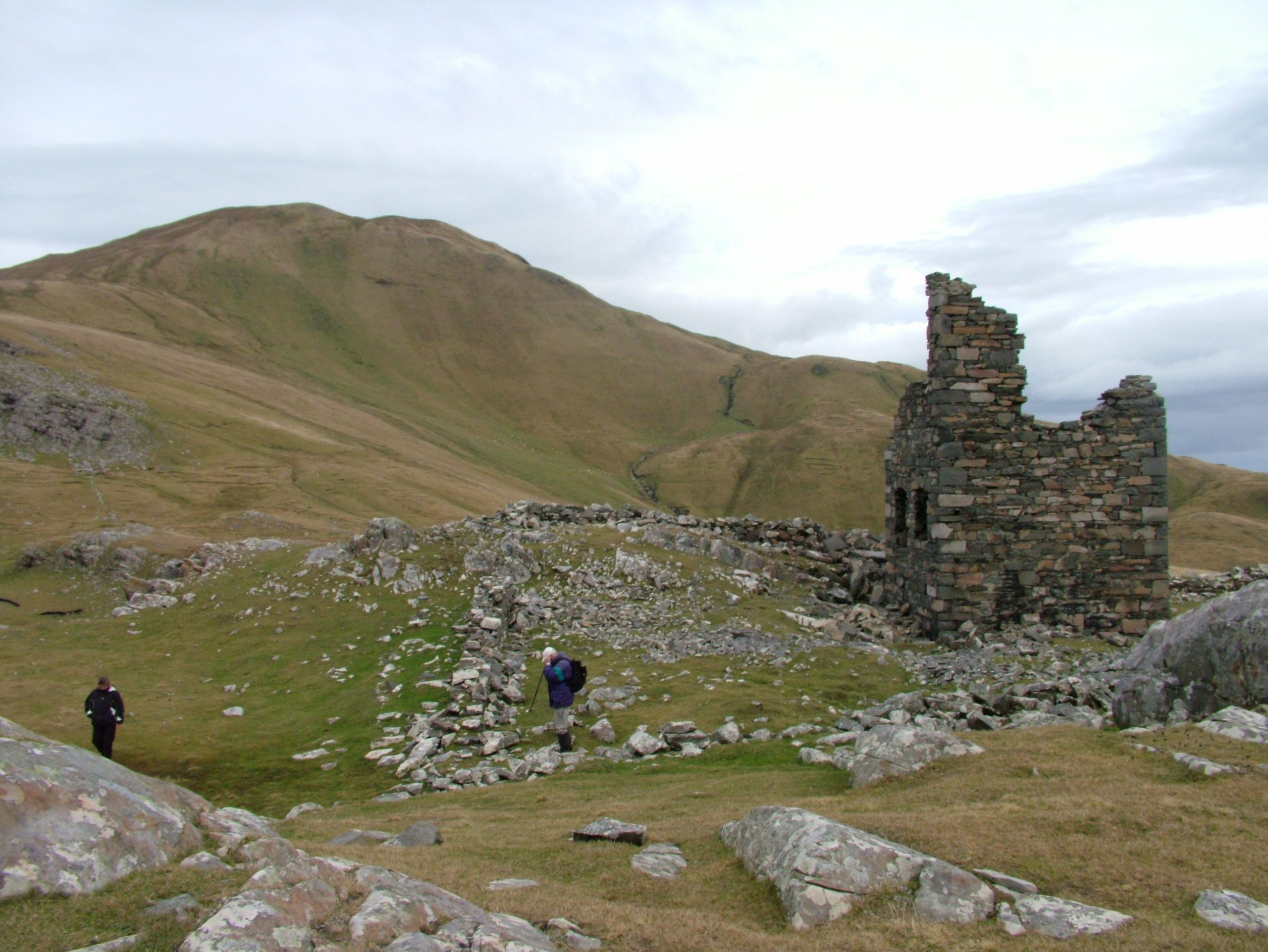
Slievenacloy ASSI, Antrim
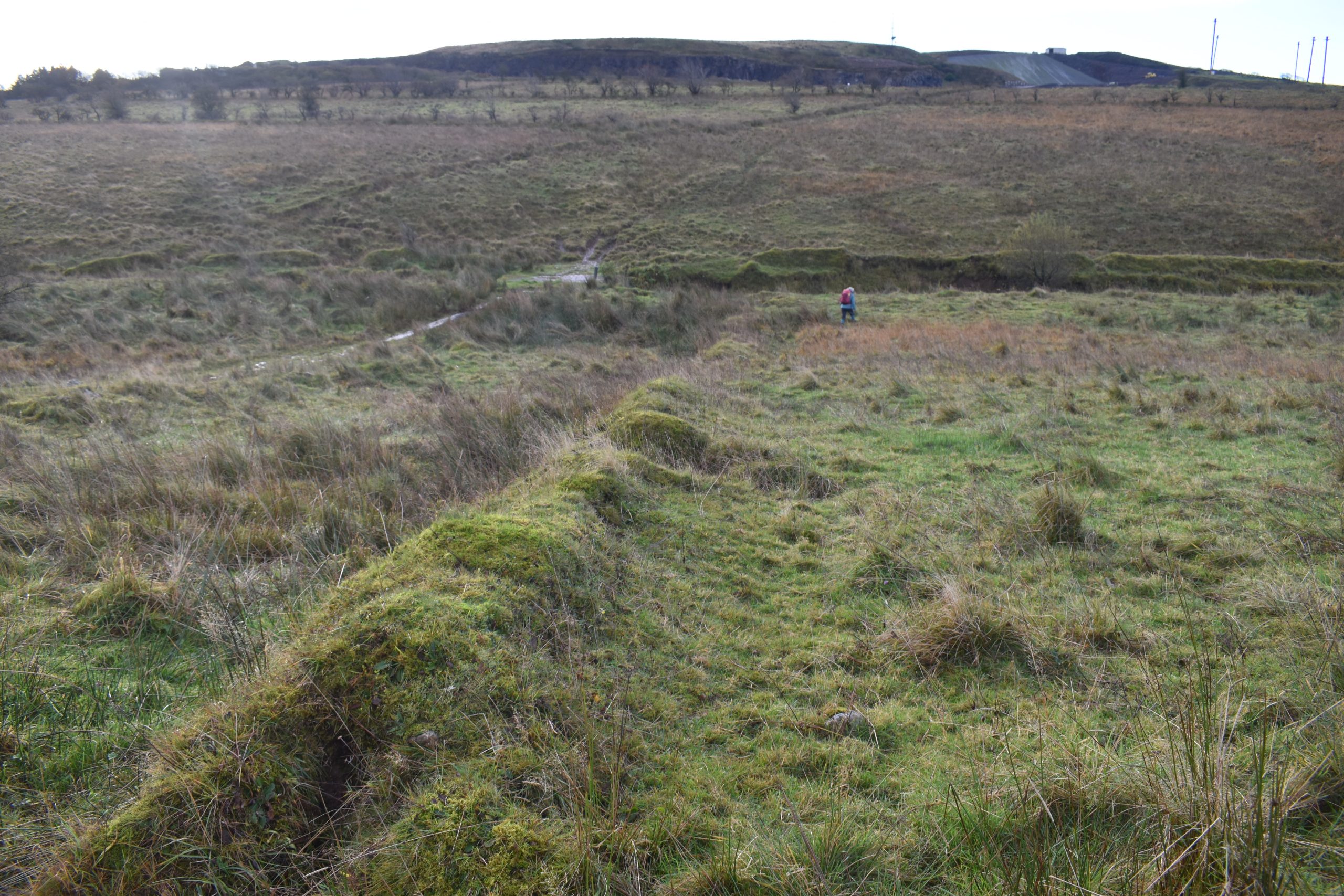
A surprising site in many ways, many of the field centres are too wet for any fruiting which is restricted to the earth banks and the steeper slopes around the streams. Some of the upper fields above the Flow Bog Road are drier and better.
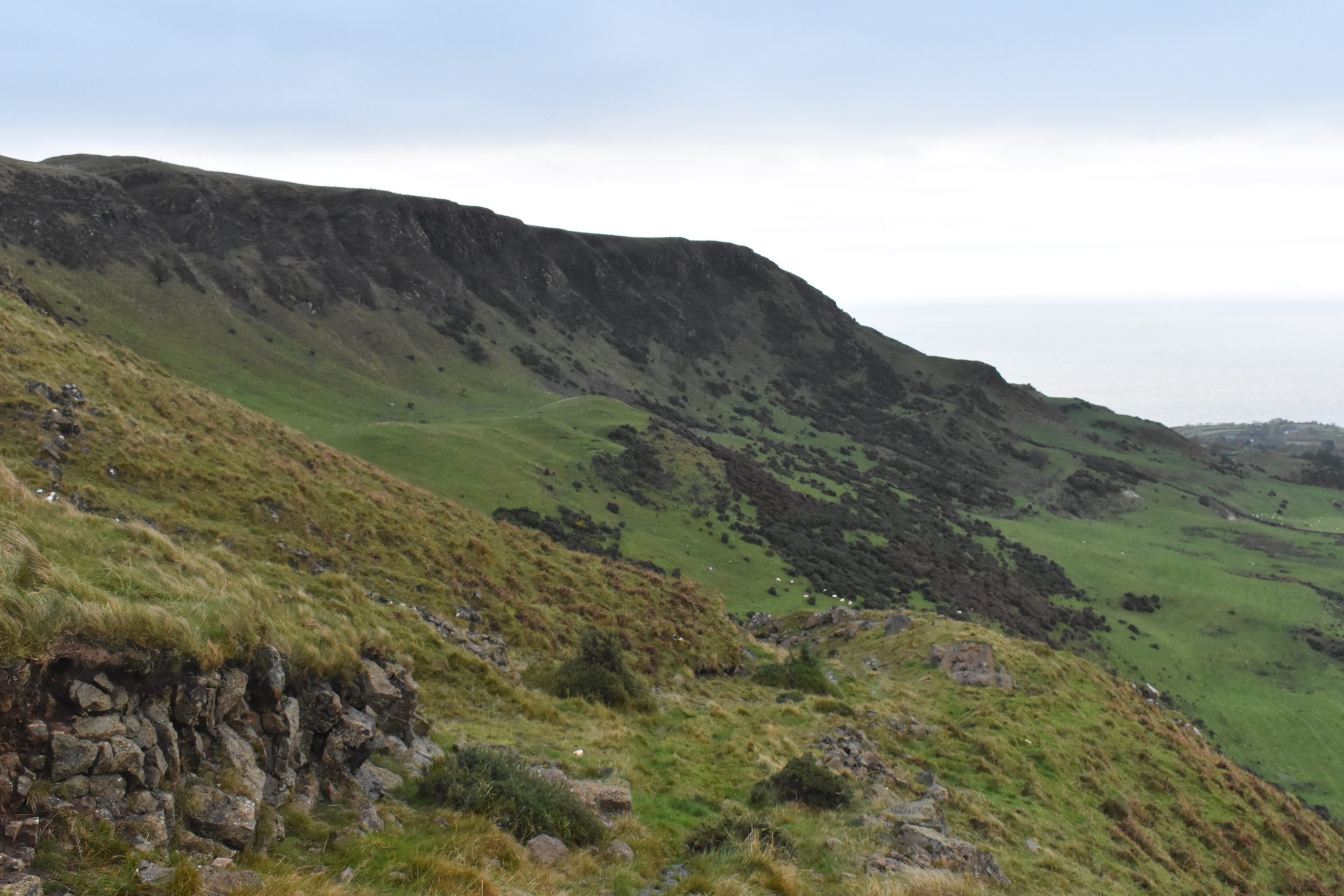
Knockdhu and Sallagh Braes ASSI, Antrim
The whole area from Sallagh Braes to Ballygilbert Hill further north is excellent and the interest hardly stops. The Antrim basalt plateau falls steeply towards to sea here giving a rich mixture of grassland types. The ASSI is largely the steep slopes below the cliff edge.
Killykeeghan and Crossmurrin NNR, the Marlbank, Fermanagh
The Marlbank is a wonderful mixture of calcareous grassland sites. This particular site has now a thicker sward than in the past and fruiting seems to be struggling a bit more.
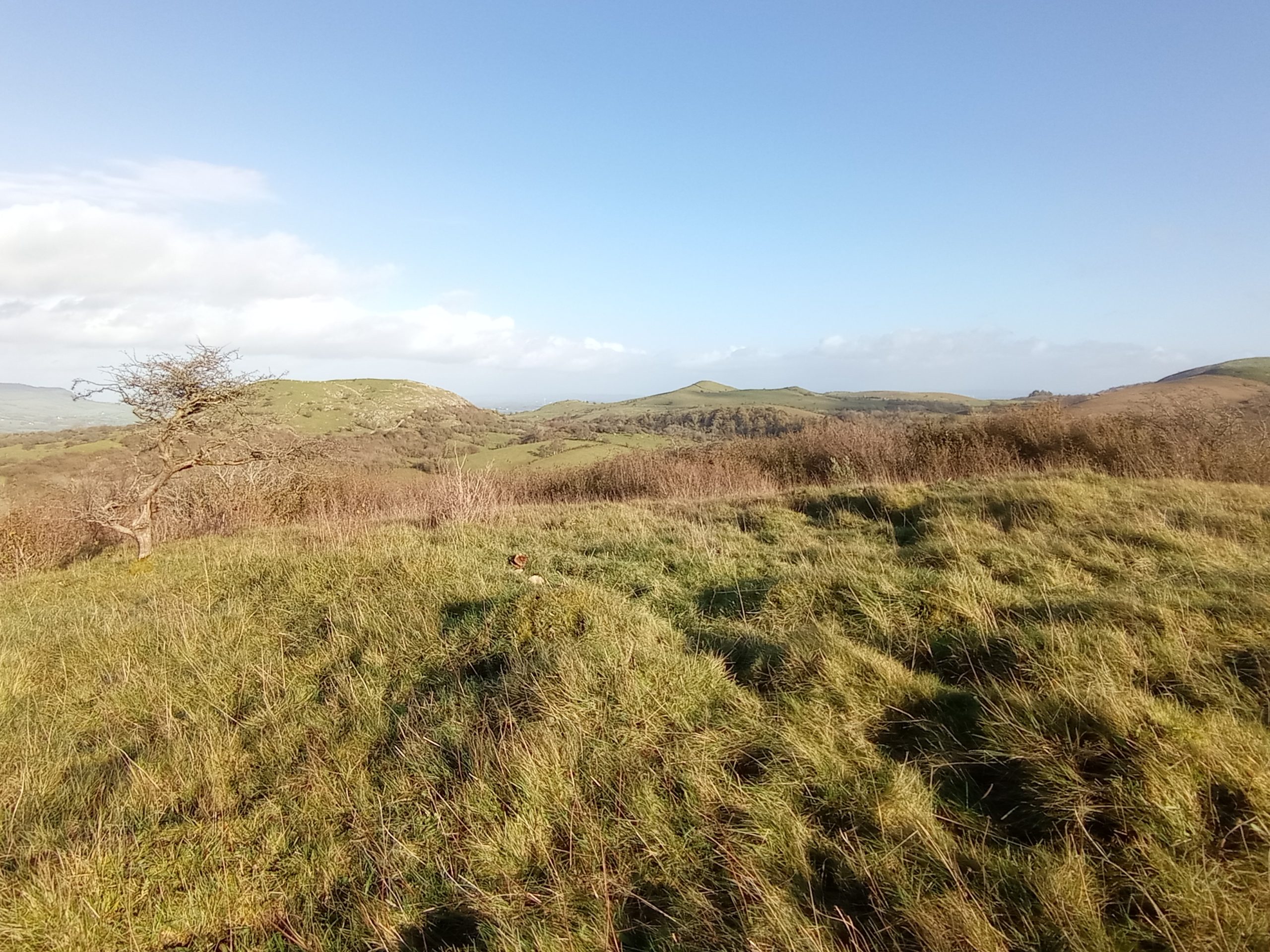
Rathlin Island: Kebble ASSI
Back on the well grazed basalt grasslands of Antrim, Kebble is another one where maybe due to sward heights, fruiting appears not to be as good as in the past and certainly not as abundant.
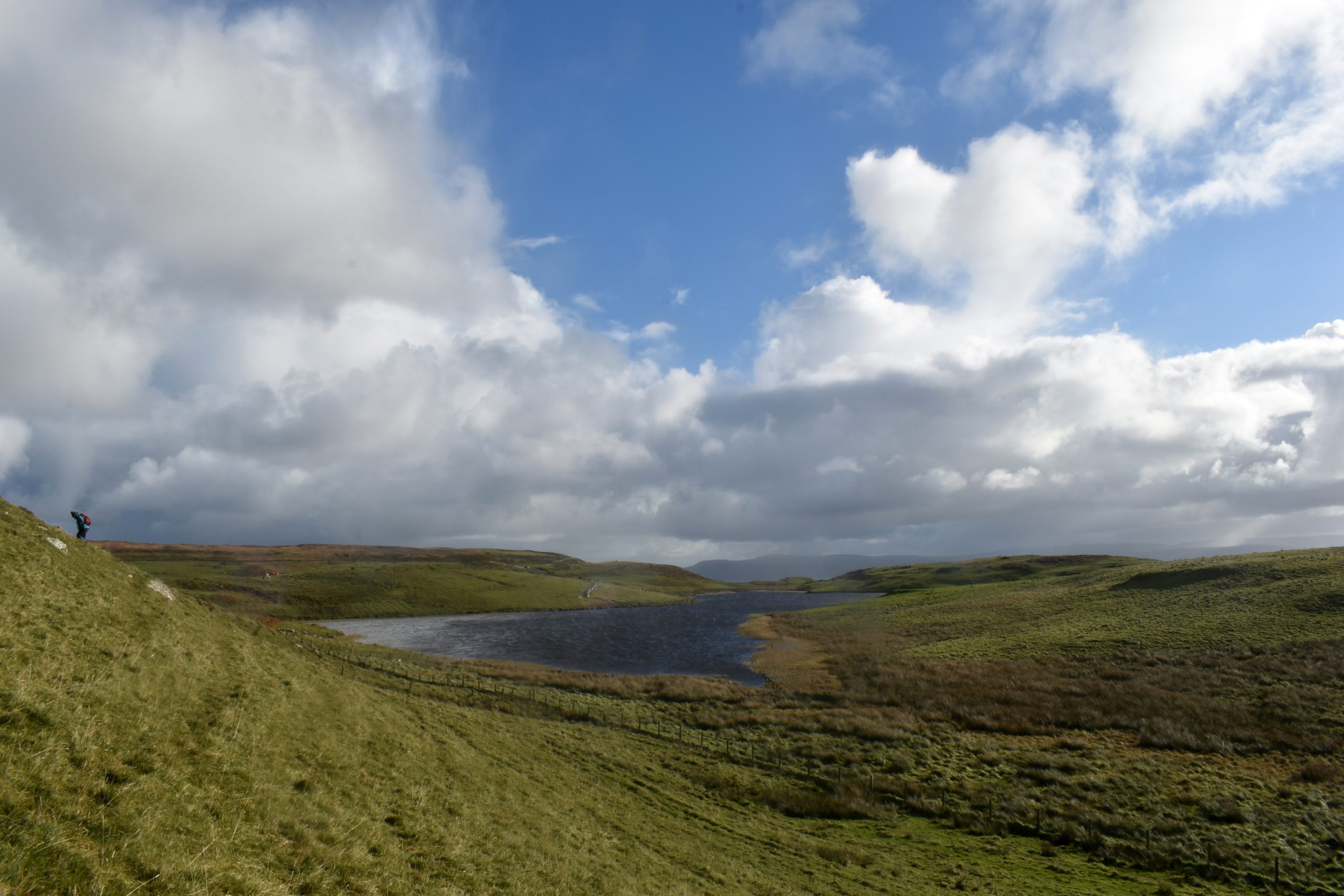
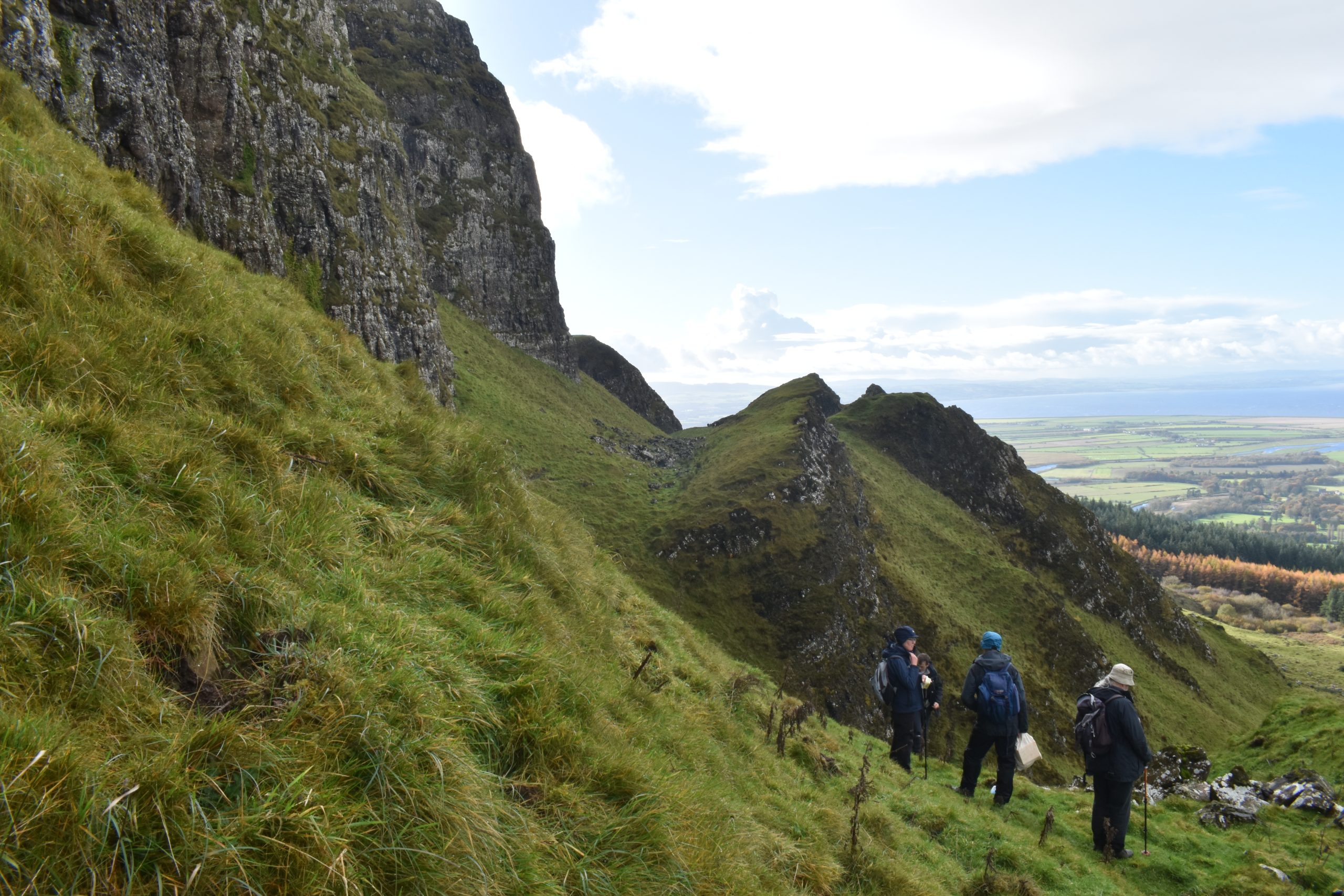
Binevenagh ASSI, Londonderry
A wonderful site with often abundant fruiting both on the lower grasslands and the area on the steep slopes at the cliff base where the soils are more calcareous.
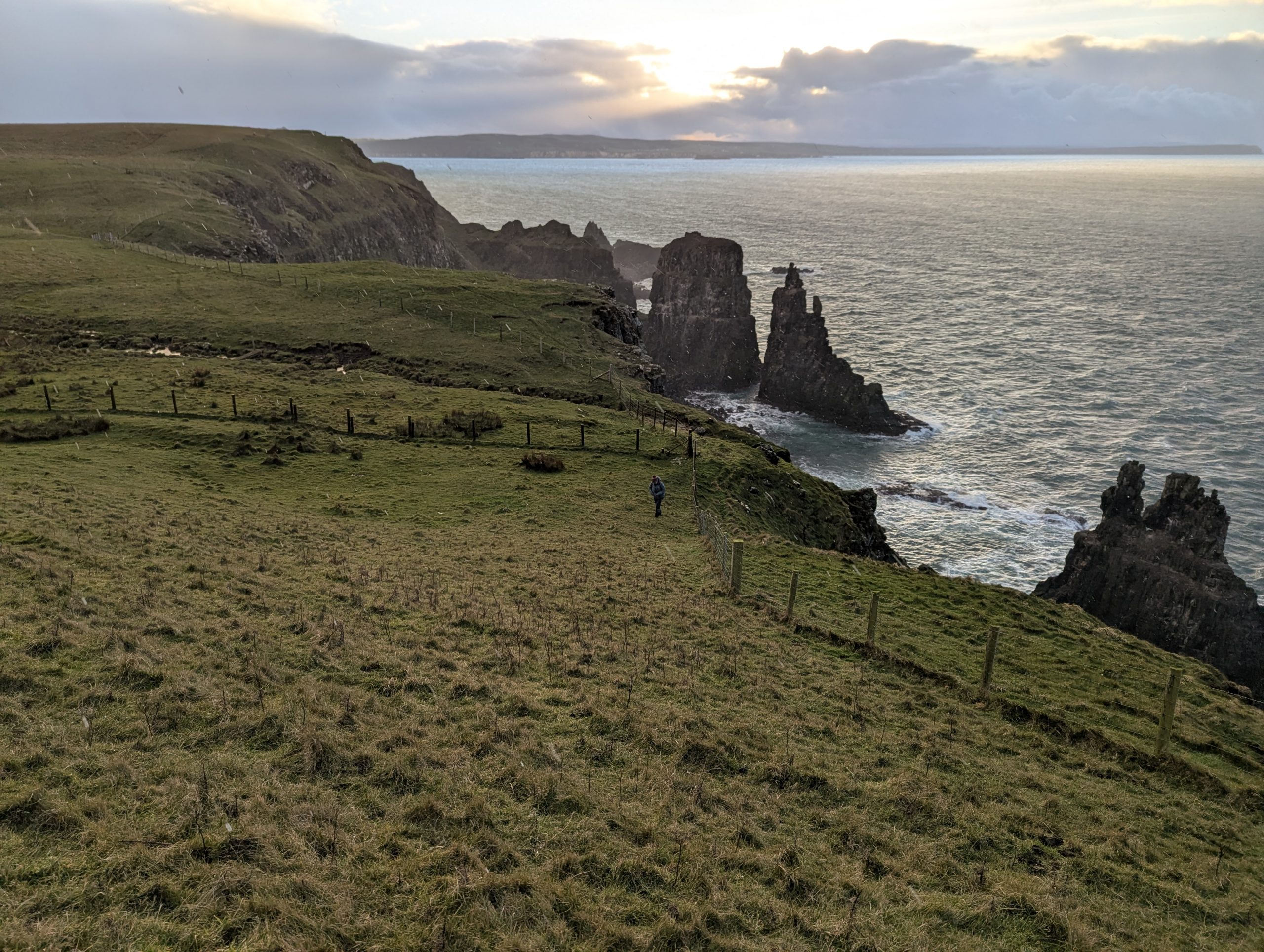
Galboly ASSI, Garron Point, Antrim
Very closely grazed grassland under the cliffs of Garron Point – one of the Game of Thrones filming locations.
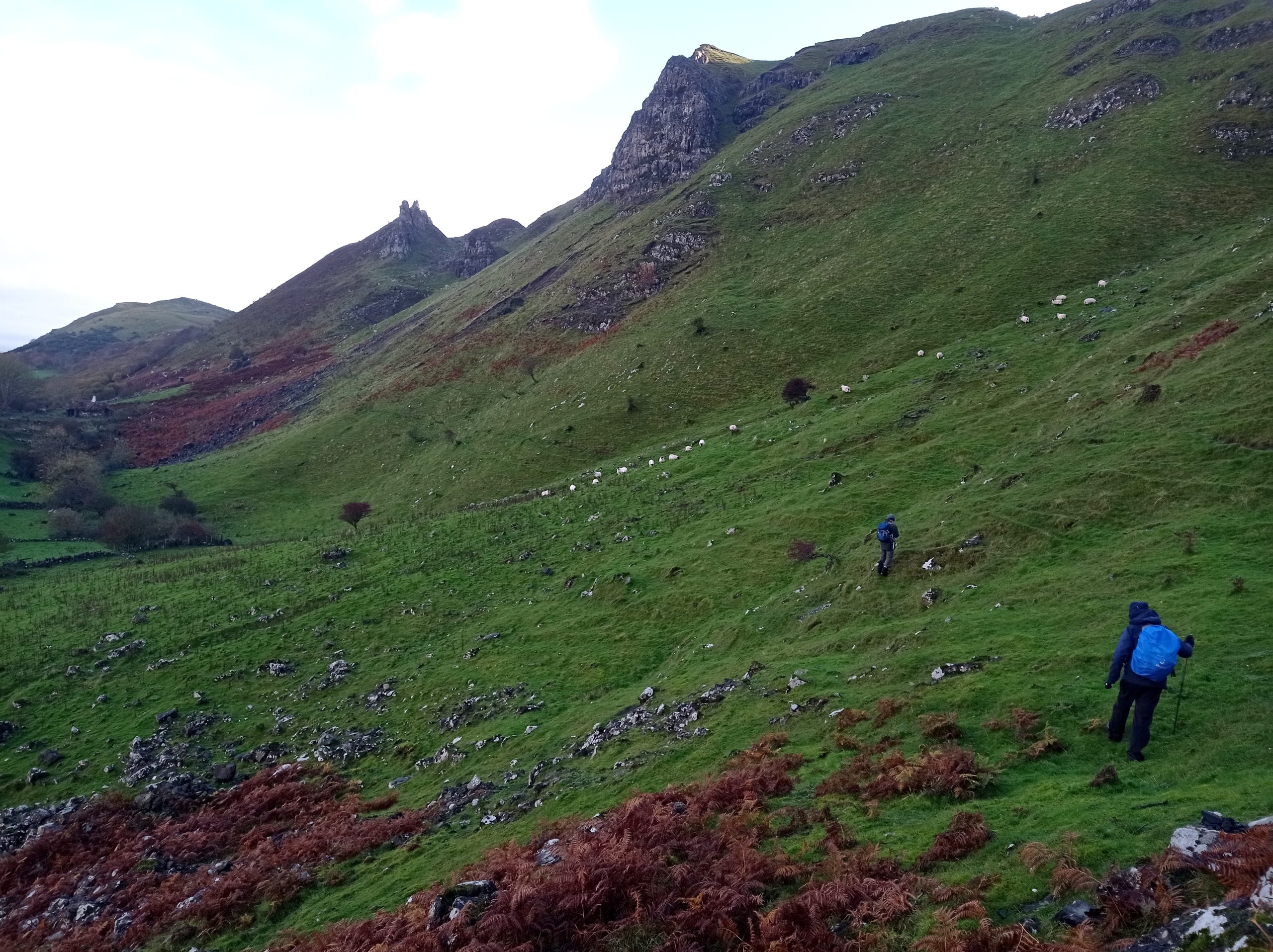
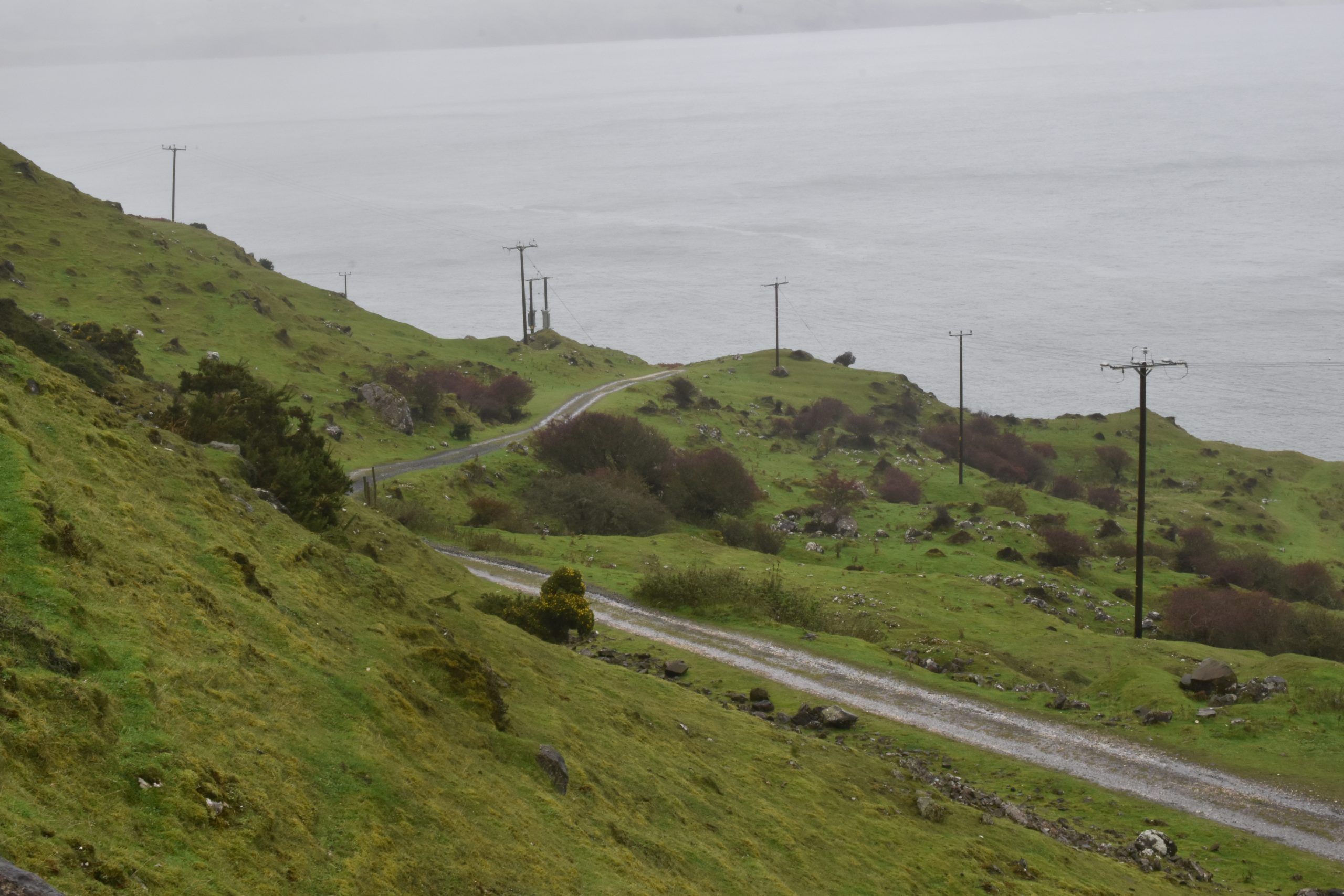
Divis and Black Mountain, Belfast Hills
Old field boundaries, small patches of grassland along the road on the way up to the TV masts and the steeper stream edges provide a surprising abundance of species
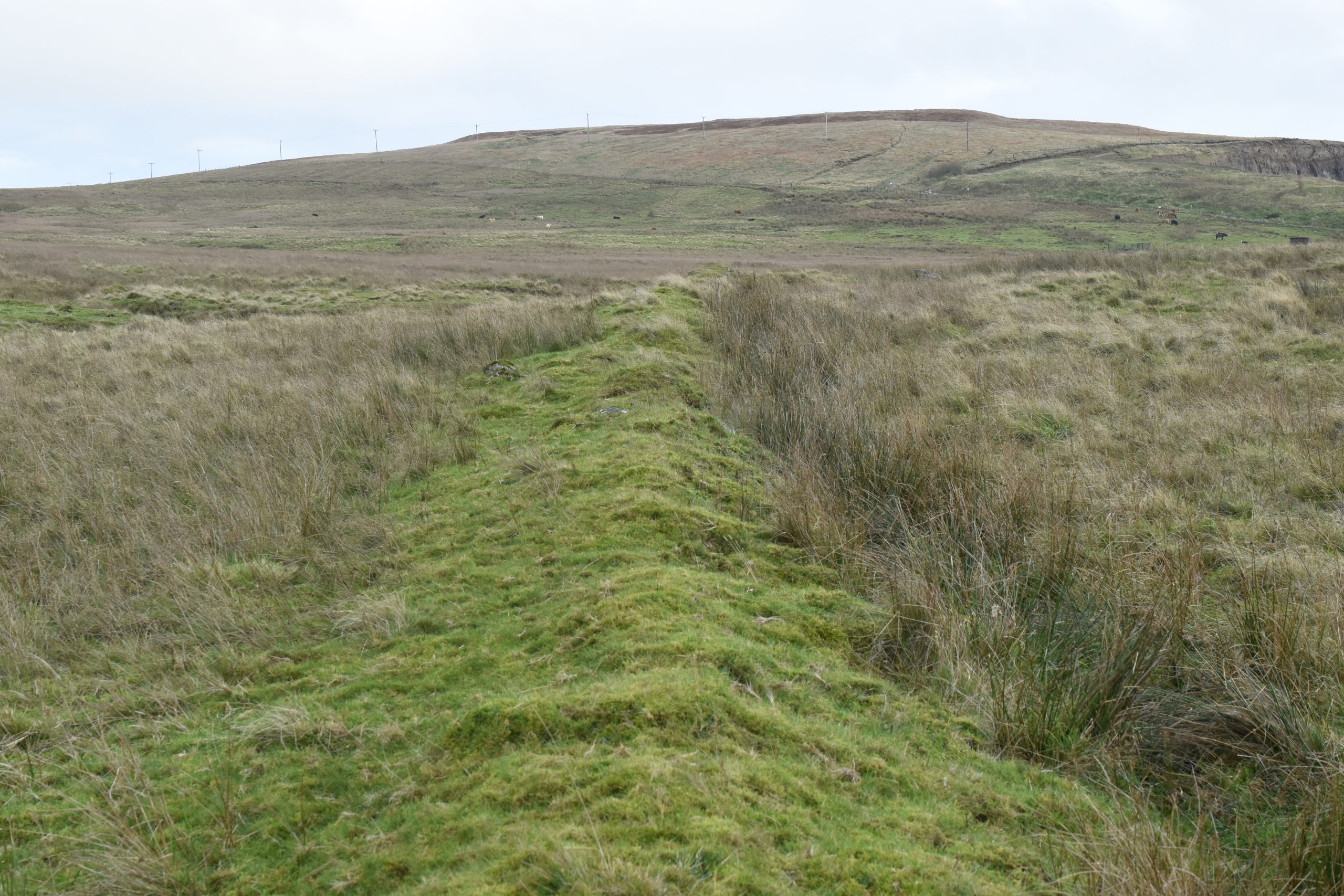
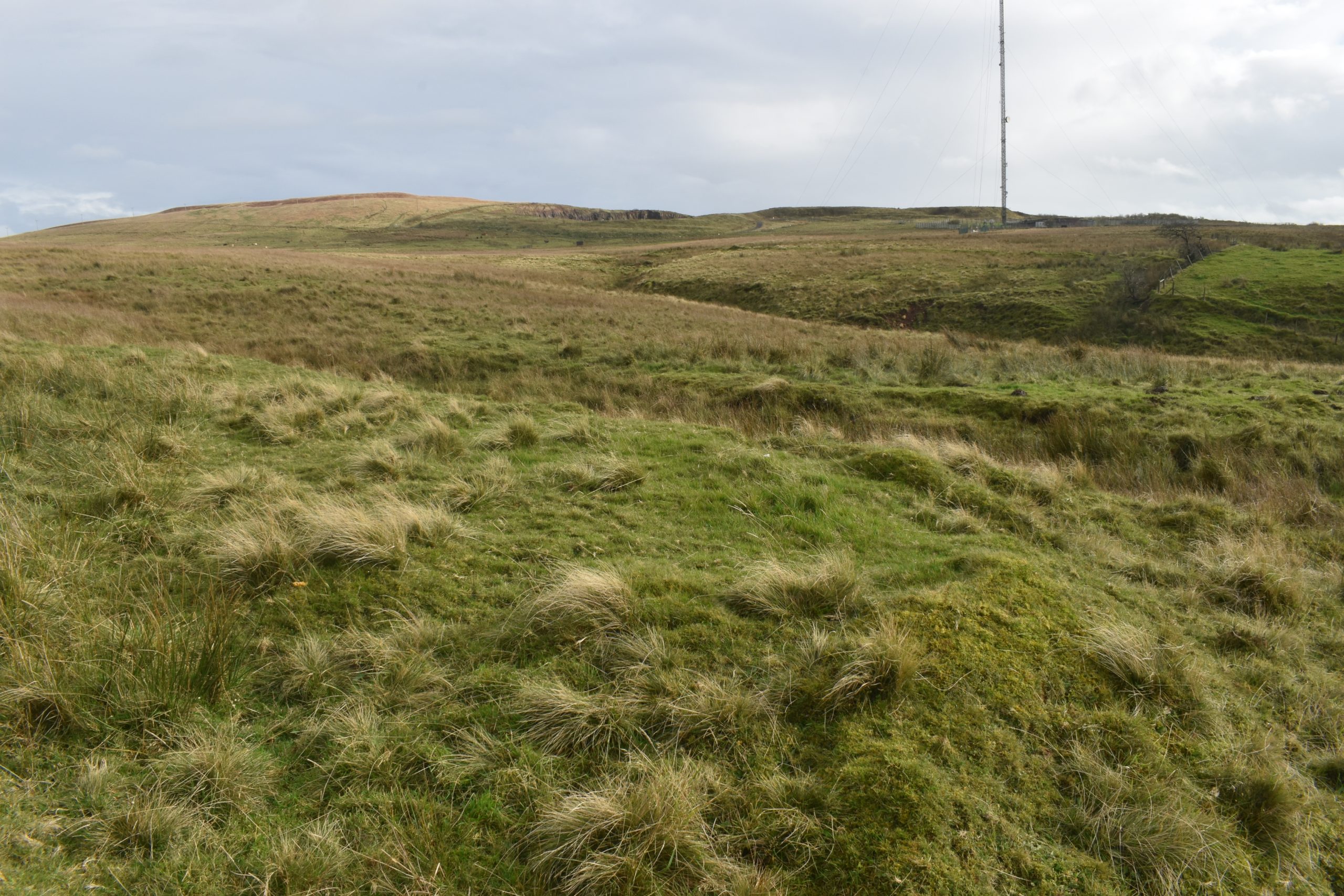
Monawilkin ASSI, Fermanagh
Steeply undulating calcareous grassland. Well grazed with cattle and sheep.
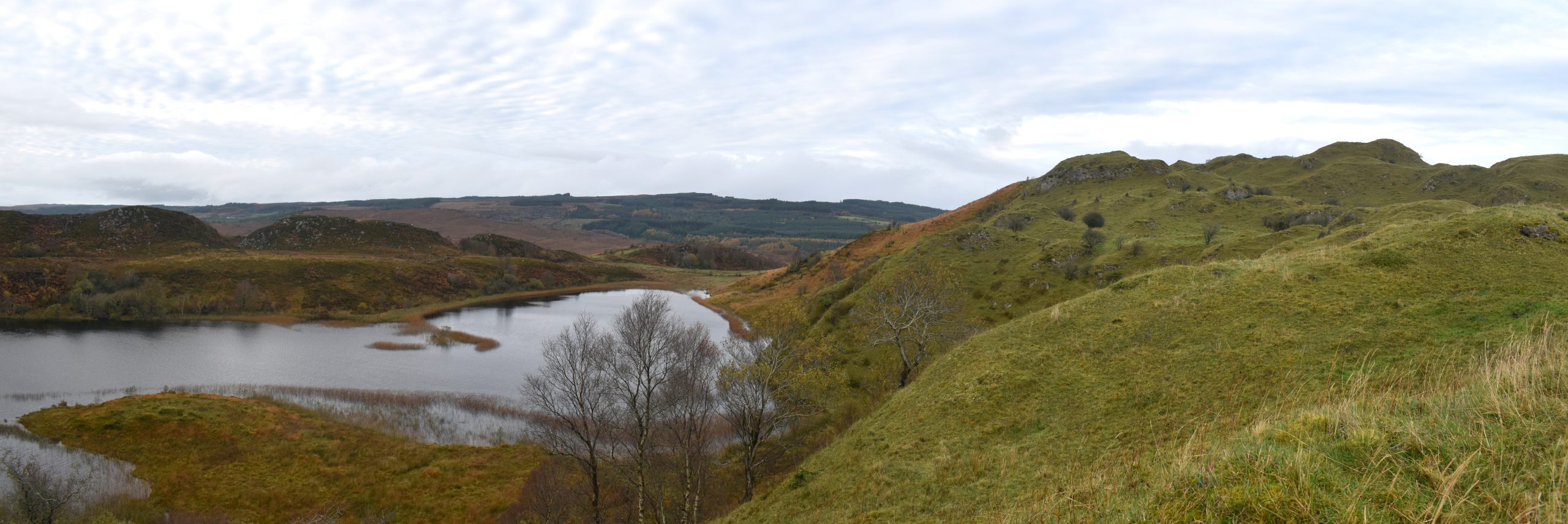
Legland Mountain, Fermanagh
Calcareous grassland and limestone pavement with some acidic fields where it is grading into bog higher up. Near to Knockmore and grazed by cattle and sheep
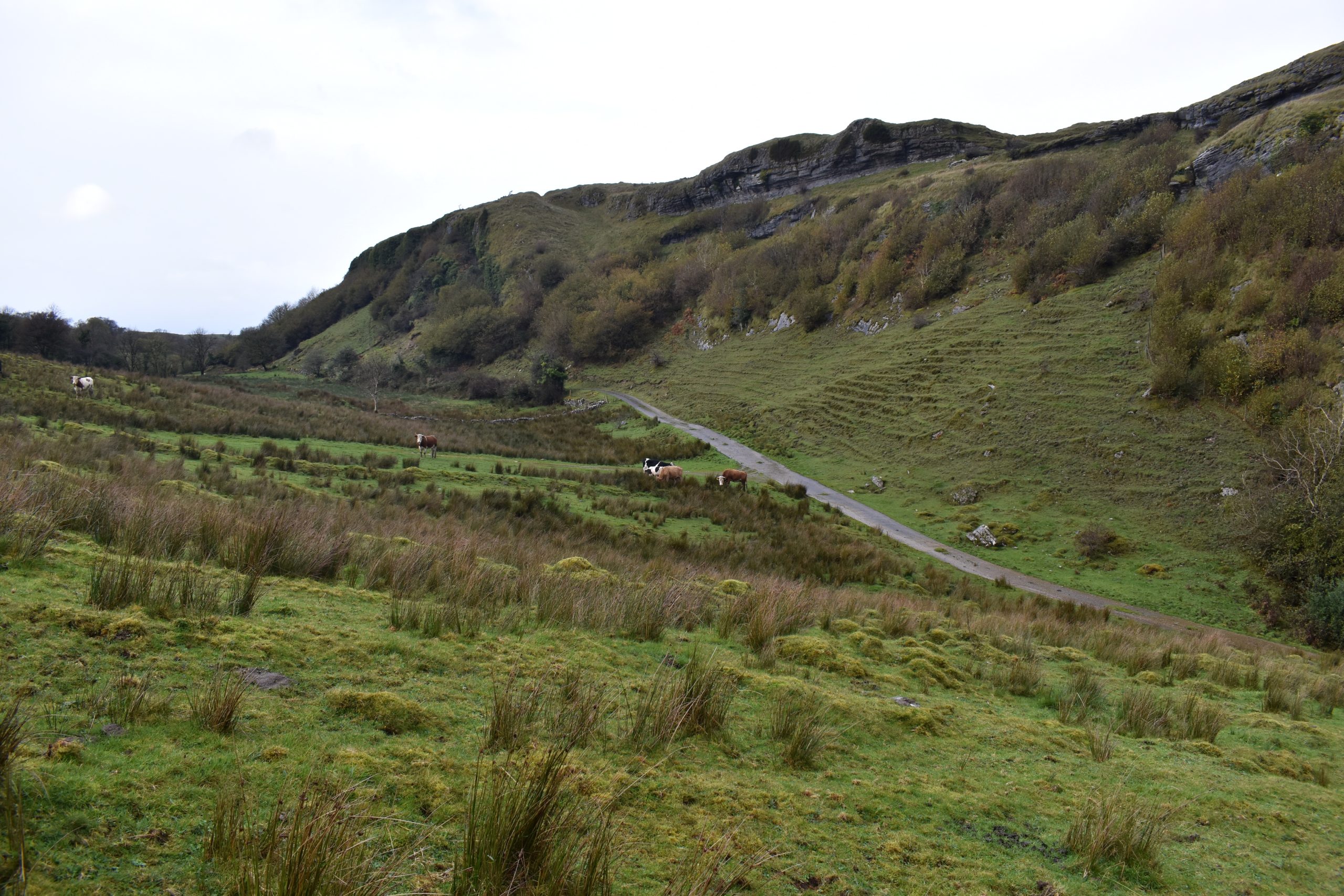
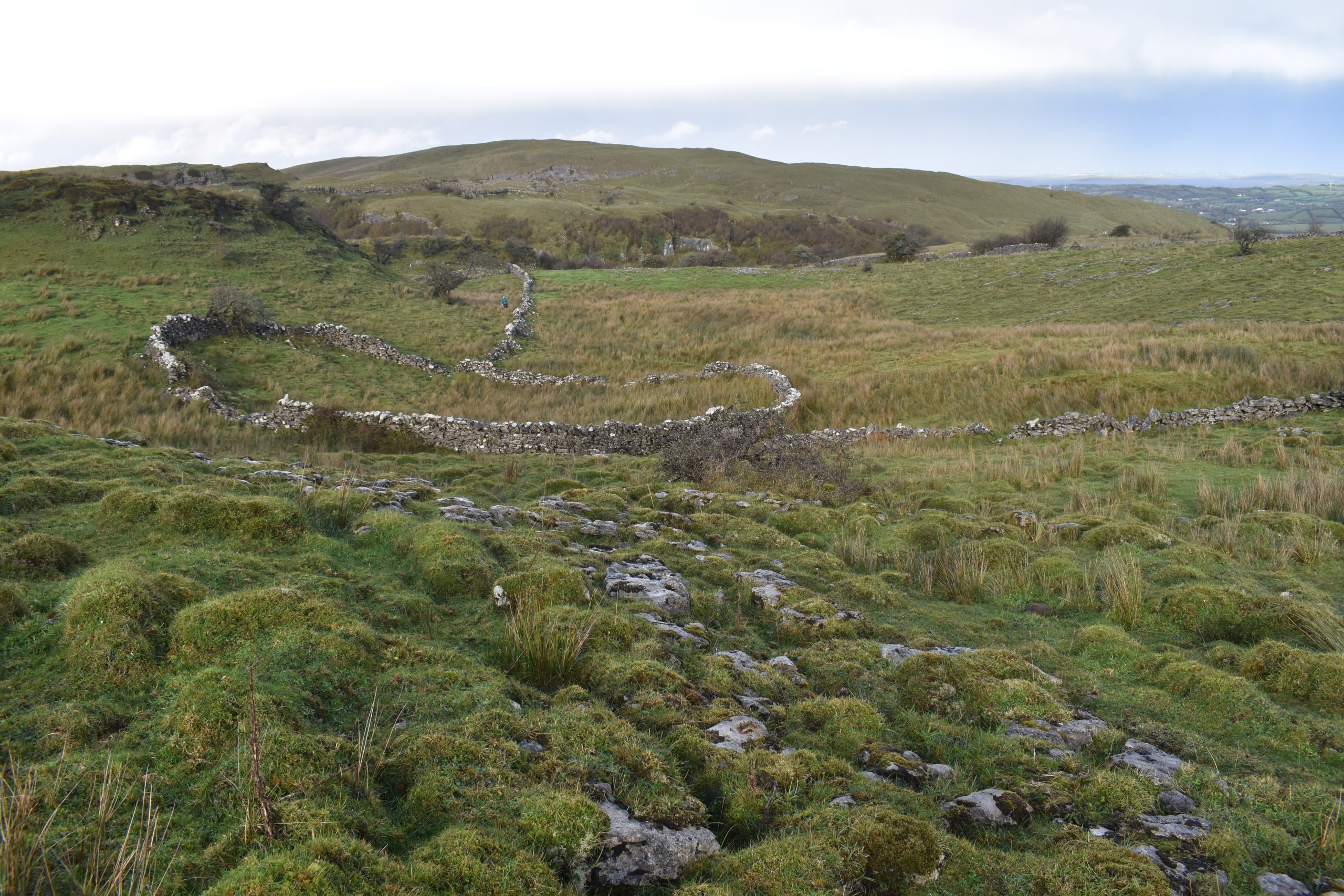
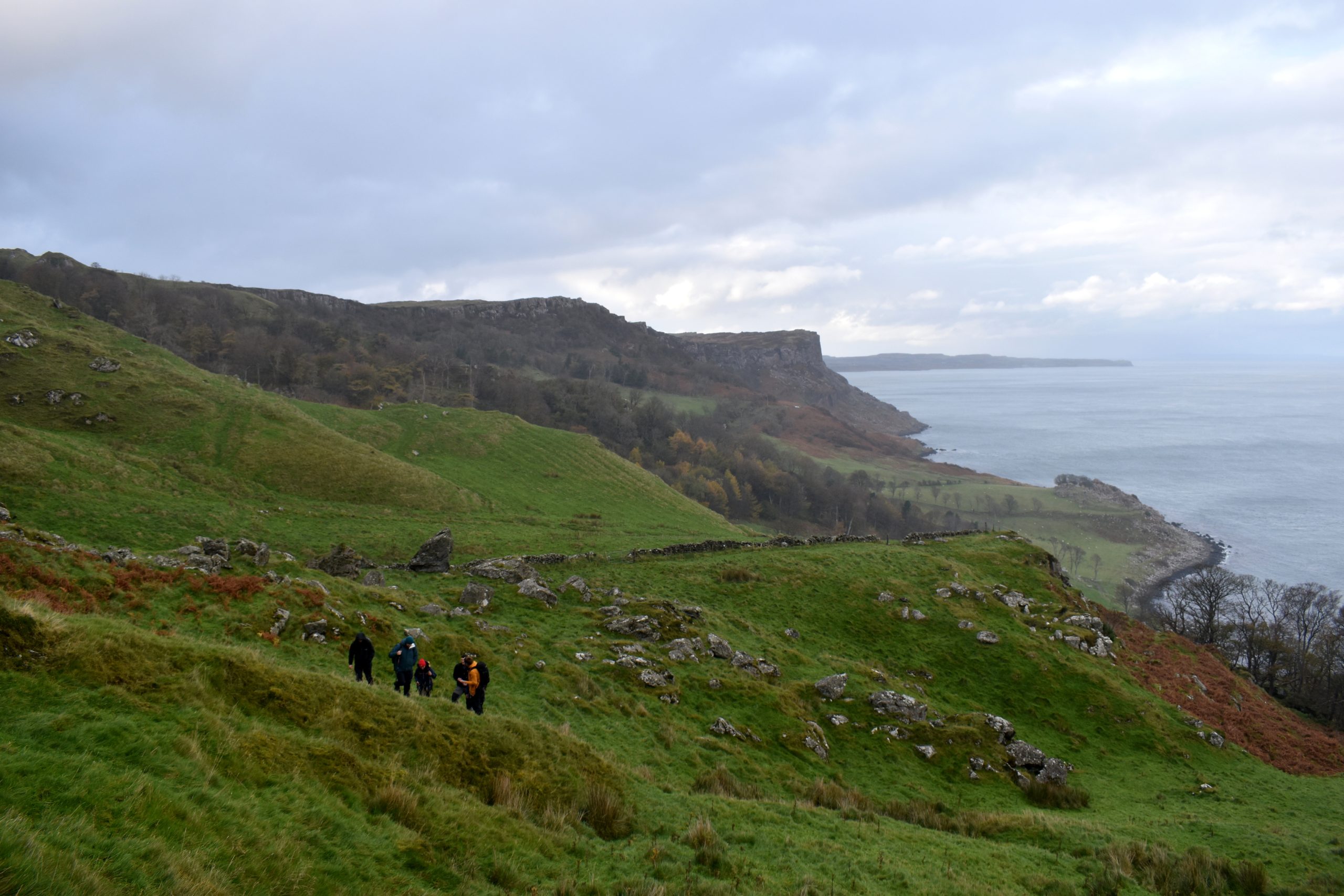
Fair Head and Murlough Bay ASSI, Antrim
An exceptional site with steep slopes under the basalt and chalk cliffs. Largely National Trust owned.
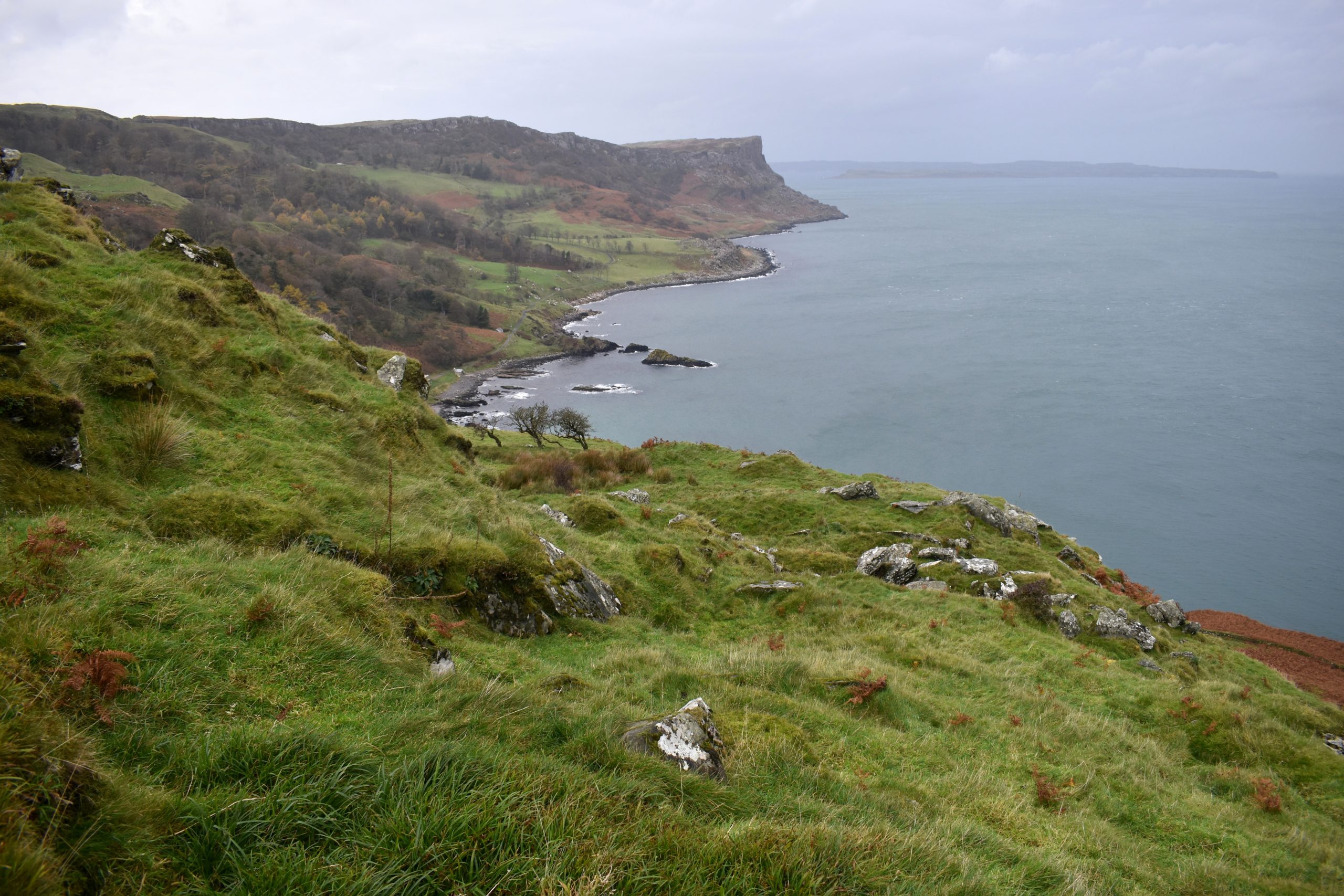
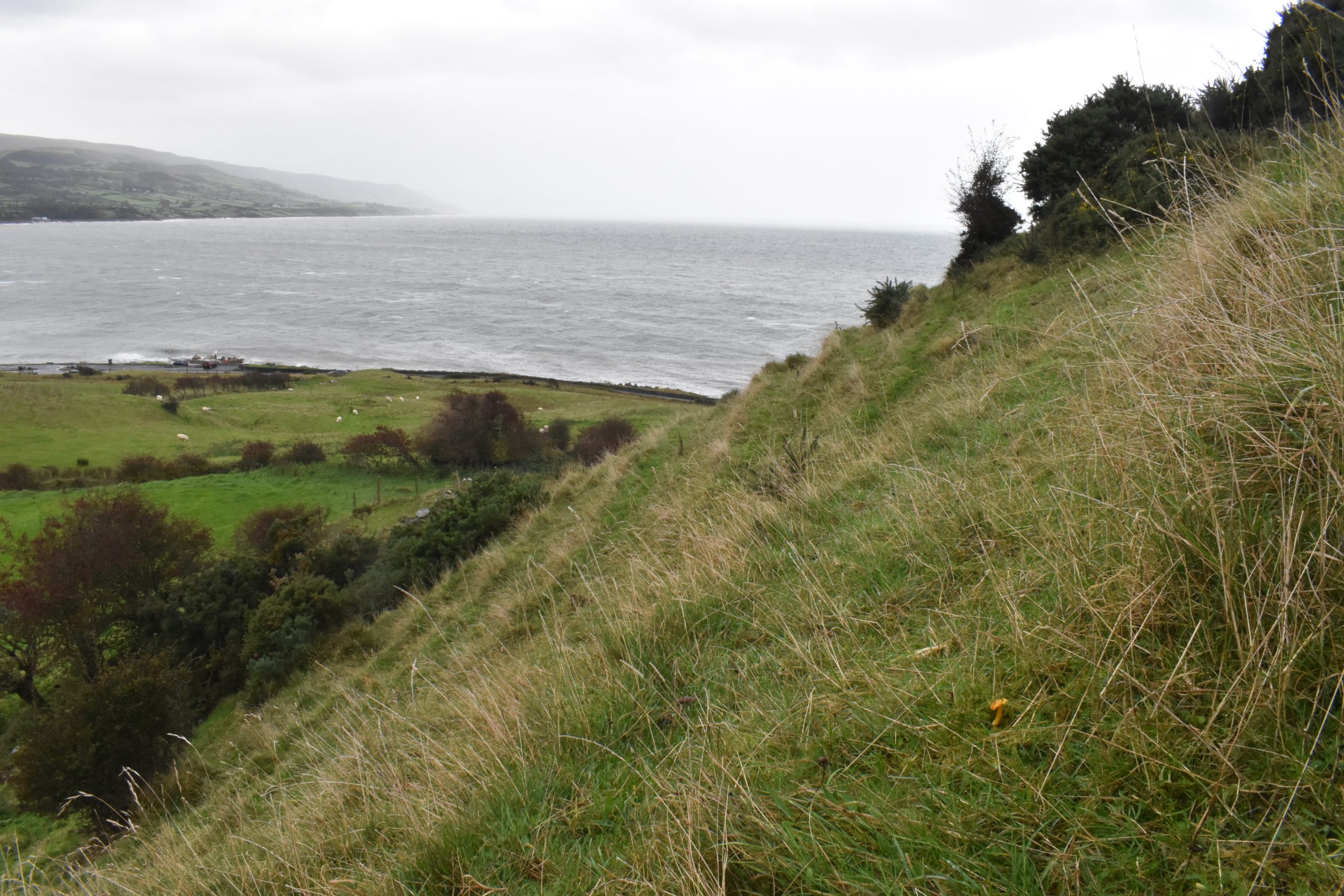
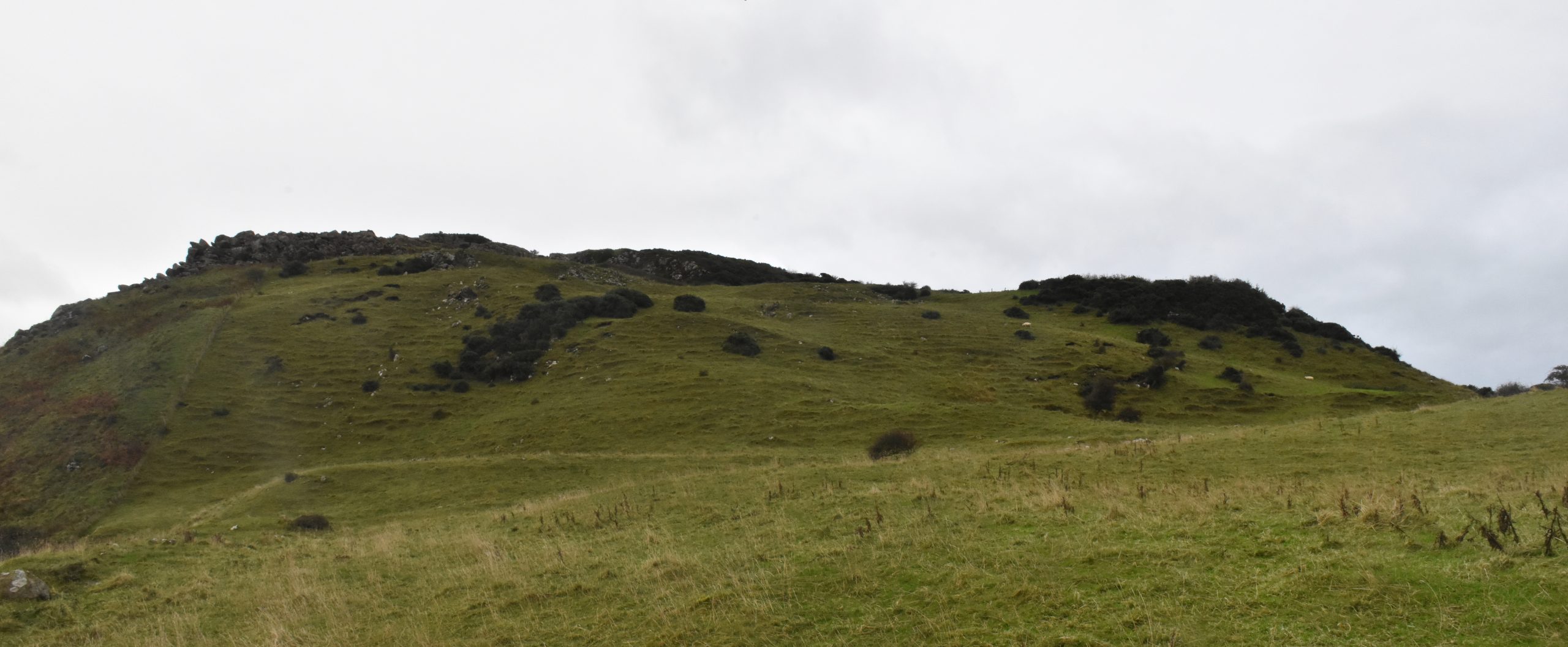
Ballygalley Head ASSI, Antrim
A very small, very steep privately owned site with some very interesting species recorded. Sheep grazed.
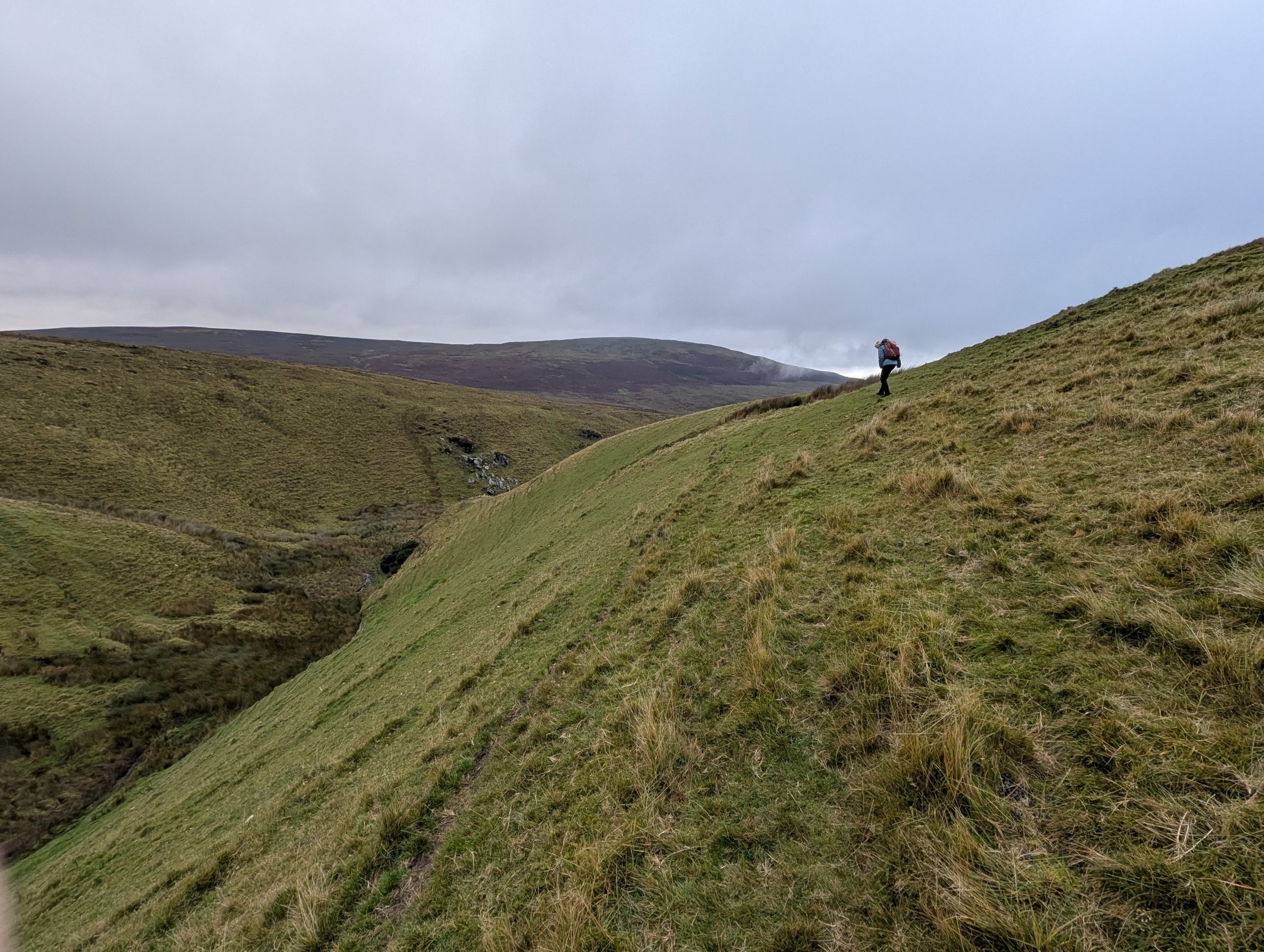
Cushleake Mountain, Antrim
Owned by the National Trust, this has difficult access. The site is largely blanket bog with little grassland fungi interest but the very steep slopes around Sluggan Burn are very rich.
Gortnagory, Antrim
The ASSI is a tiny site designated for the Irish Lady’s Tresses orchid but the fungi interest is larger than the ASSI. It is a familiar tale for Antrim with the basaltic soils giving an intricate of soil pH.
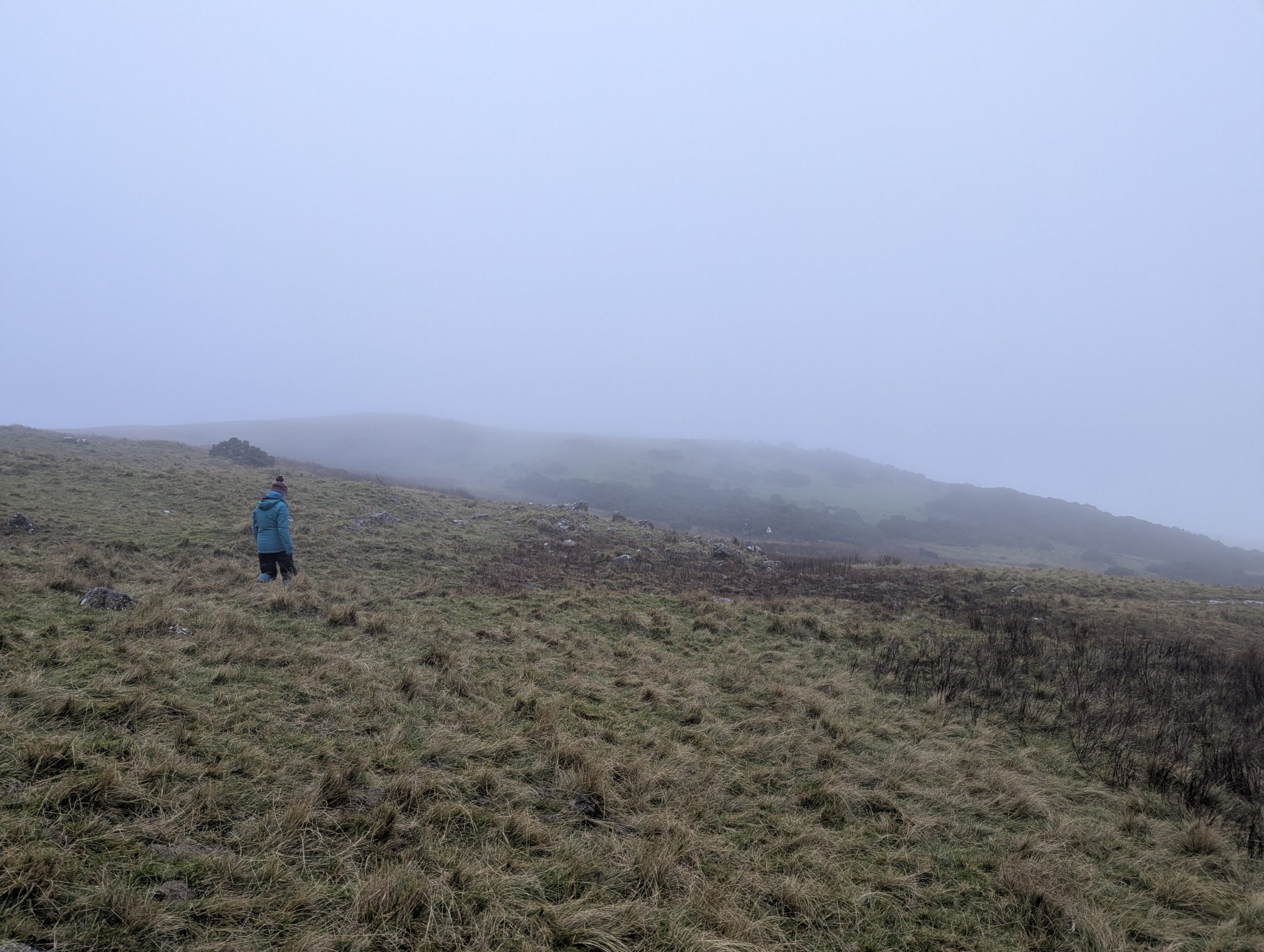
Brookfield, Marlbank, Fermanagh
Calcareous grassland with steep reef knolls. Grazed by cattle and sheep, this is one of the hotspots on the Marlbank.
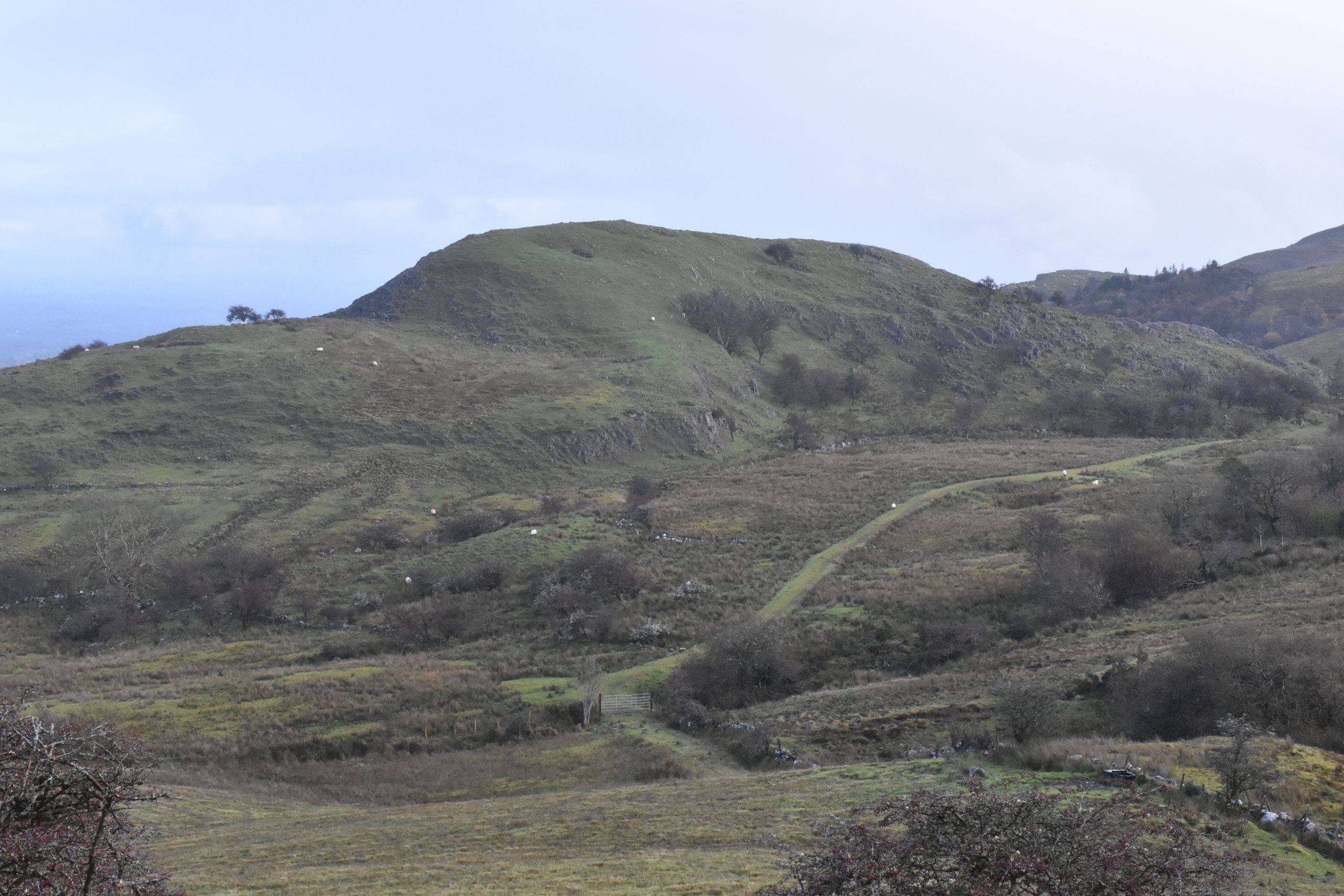
Rathlin Island: Roonivoolin RSPB reserve
A wonderful area of sheep and cattle grazed grassland on the southern limb of Rathlin Island
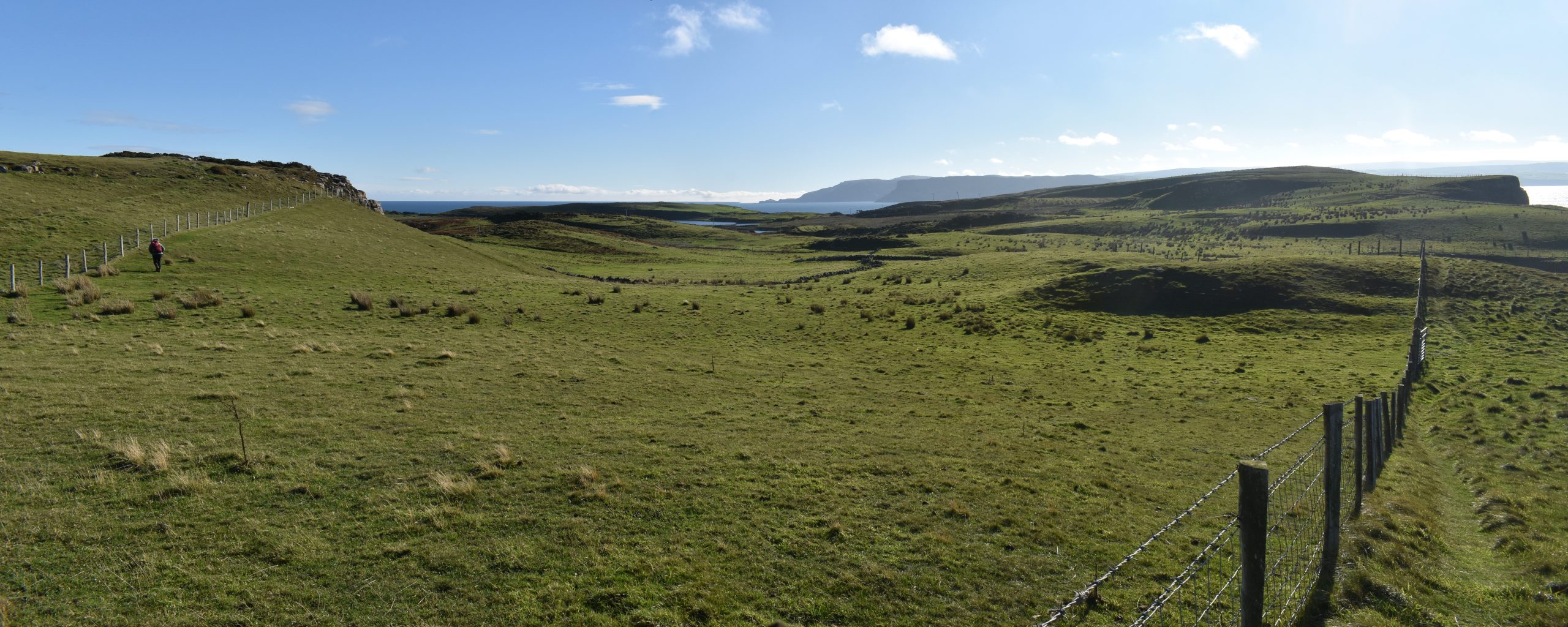
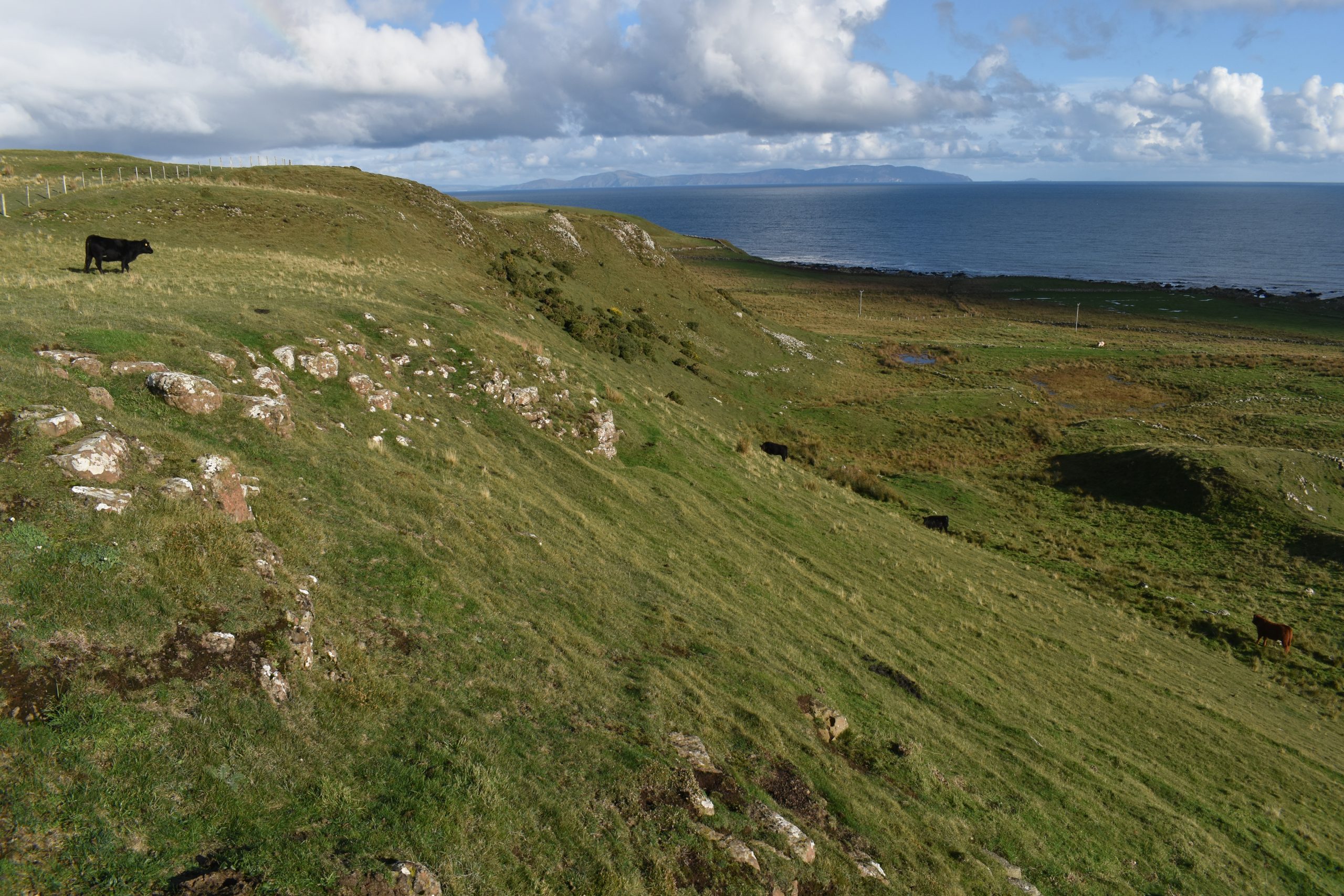
Achill Island: Keem Bay
The rich slopes around Keem Bay on the western edge of the island out to Achill Head
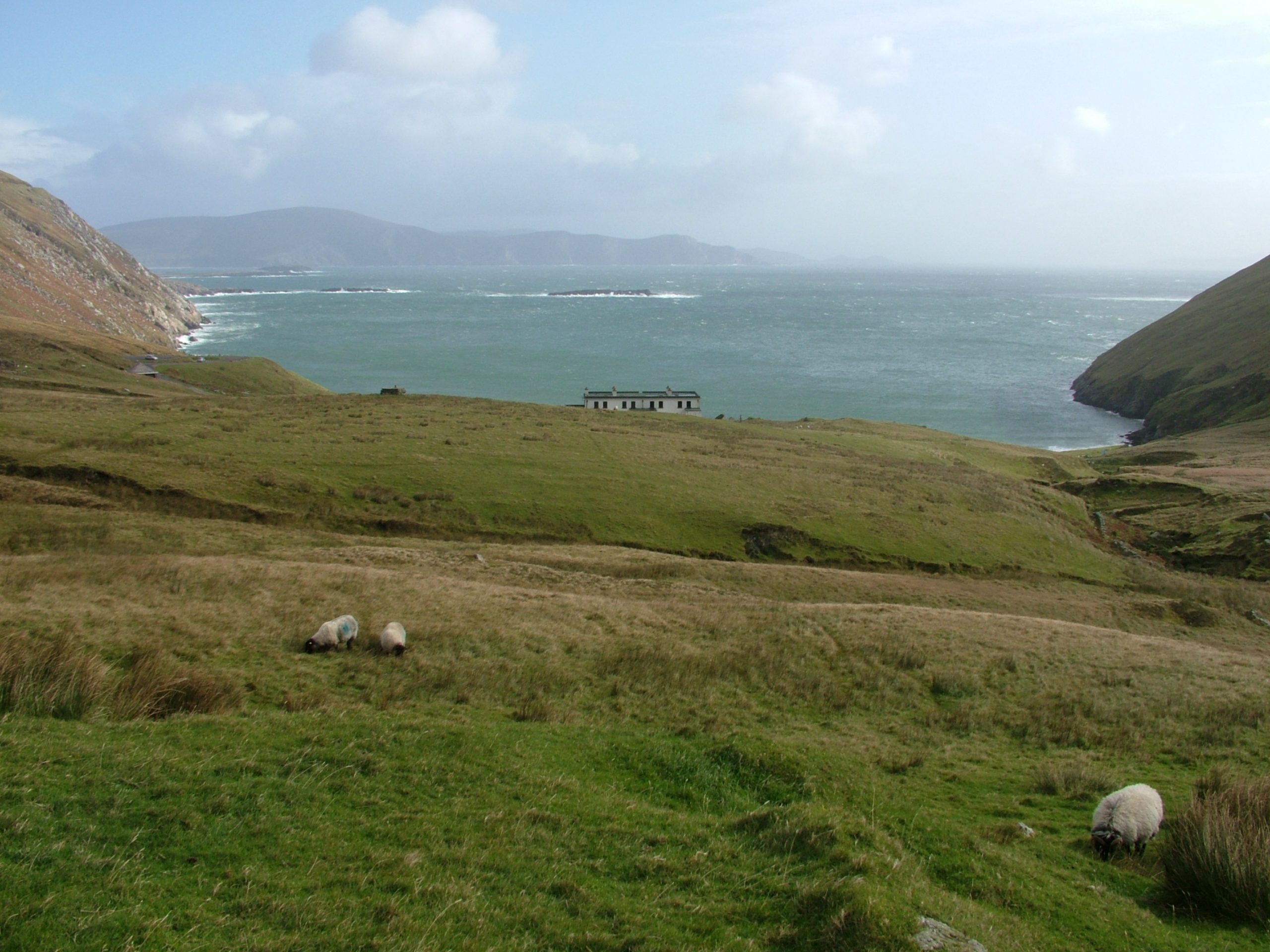
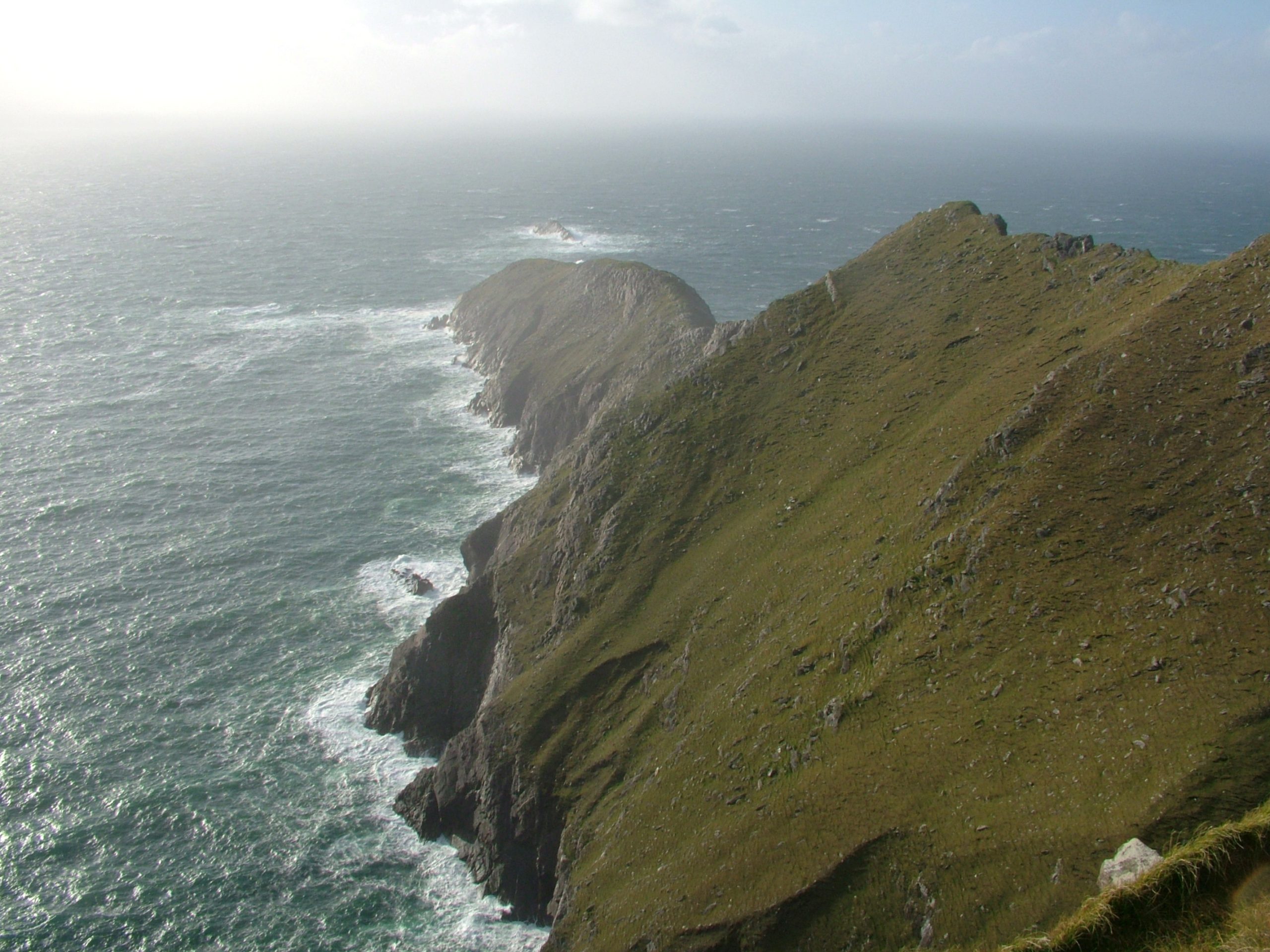
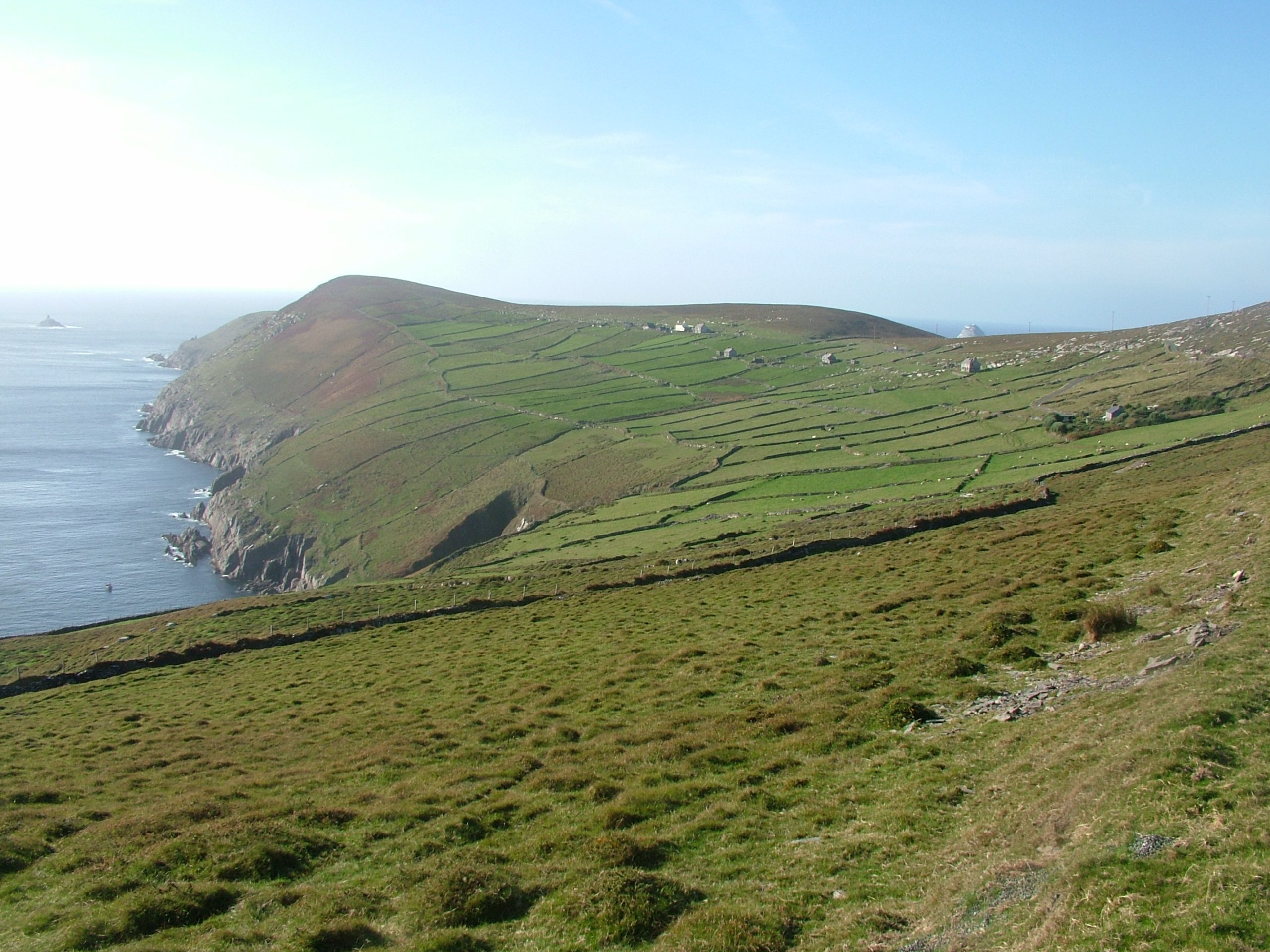
Dursey Island, West Cork
A beautiful island with low intensity farming along the coast and with closely grazed coastal turf. Access via Ireland’s only cable car.
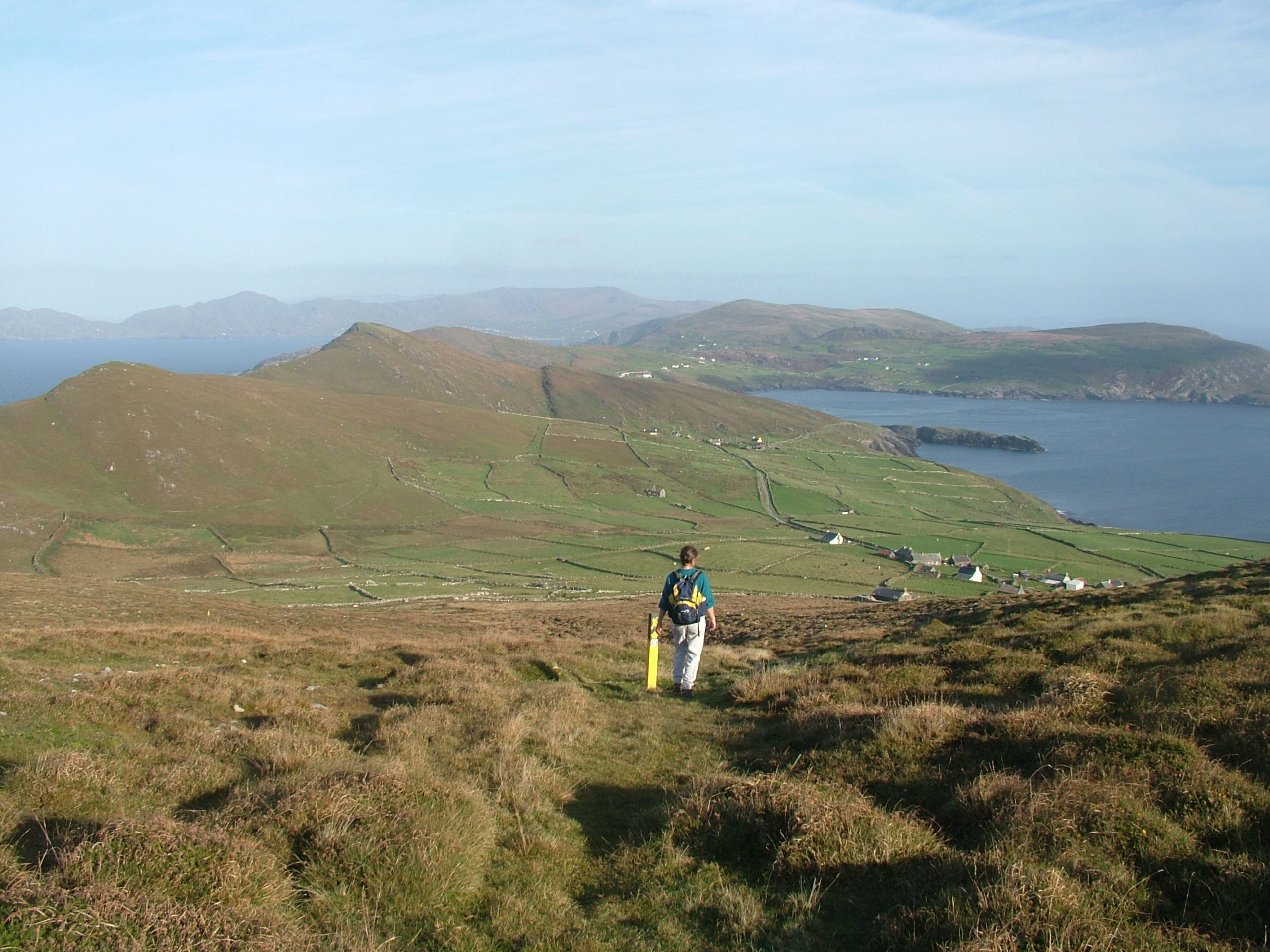
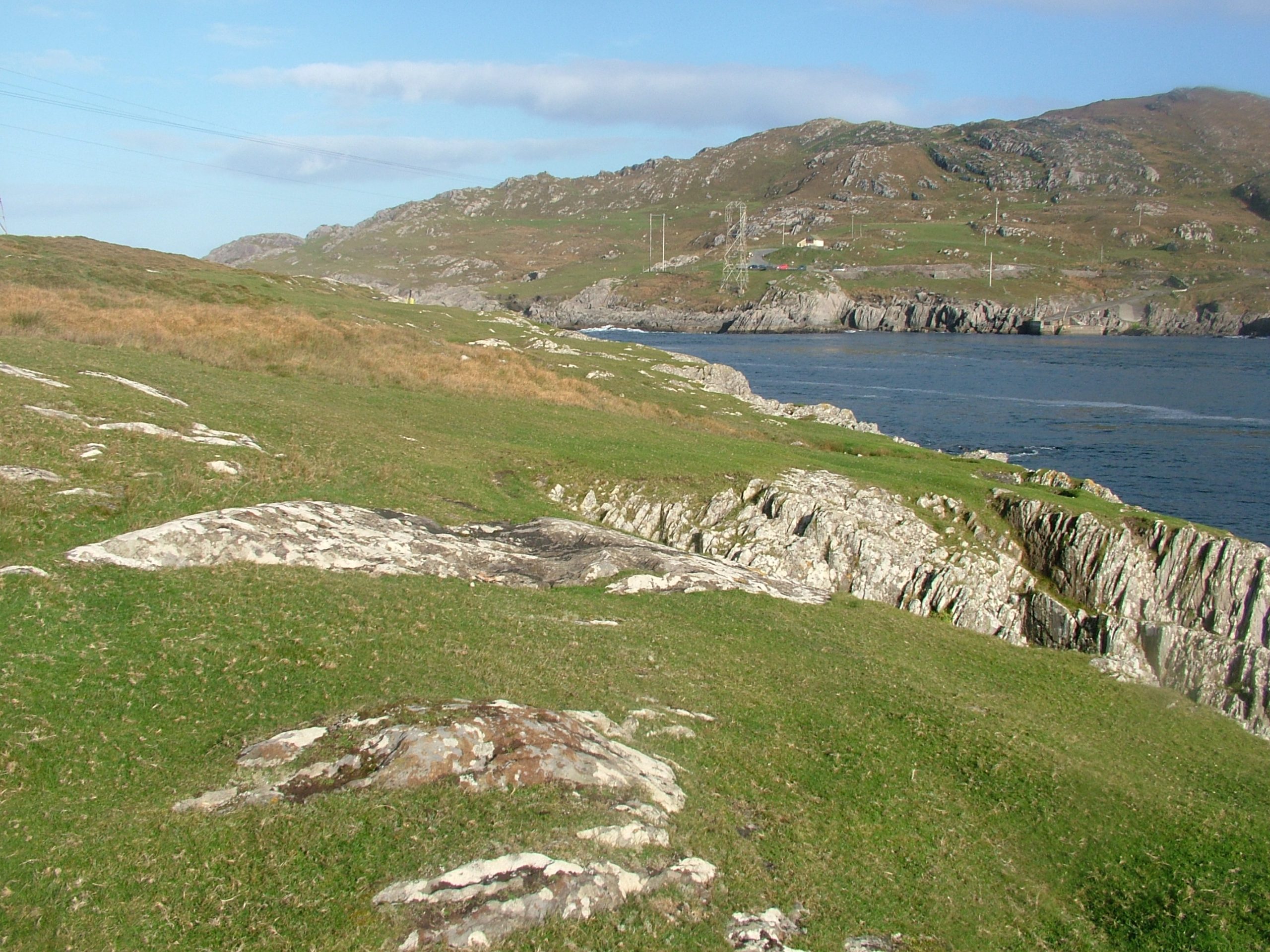
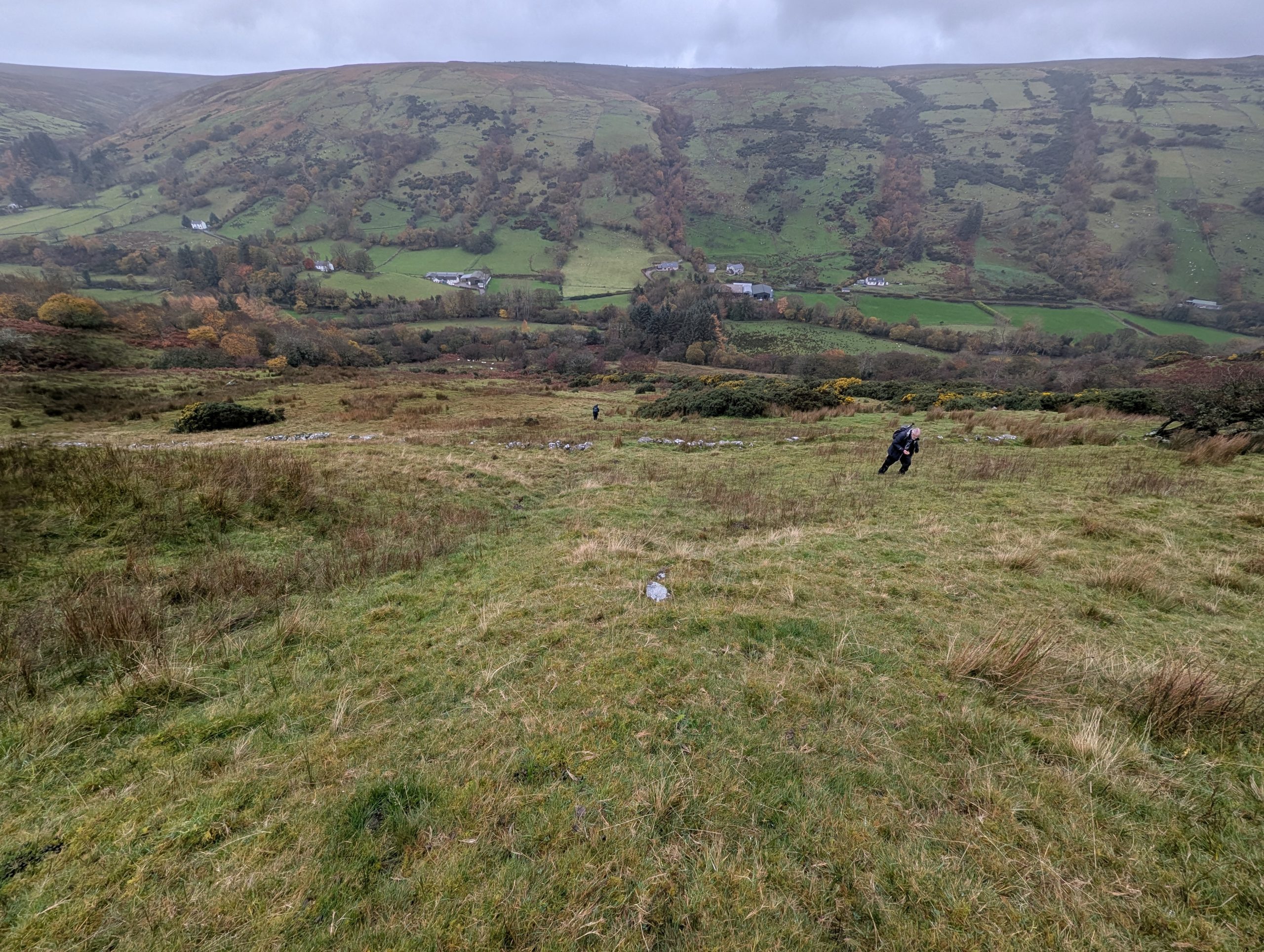
Glendun Hill Farm, Antrim
The steep slopes of one particular hill farm in Glendun managed by the Ulster Wildlife Trust. The whole valley could be of considerable interest.
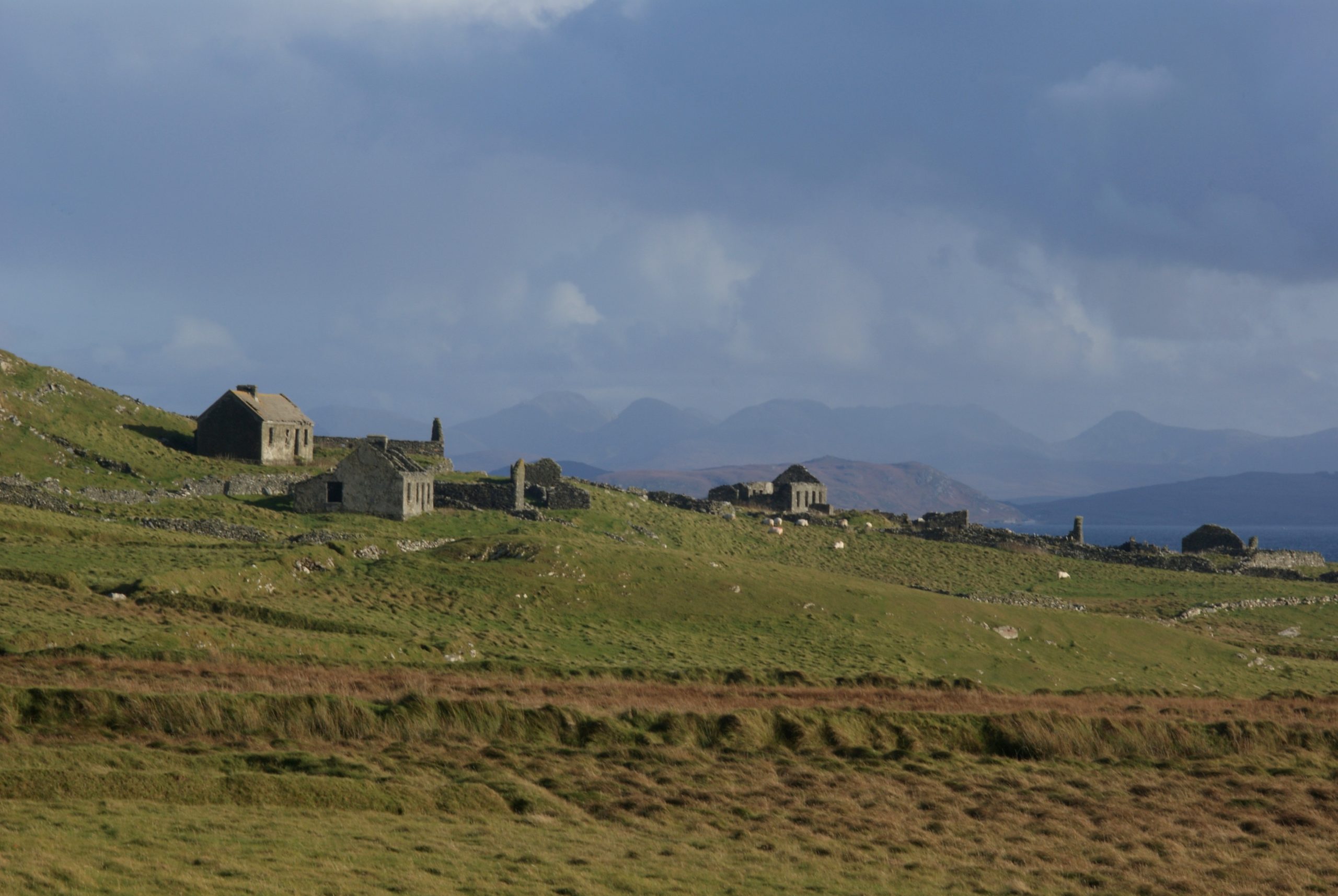
Inishark, West Galway
This island was abandoned in the 1960’s and is now just sheep grazed. Access is very difficult and once we waded through the seal pups, (there were more than 80 on the pier, on the main road of the village, in the fields etc), the fruiting was excellent. Steep sea cliffs on the western side.
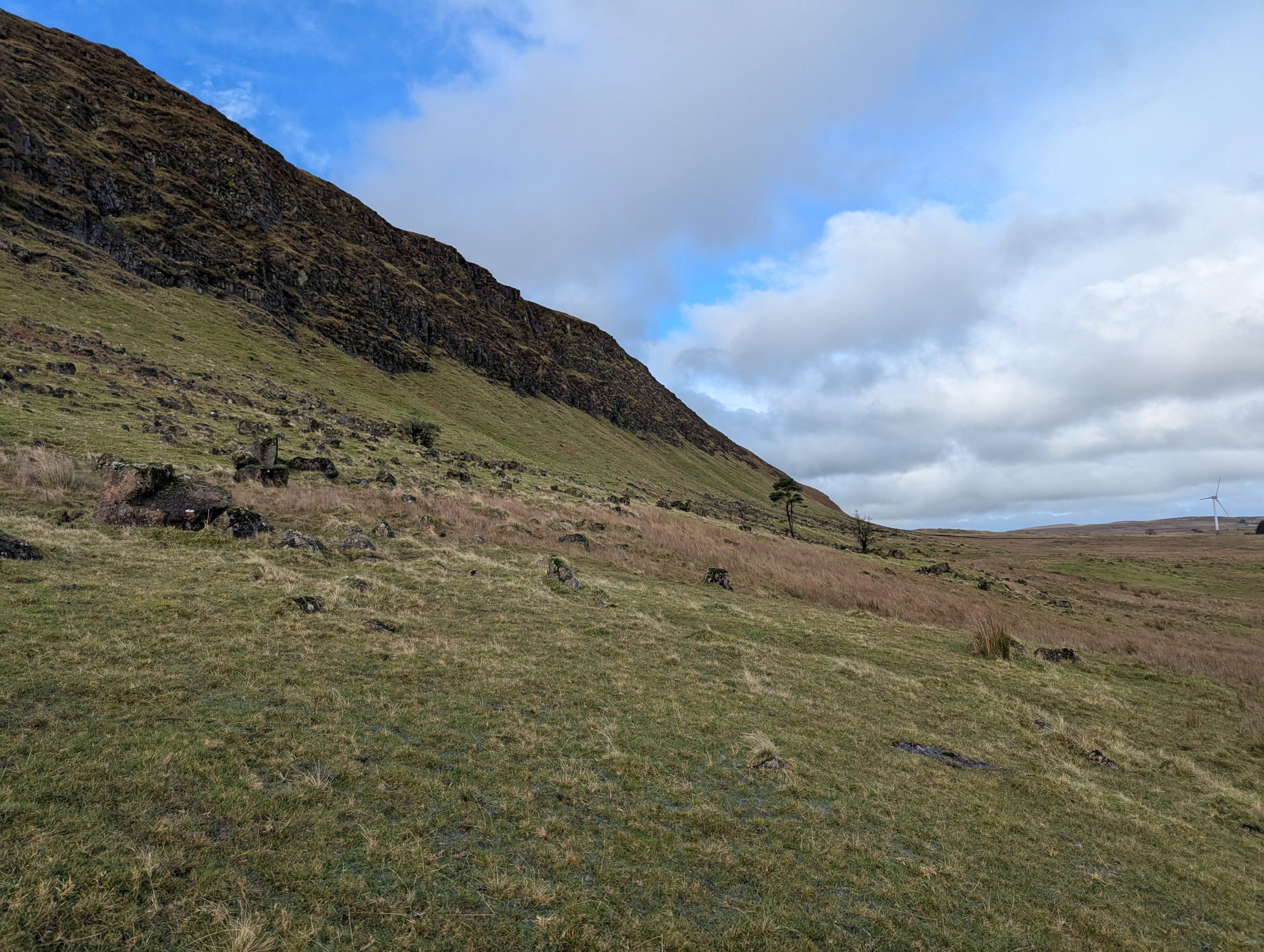
Agnew’s Hill, Antrim
More steep slopes under basalt cliffs. Privately owned.
Arran More: West Donegal
The fields at the south west of the island past the end of the road and the western sea cliffs are the best areas found on the island
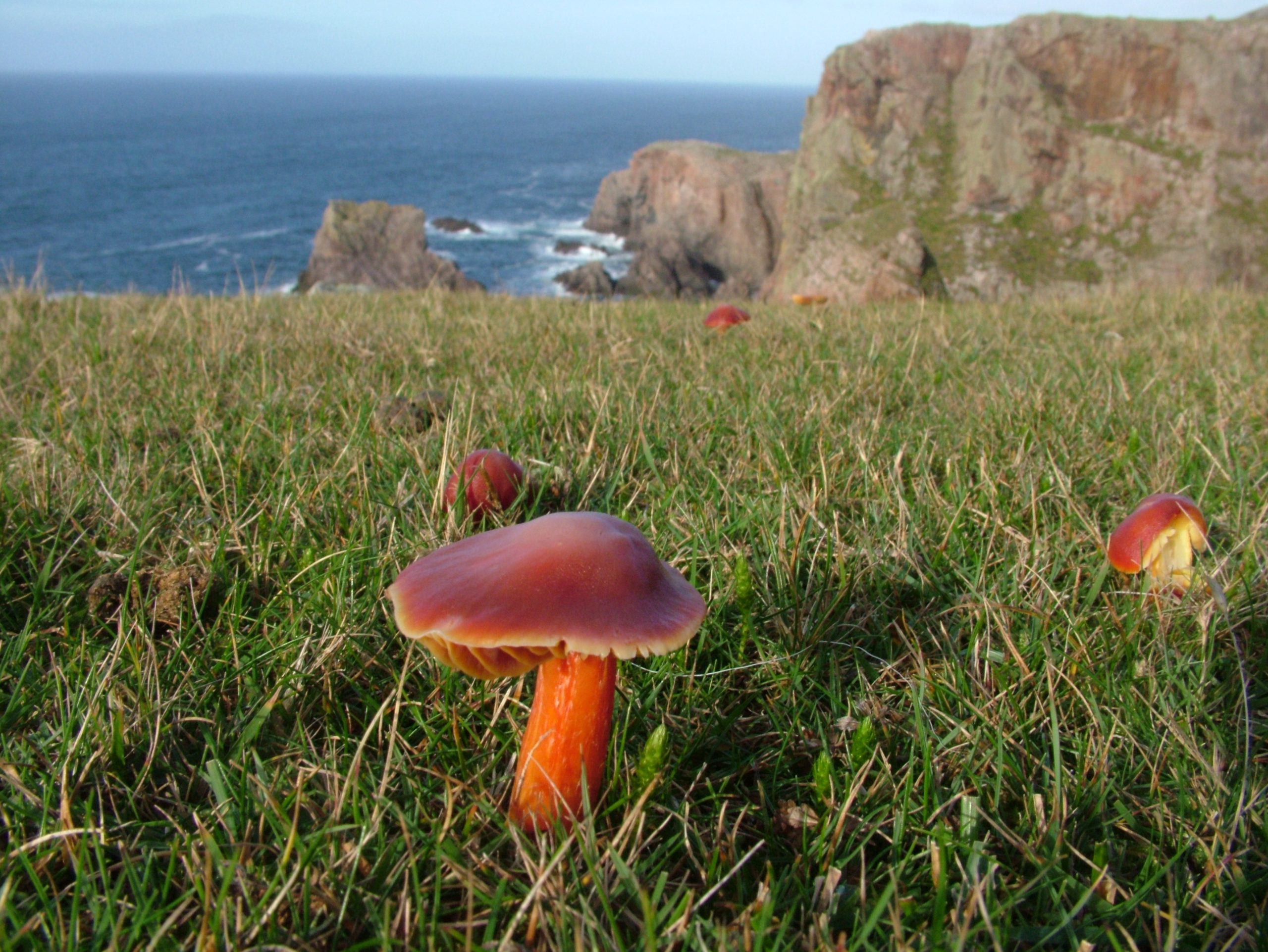
Divis Mountain: Fraser’s Farm
In the Belfast Hills, this area has been recently purchased by the National Trust and is proving to be a rich hunting ground
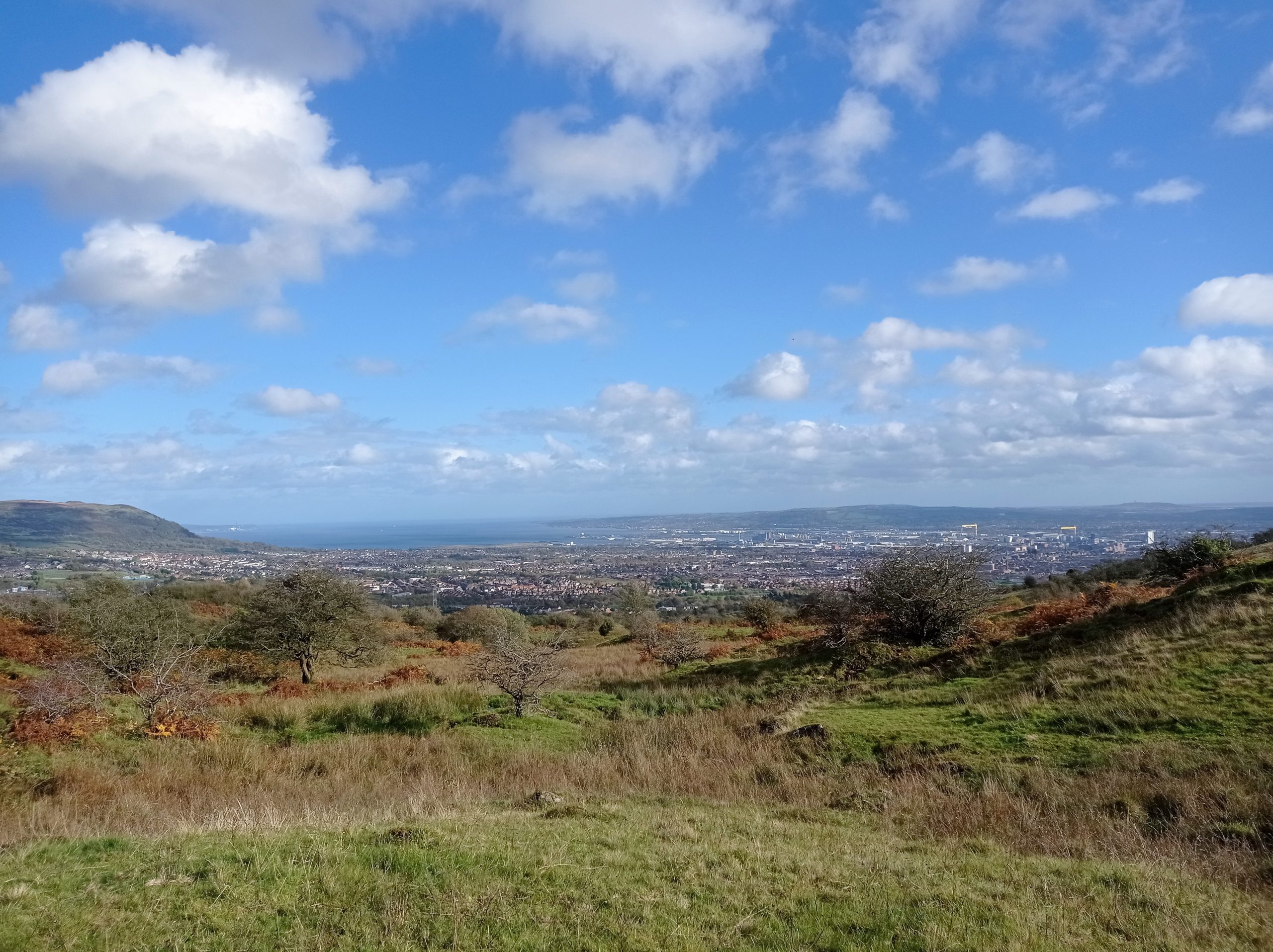
Linford Barrows Earth Rings and Ballycoos Hill, Antrim
These two sites are directly adjacent on either side of the road up to the Knockdhu car park. Outside the Knockdhu ASSI, they are really the extension of a very large continuous site out to Scawt Hill. Linford Barrows Earth Rings is on the Knockdhu side of the road and Ballycoos Hill on the Scawt Hill side.
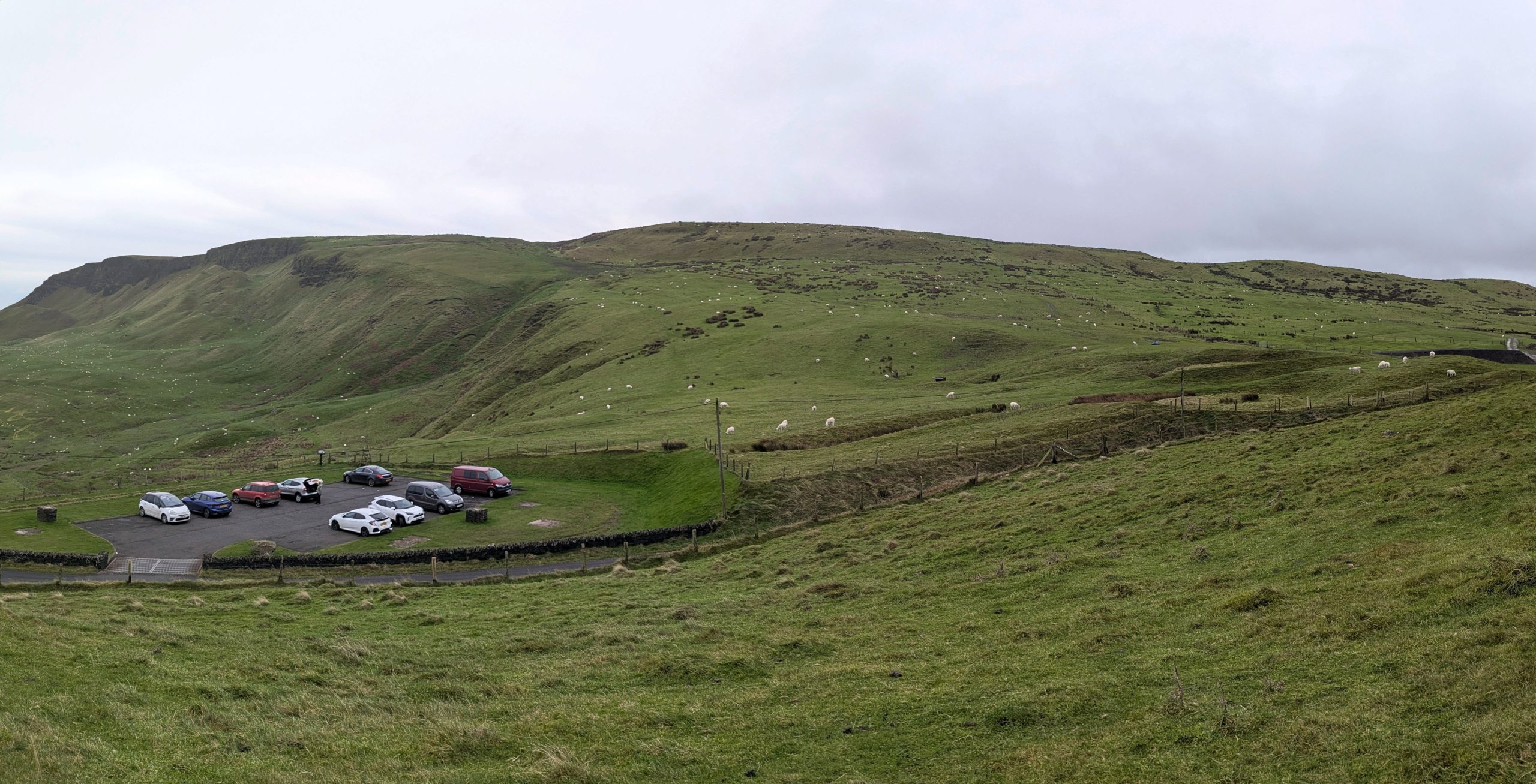
Gortmaconnell Rock, Marlbank, Fermanagh
Another of the Marlbank hotspots, Gortmaconnell Rock is very steeply sided especially on the eastern side. The lower knoll to the south is also of interest.
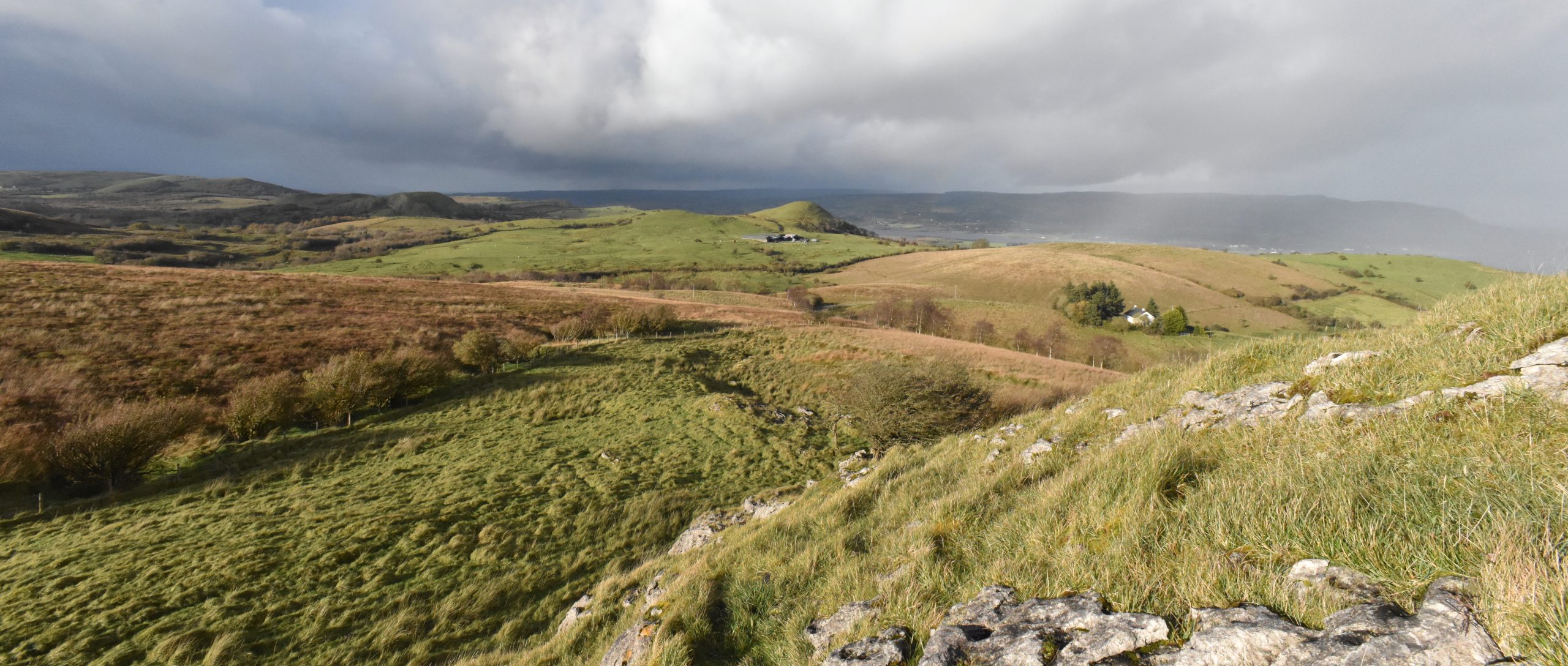
Other sites of interest
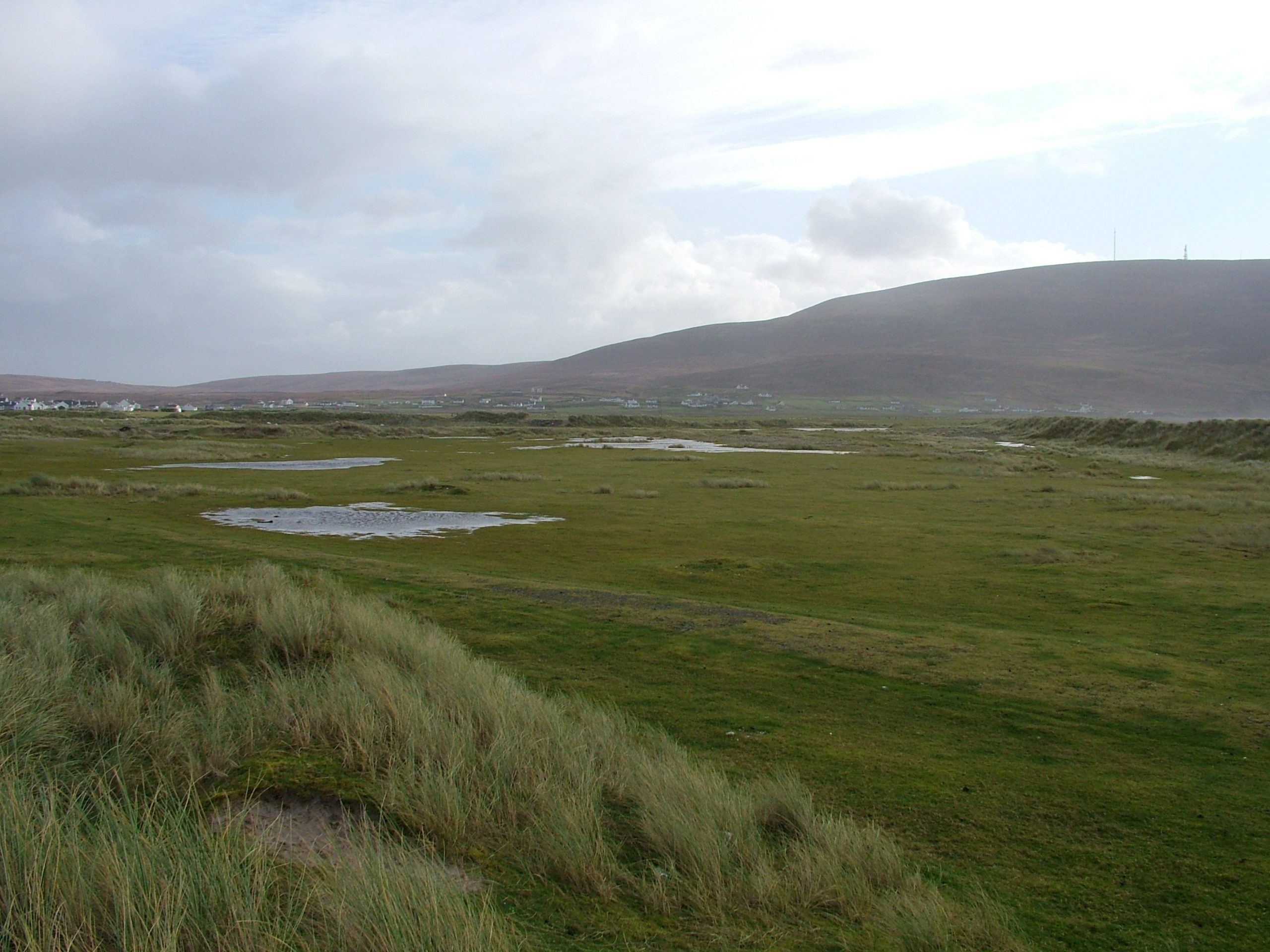
Achill Island: Keel Machair, West Mayo
The machair at Keel has good numbers of older records but was a bit flooded on the last visit meaning less species were found.
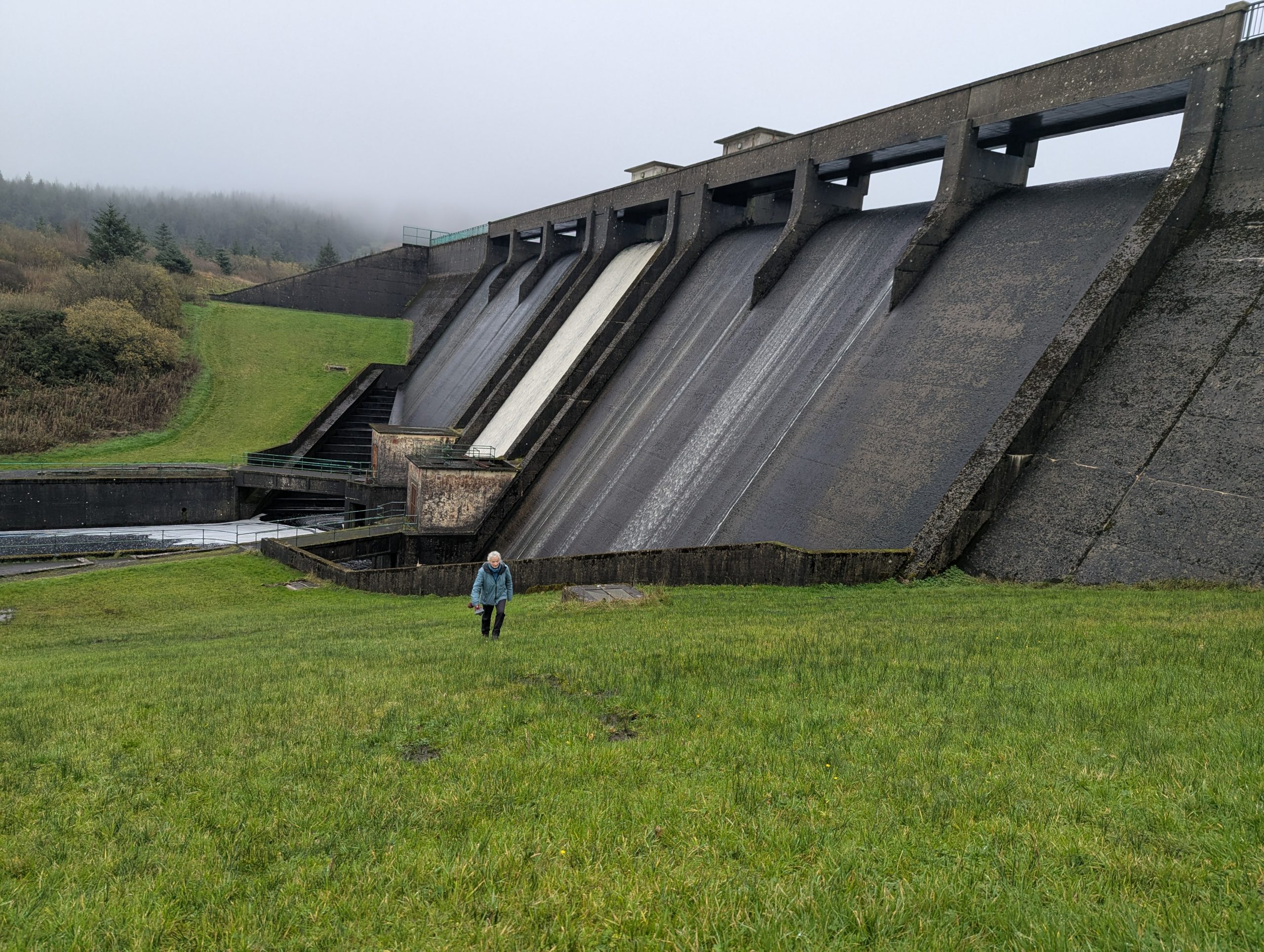
Altnahinch Dam, Antrim
The dam walls supported reasonable numbers of species. Dam walls are always looking at and can be made of rock transported in from elsewhere so can have quite a different soil pH to the surrounding geology. The fields alongside the burn to the north below the dam have been good before (a site for Dissoderma paradoxum) but river levels prevented access to that area on the last visit.
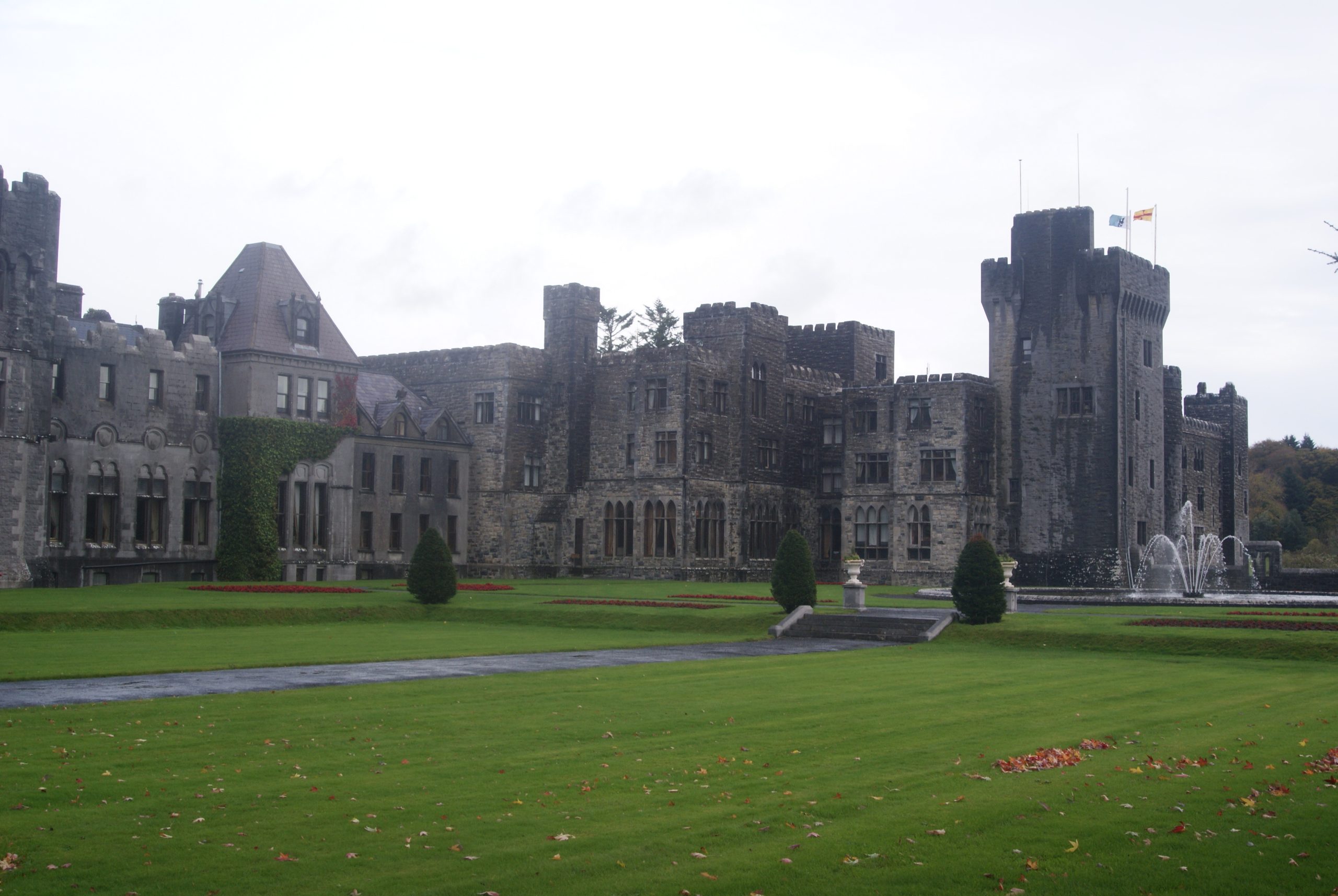
Ashford Castle, West Galway
An example of an interesting estate lawn around the castle.
Bantry House, West Cork
An extremely rich estate lawn. Tiny in size but full of grassland fungi.
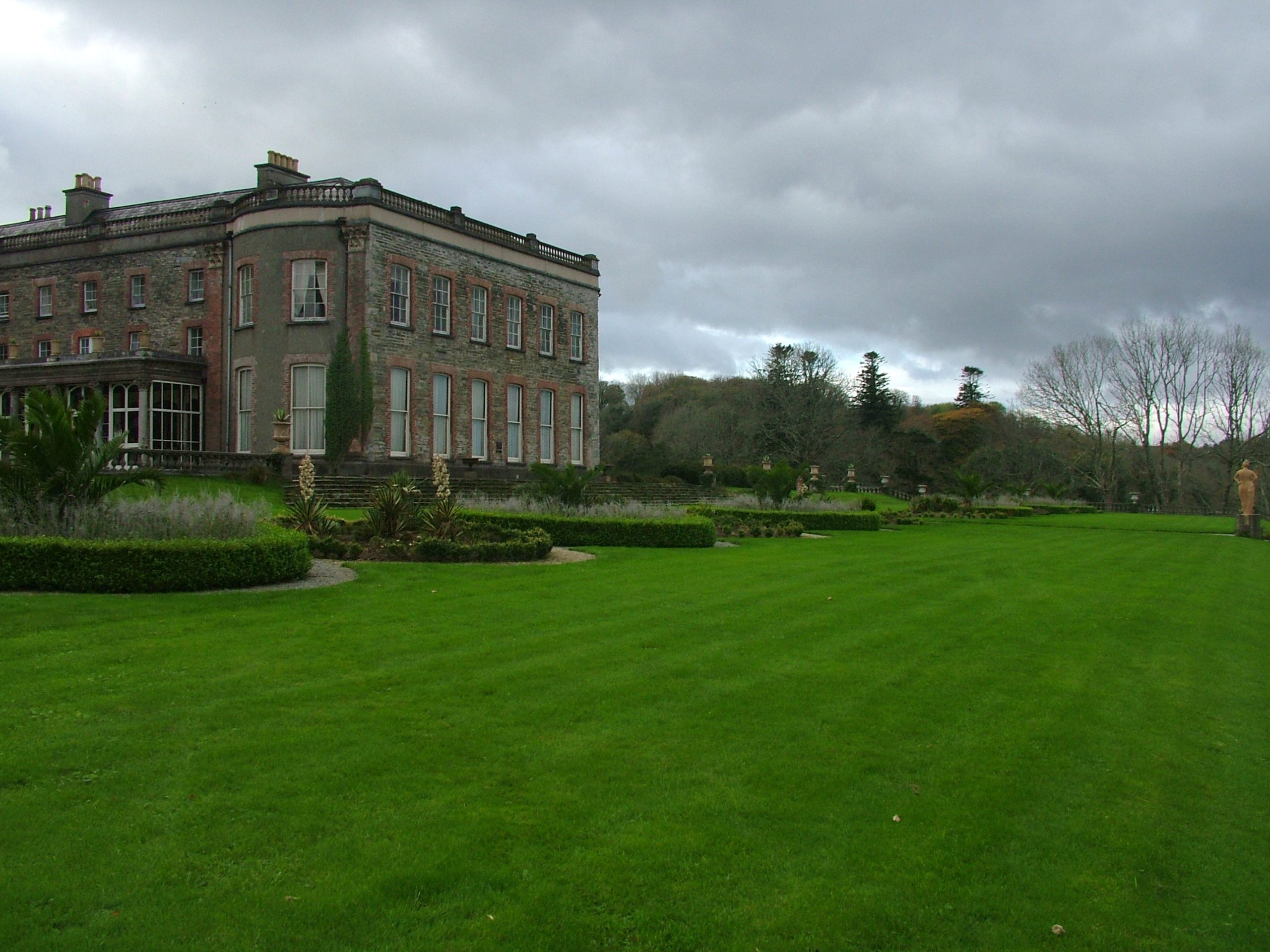
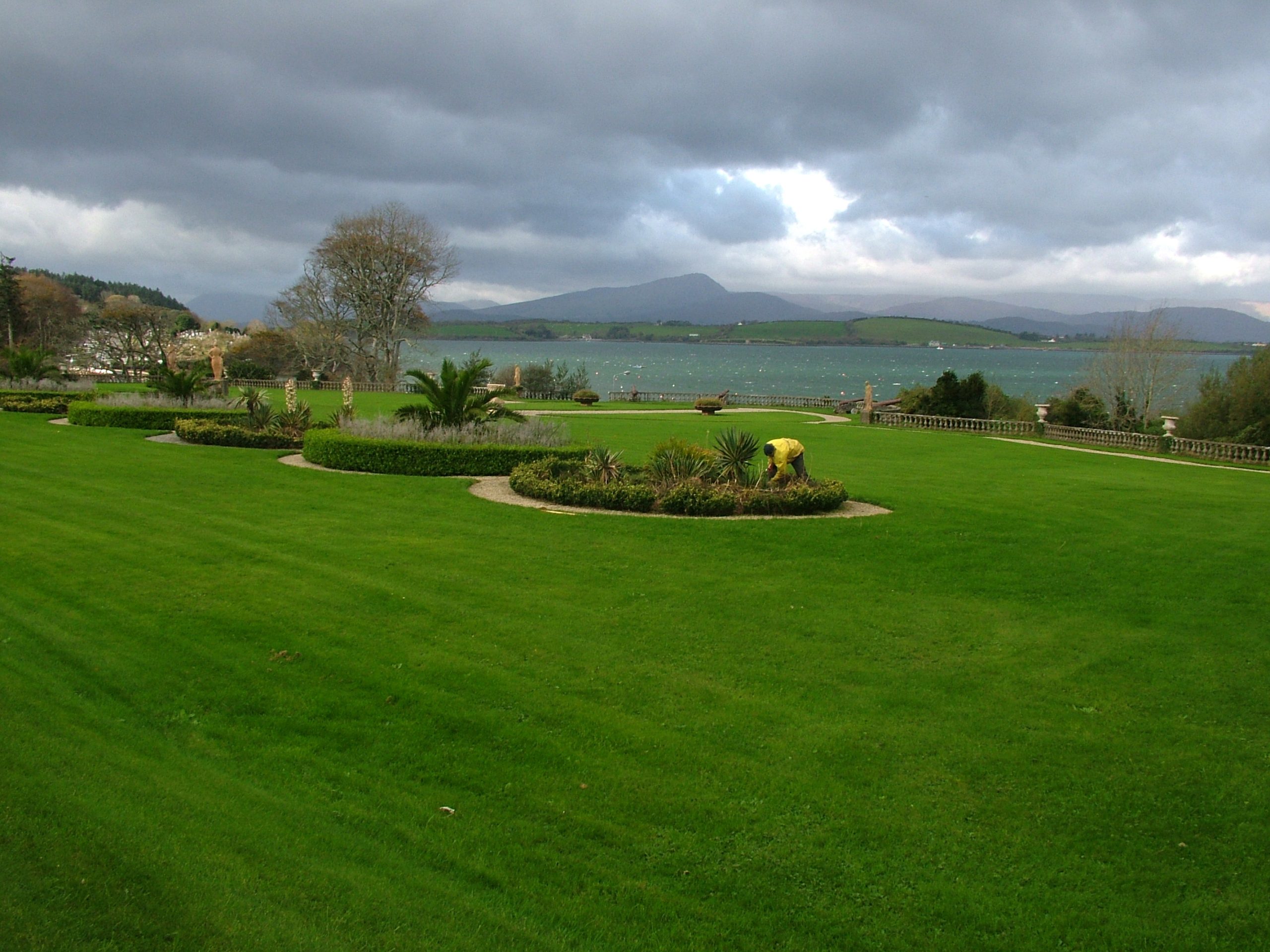
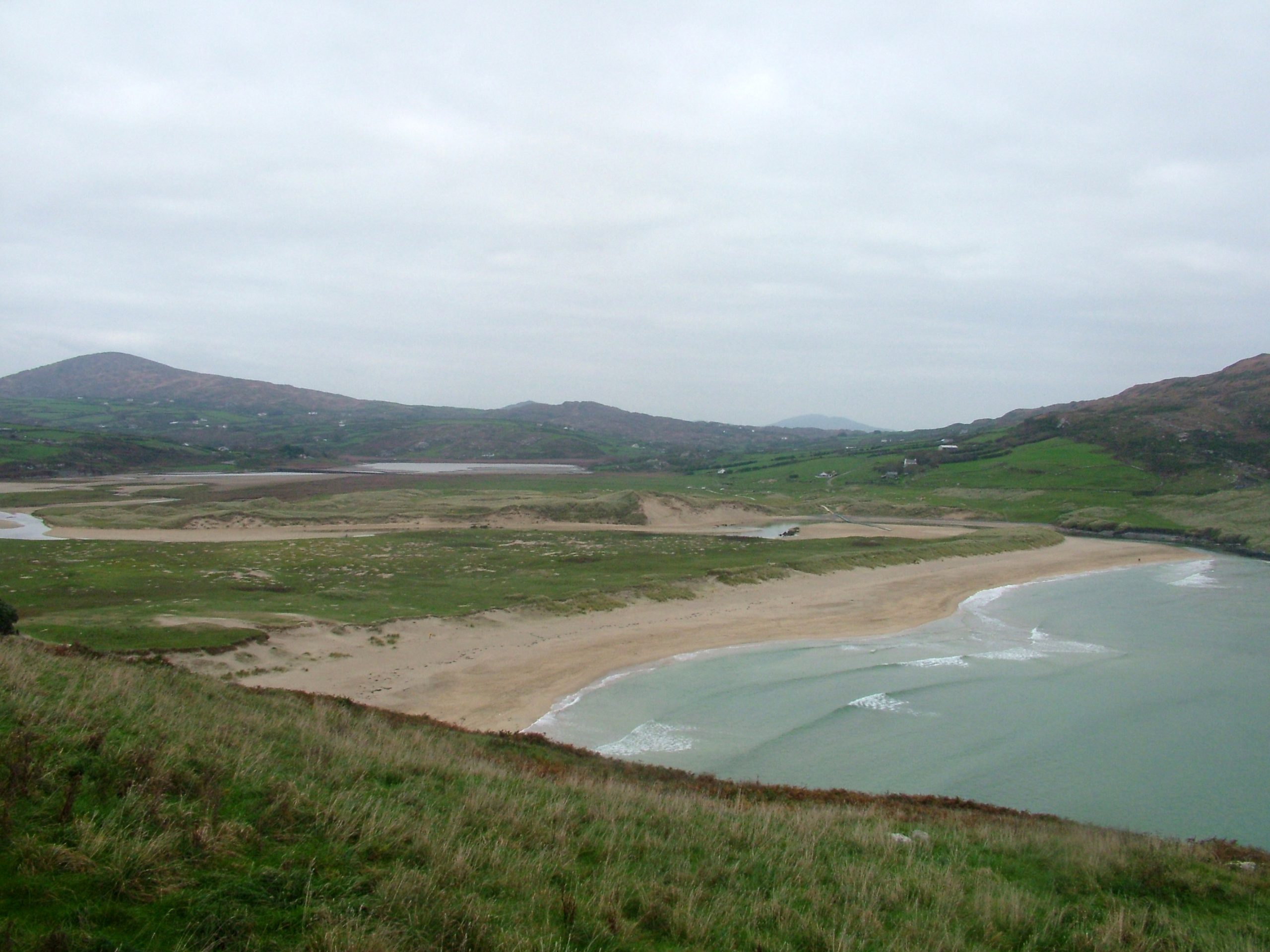
Barley Cove, West Cork
Sand dune sites in Ireland have been a bit disappointing. In GB, there are some excellent dune sites but here they seem to be dominated by a few species and not as diverse.
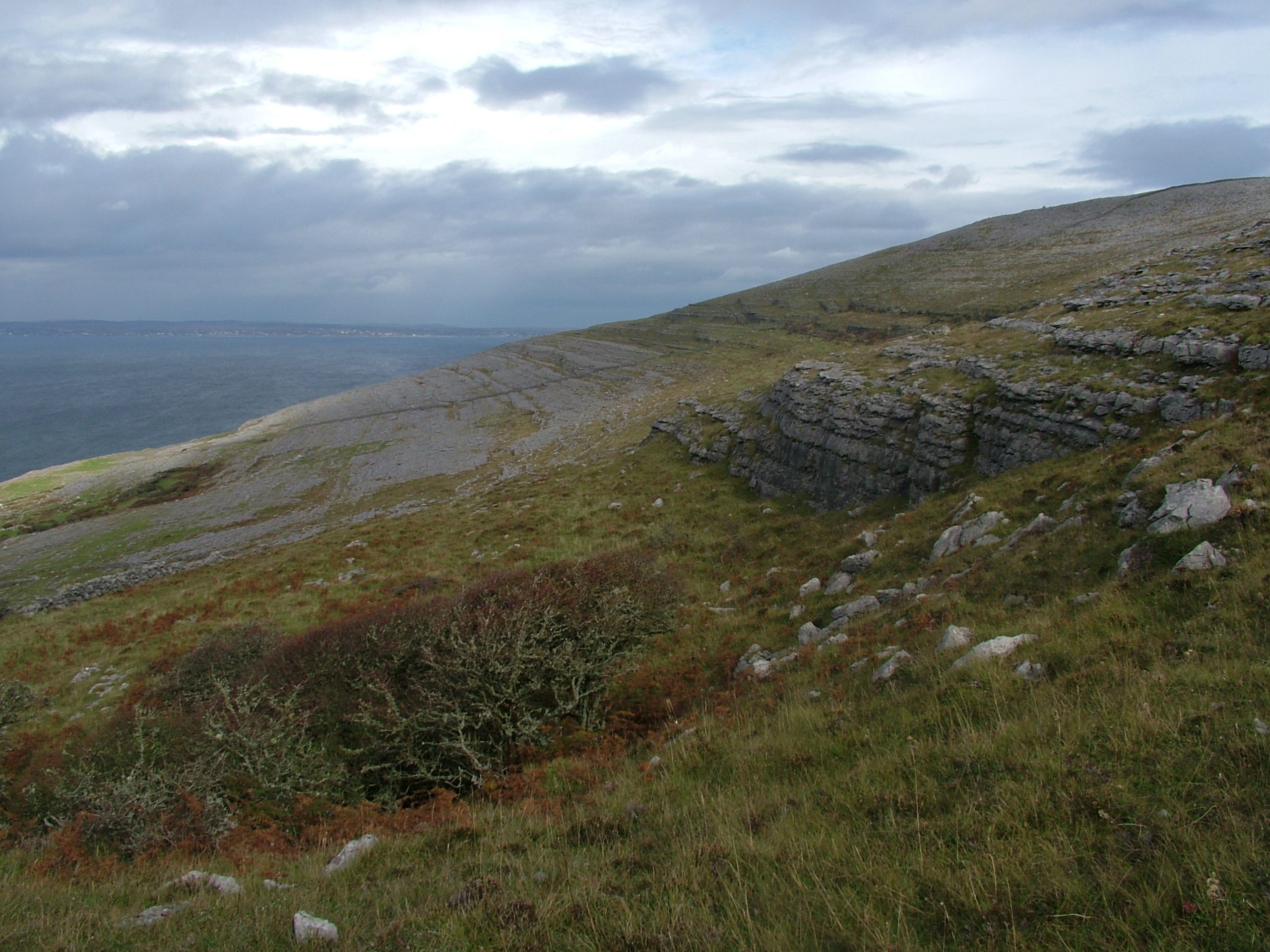
Black Head, The Burren, Clare
The Burren is a truly incredible area of karst scenery and it was thought that grassland fungi would be very good here. It wasn’t easy finding good sites however but Black Head with its mixture of short turf coastal grassland and more upland karst was the best site found. 15 waxcaps found.
Cliffs of Moher, Clare
Grassland fungi were not as abundant in Clare as hoped and sometime the interest was restricted to the tiny area of grassland between the outside of the fences around the fields and the cliff edges with the Cliffs of Moher being the extreme example of this.
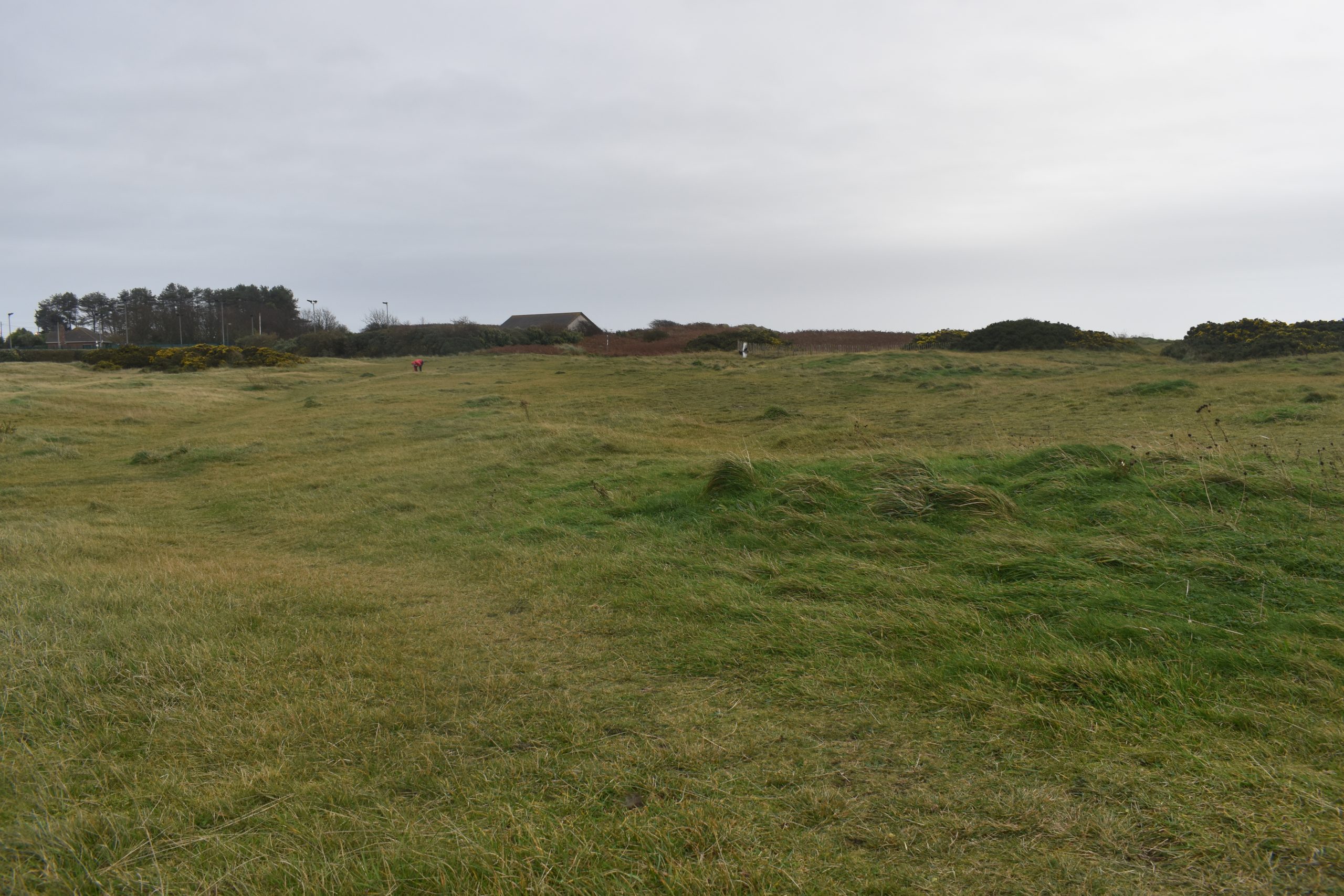
Cloughey Dunes, Down
A very small amenity site on the Ards Peninsula, heavily used but rich in earth tongues especially.
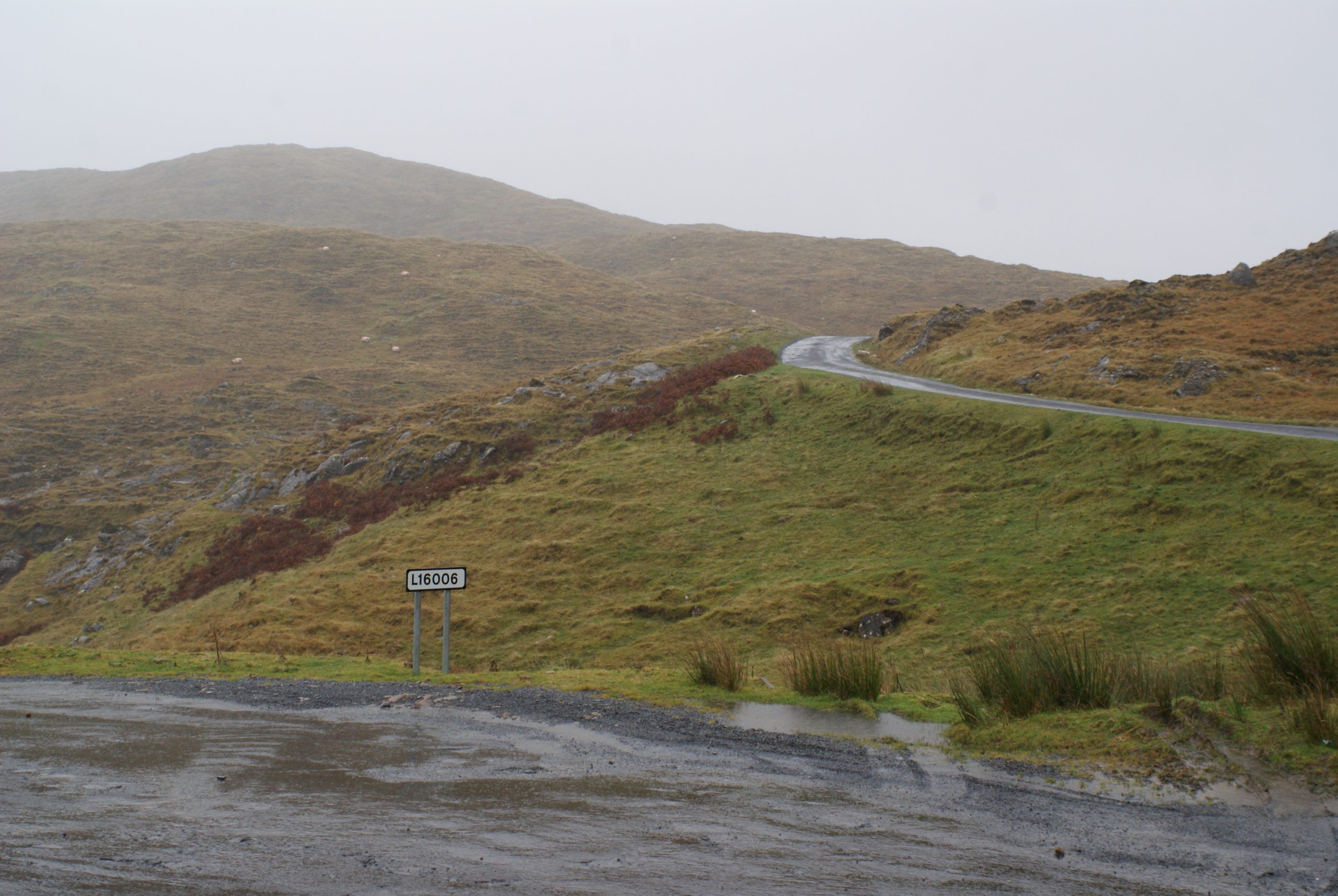
Cummer, West Galway
This illustrates one of the problems of finding sites in the uplands. This is a very wet boggy area but there were small patches of grassland mainly associated with the roadside edges and had 15 species of waxcap.
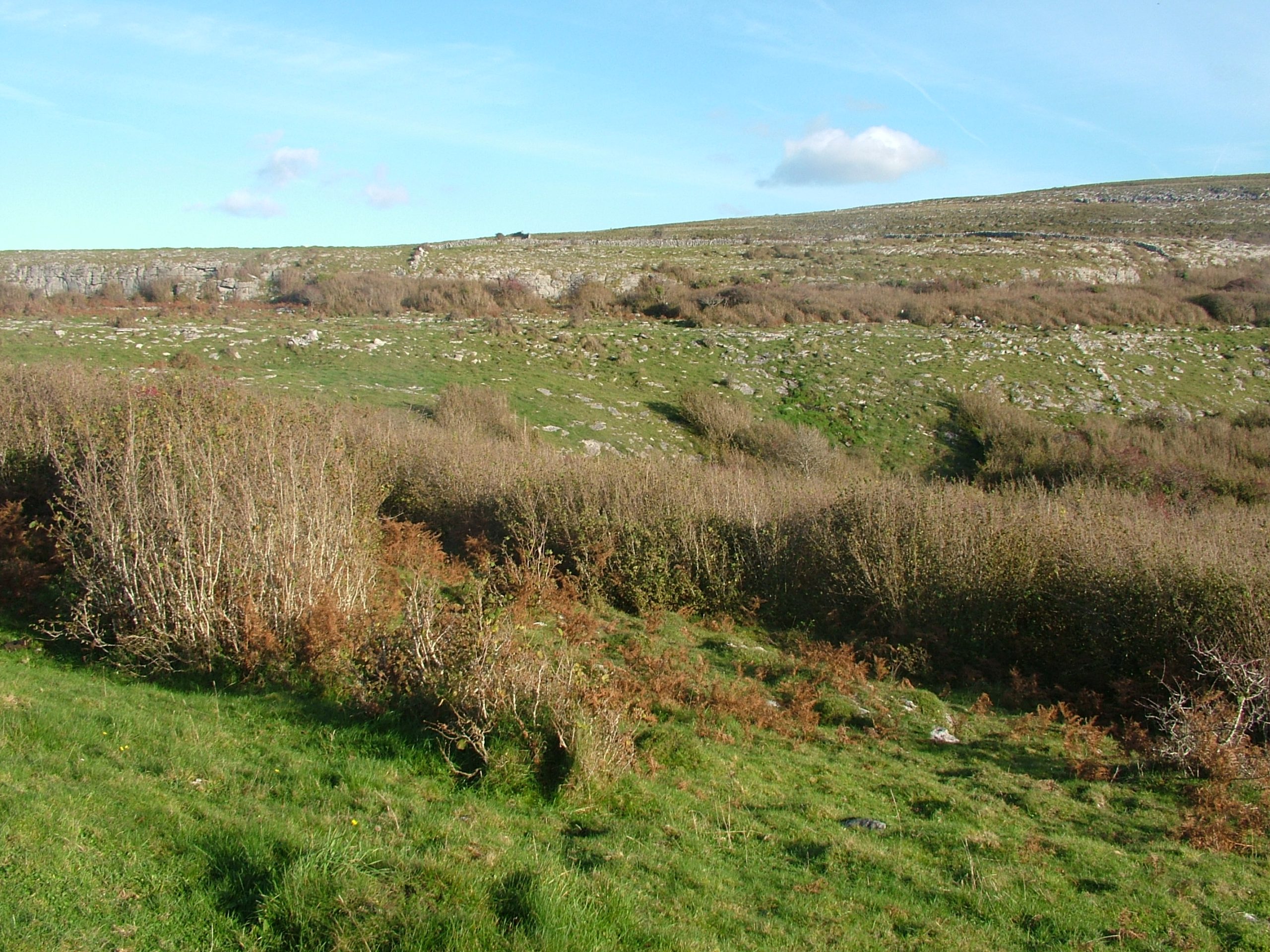
Doomore, The Burren, Clare
One of the Burren sites but only 12 waxcaps have been found here.
Dungiven Church of Ireland, L’Derry
A very good churchyard with 14 waxcaps and a range of other interesting CHEGD species. Worth regular visits.
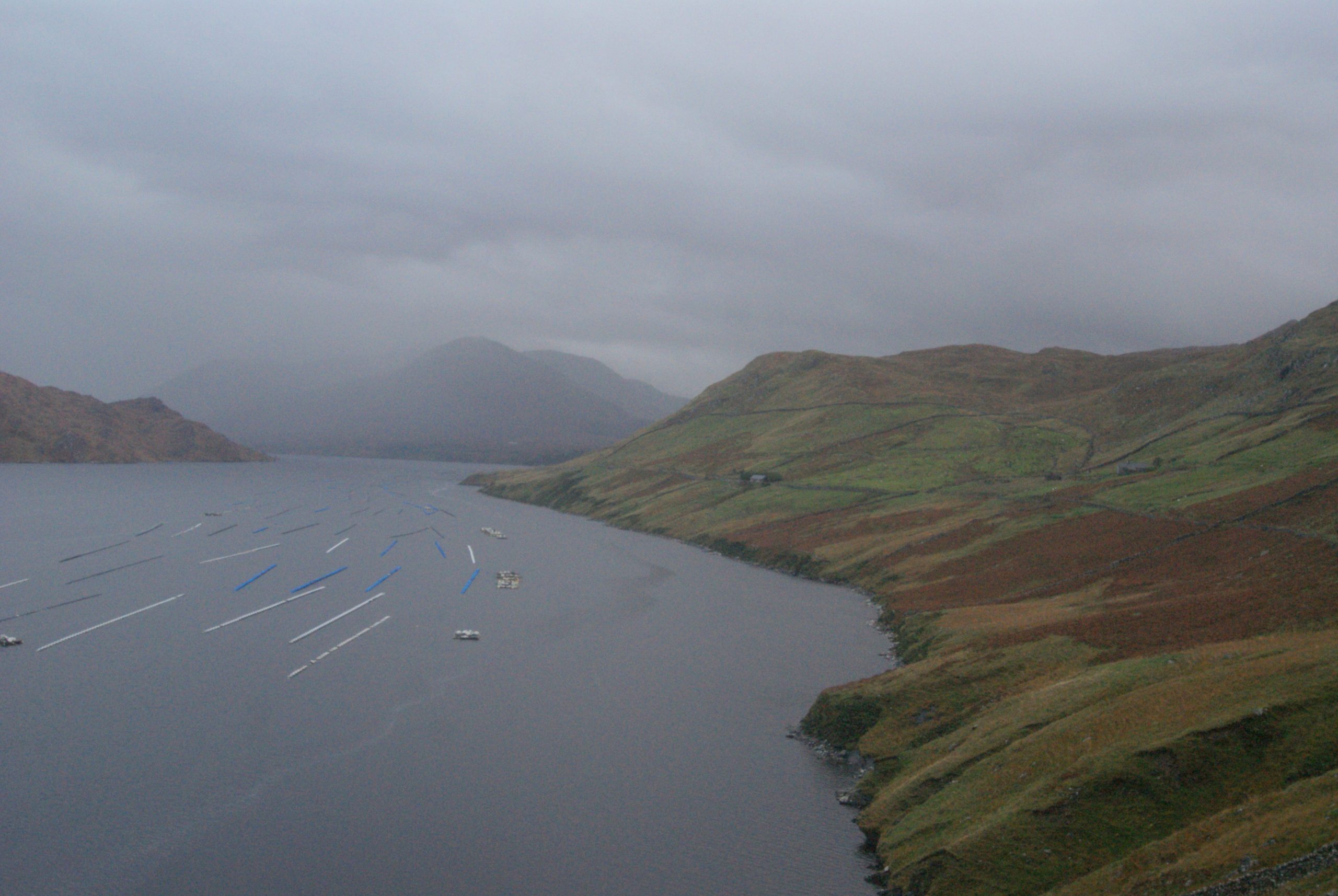
The Famine Road, Foher, Killary Harbour
The famine road was built for work employment in the famine and runs along the southern side of Killary Harbour. There is grassland fungi interest the whole way along the track with the old farm of Foher being the best area.
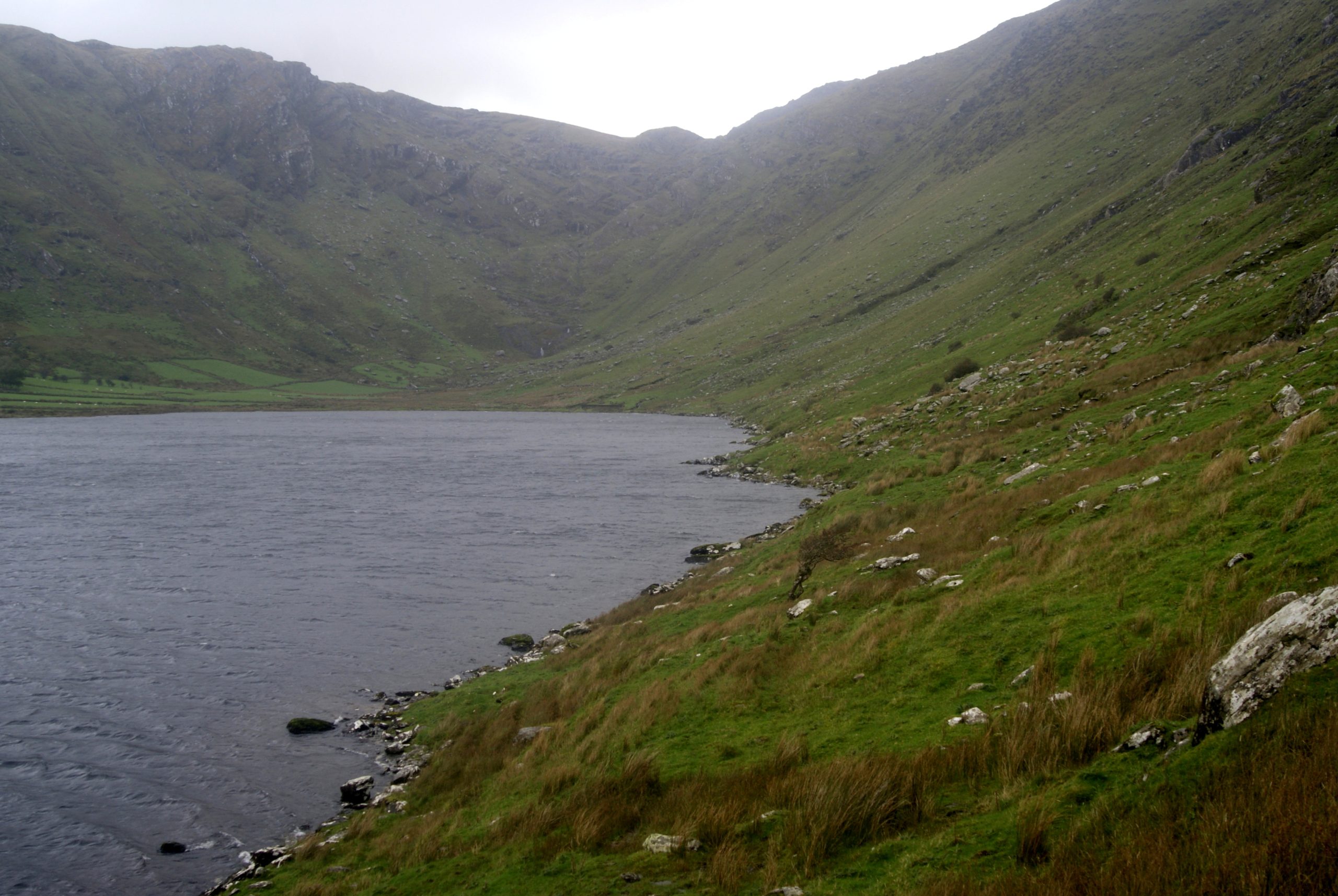
Glenbeg Lough, Beara Peninsula, West Cork
The steep grasslands around this remote upland lough on the Beara had 15 waxcaps.
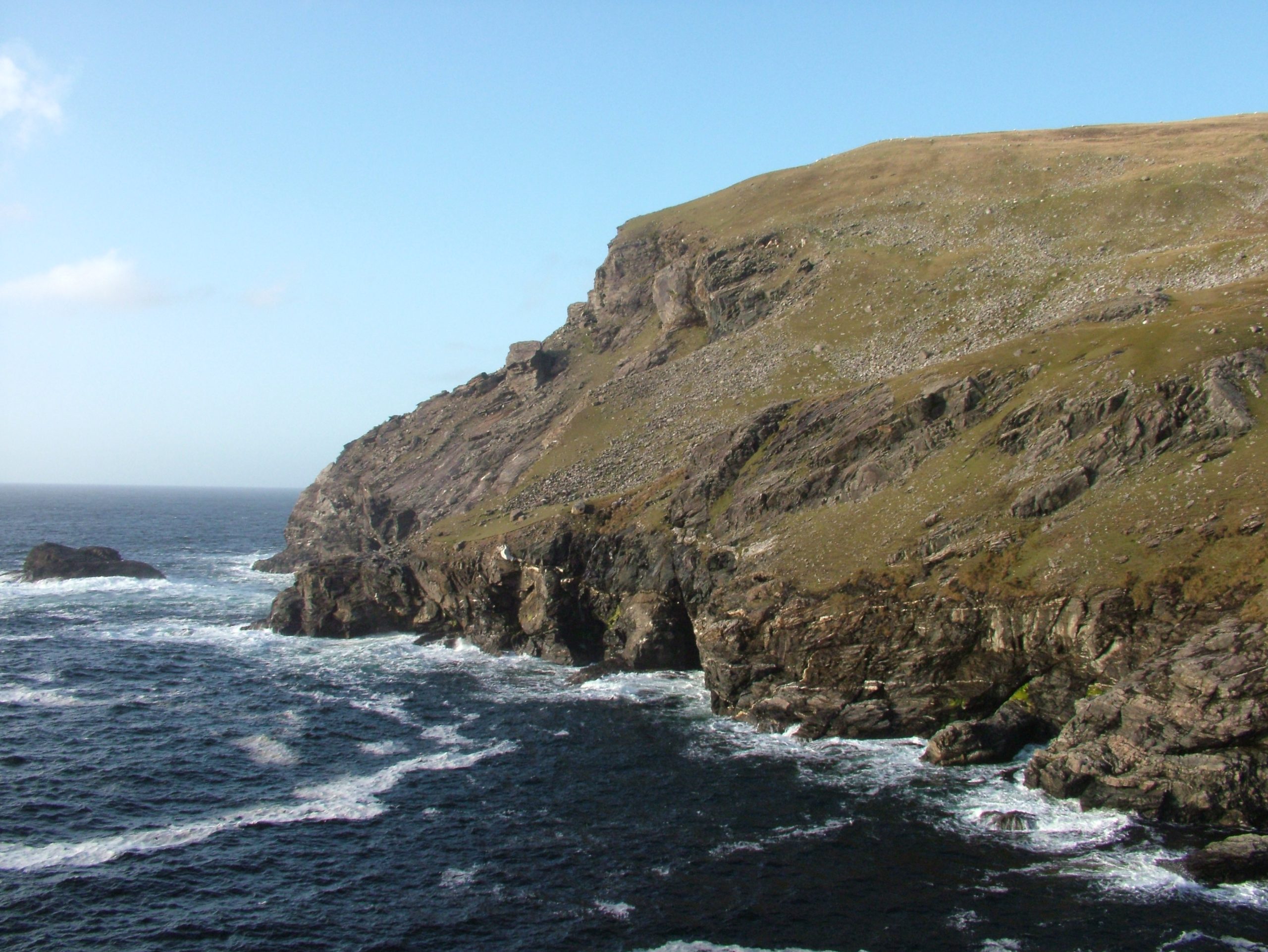
Glencolumbkille: Garbhros and Glen Head, West Donegal
Both the Garbhros area by the beach and Glen Head were promising sites yielding 13 waxcaps each.
Glennahoo, Dingle, North Kerry
An upland lough and glen on the north side of Dingle. 15 waxcaps.
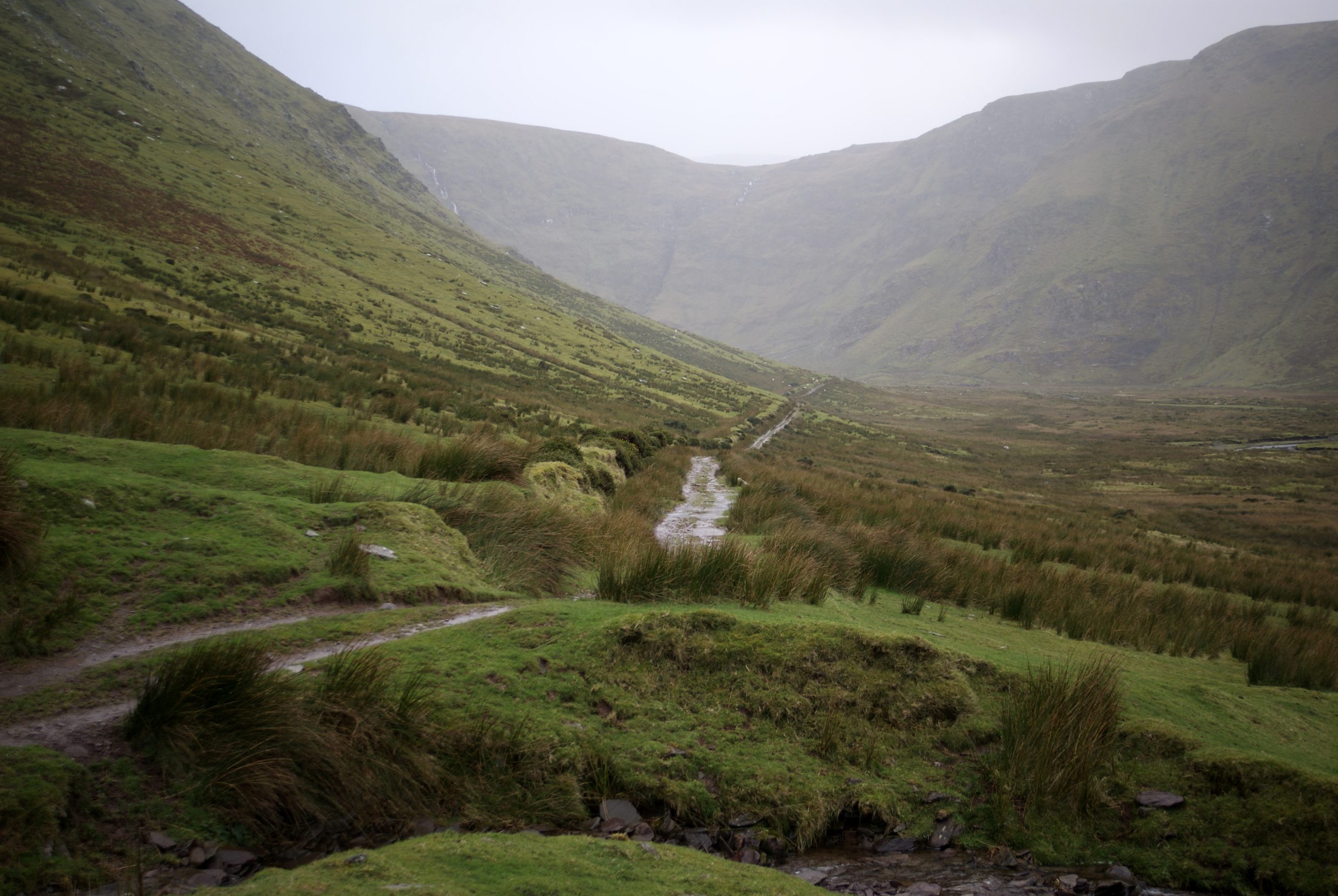
Hungry Hill, West Cork
The area around Park was surveyed and has much more potential than was found that day. Worth spending time at.
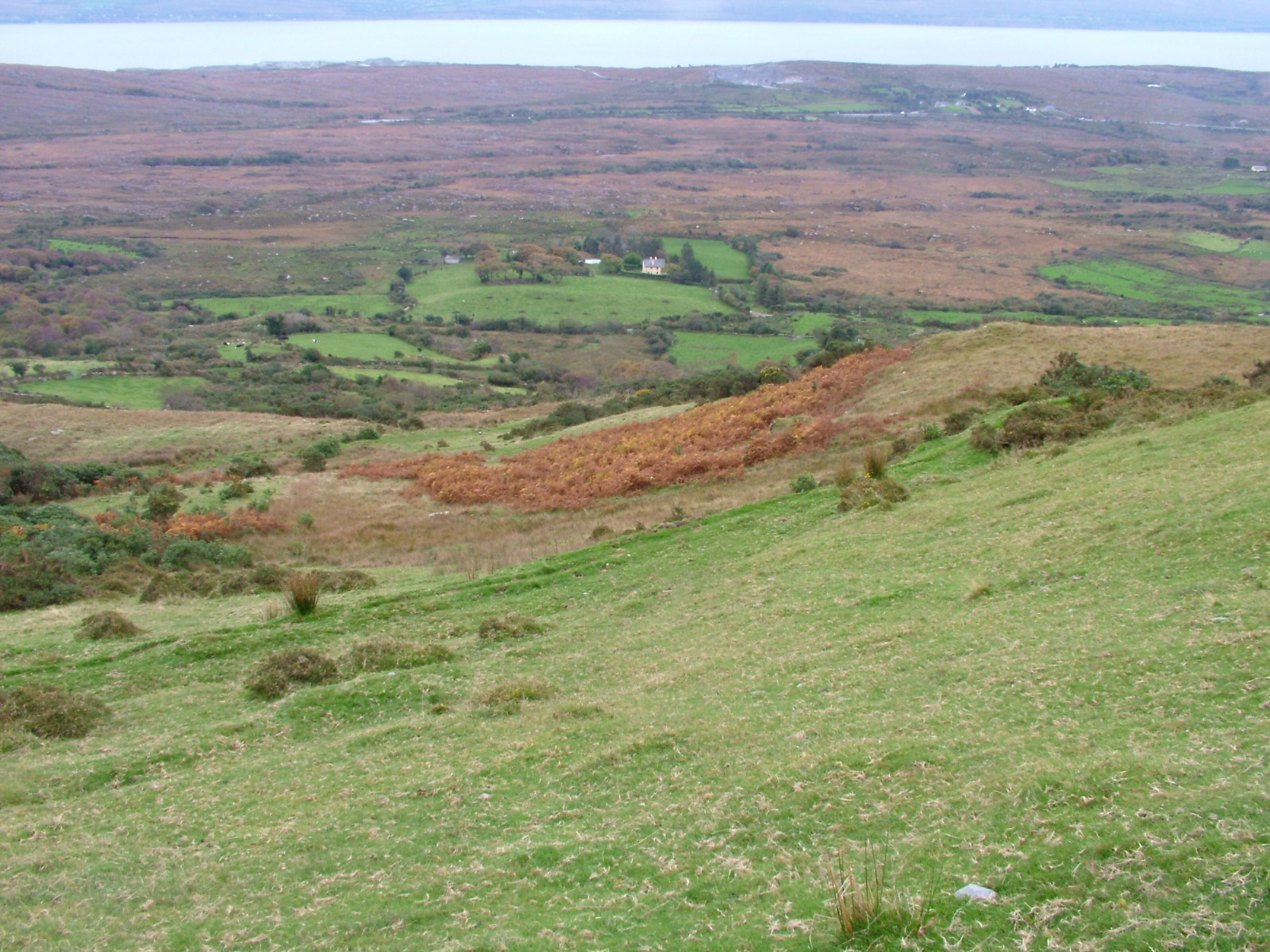
Inishmore, Aran Islands, Clare
One of the special Aran Islands, Inishmore is a large island with a lot of dispersed interest. You could spend days here…..
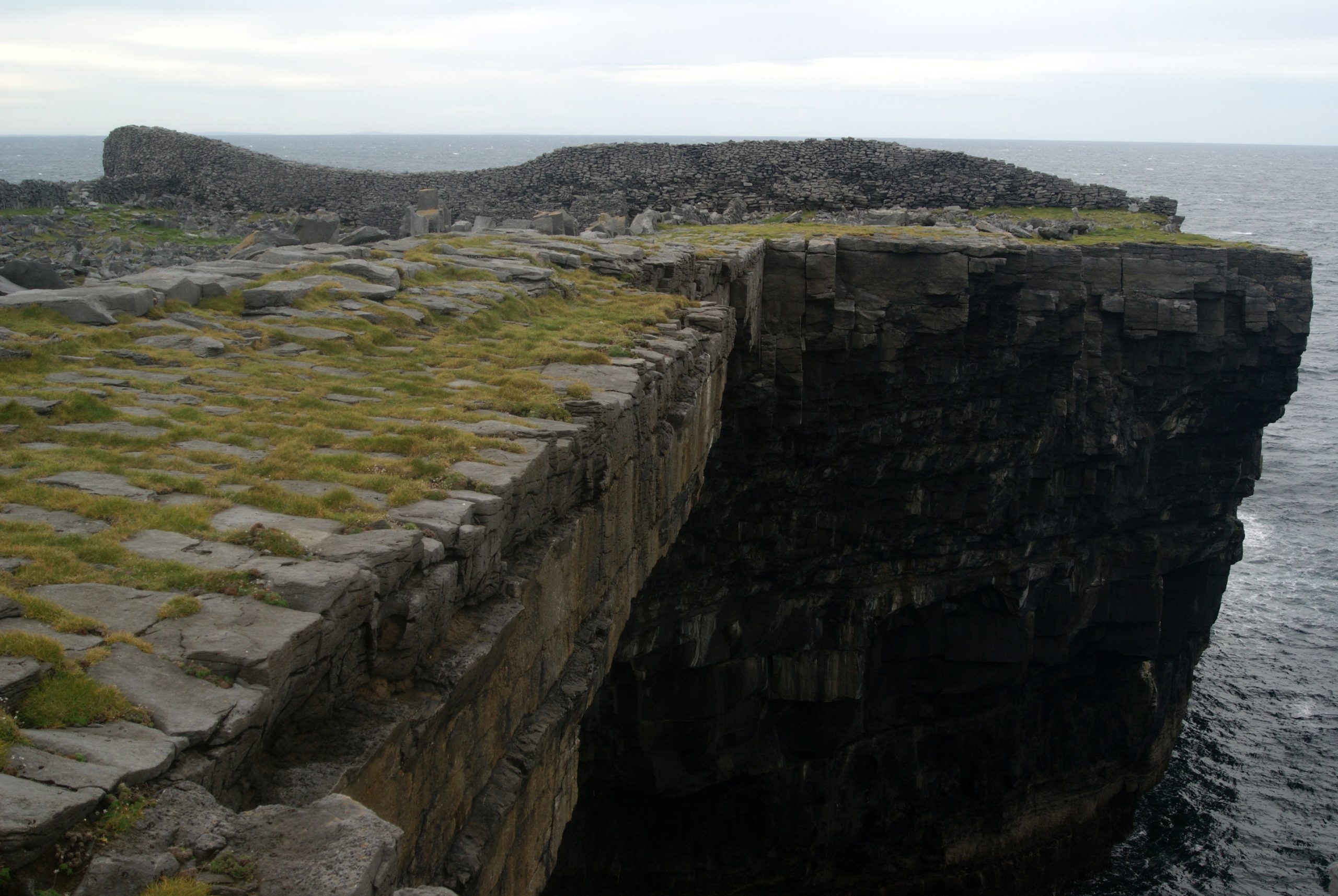
The amazing ruins of Dun Duchathair
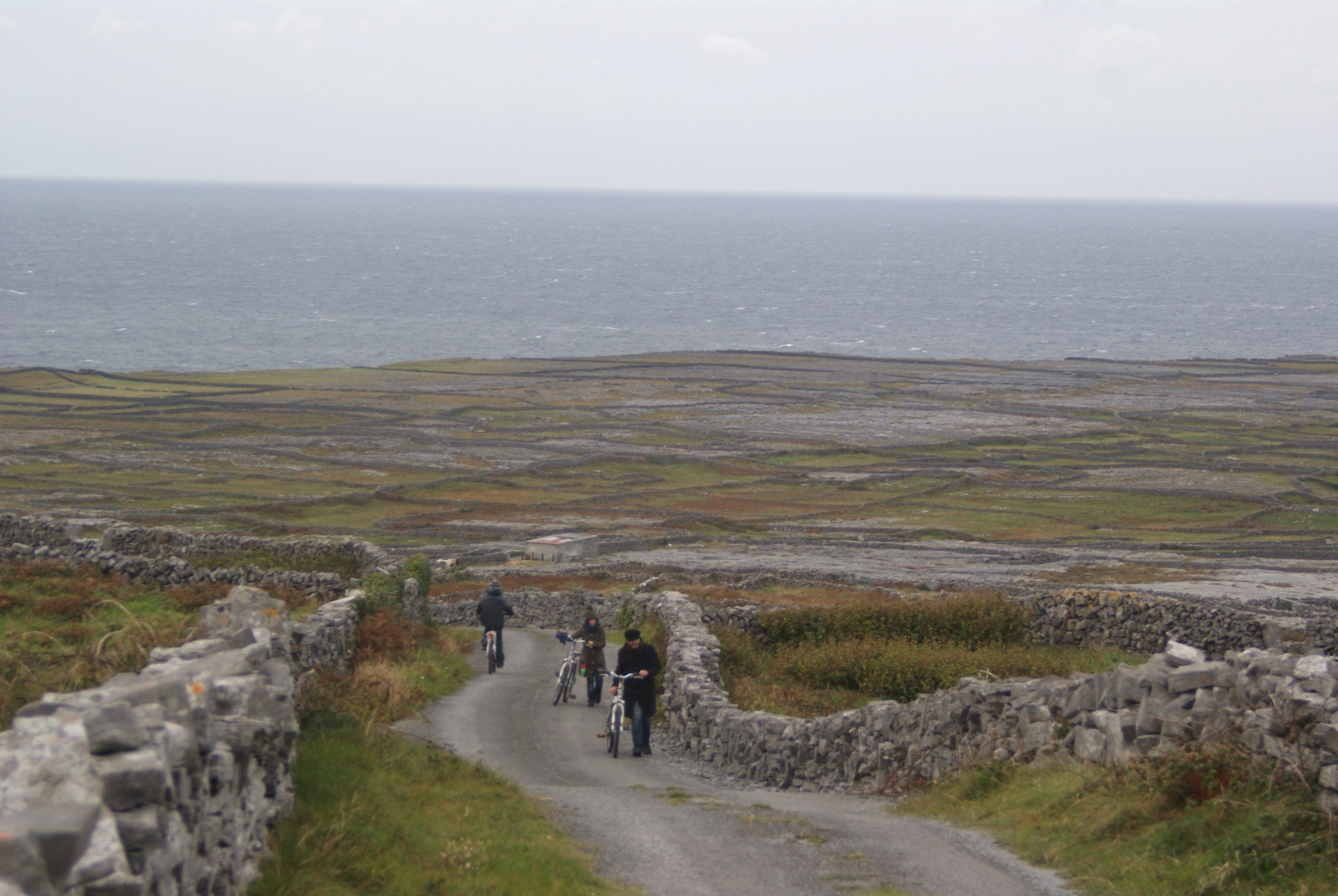
Getting access into the fields is not easy and it is at the archaeological sites and the coast where access is easiest
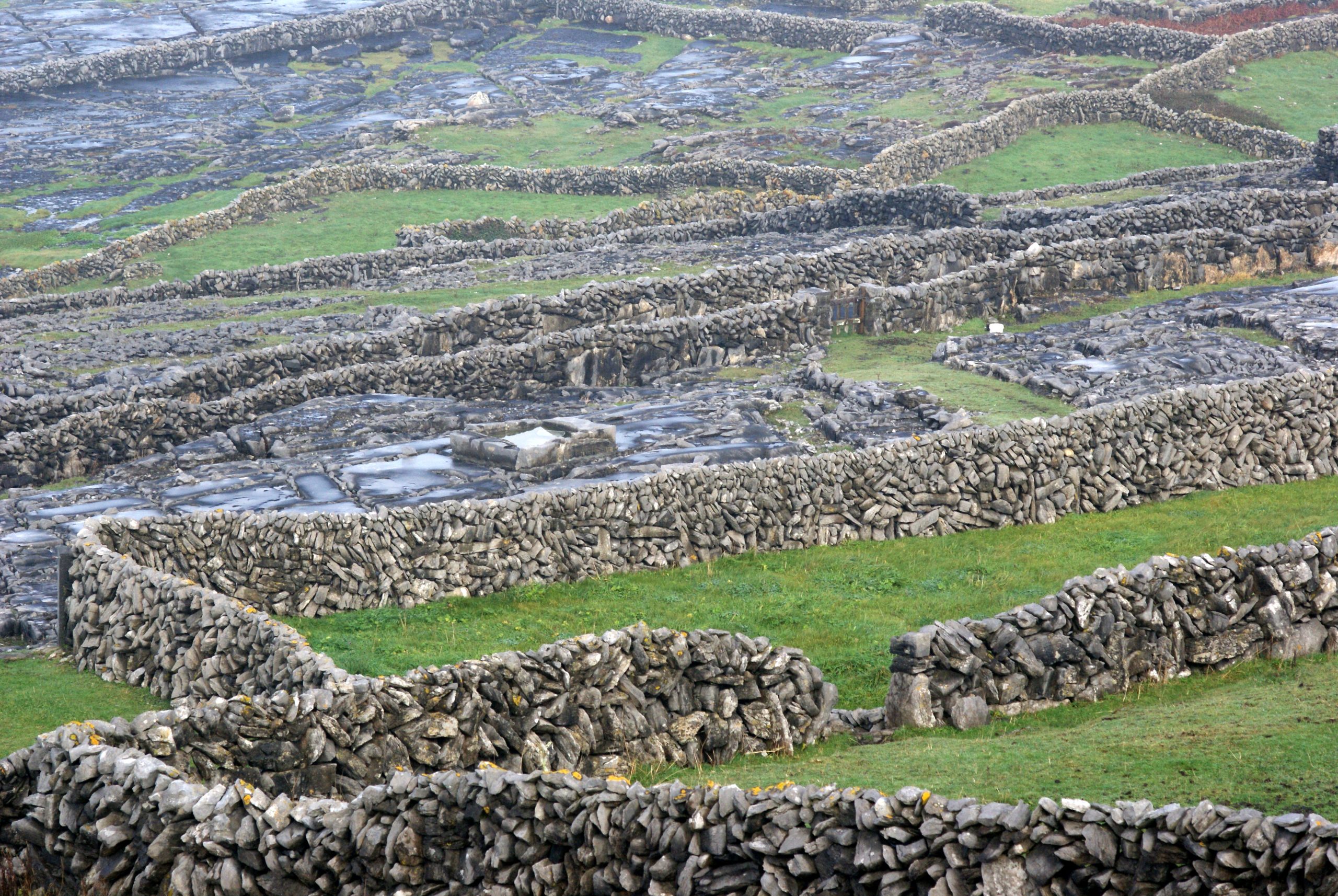
Inishmaan, Aran Islands, Clare
The middle sized Aran Island is another maze of tiny fields, a lot of which are not intensively managed.
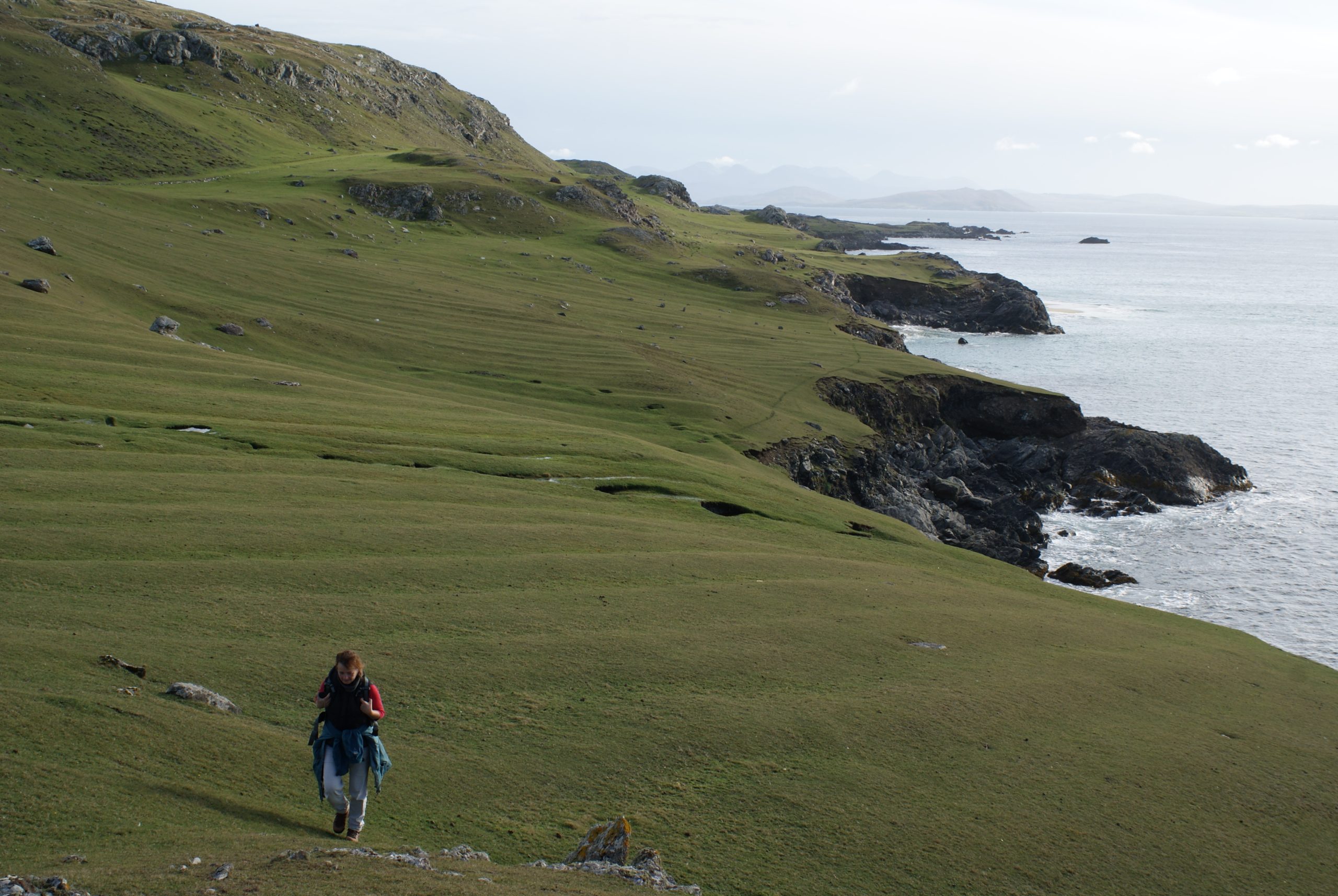
Inishbofin, West Galway
Beautiful short rabbit grazed turf on the coastal fringes. 17 waxcaps and the first Irish record of Hygrocybe spadicea was found here. Note the large area of abandoned lazy beds.
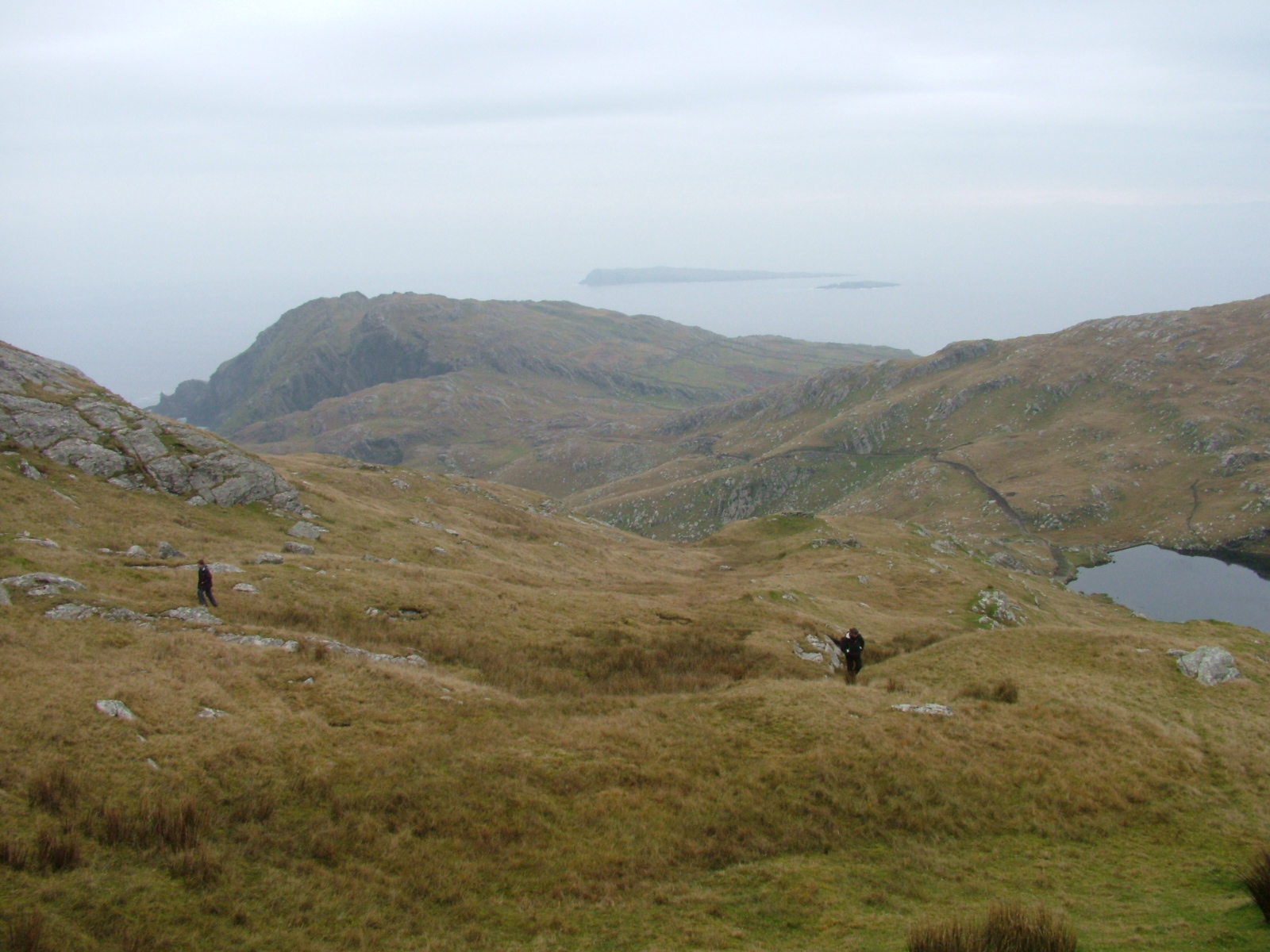
Inishturk, West Mayo
A remote island with less intensively managed farms on the east and wild sea cliffs on the west side. 17 waxcaps.
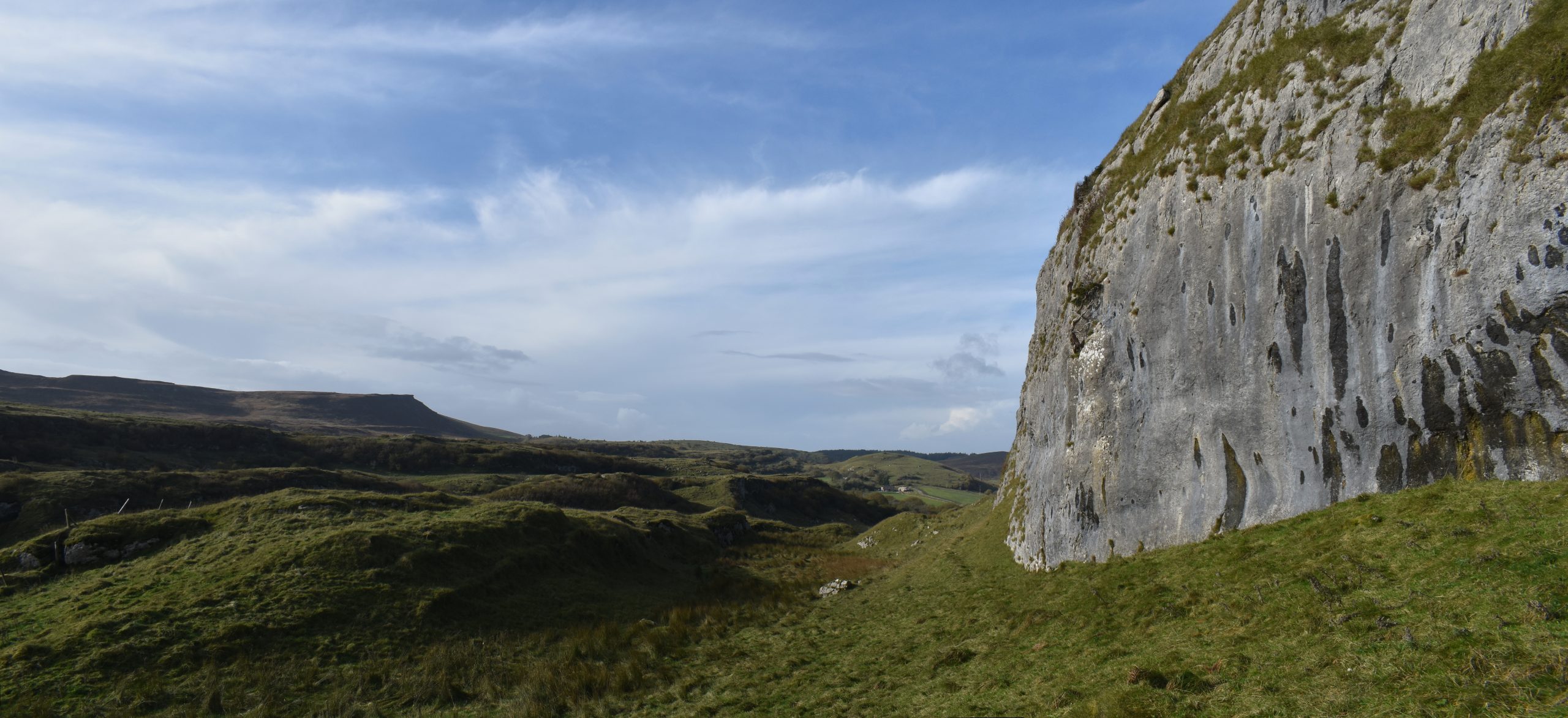
Knockmore, Fermanagh
A curious site. A dramatic limestone cliff with Mountain Avens, Dryas octopetala. It has good numbers of records from the past but the sward height is now deep and thick. The best parts are the steep slopes right under the cliffs and the deep gullies on the top.
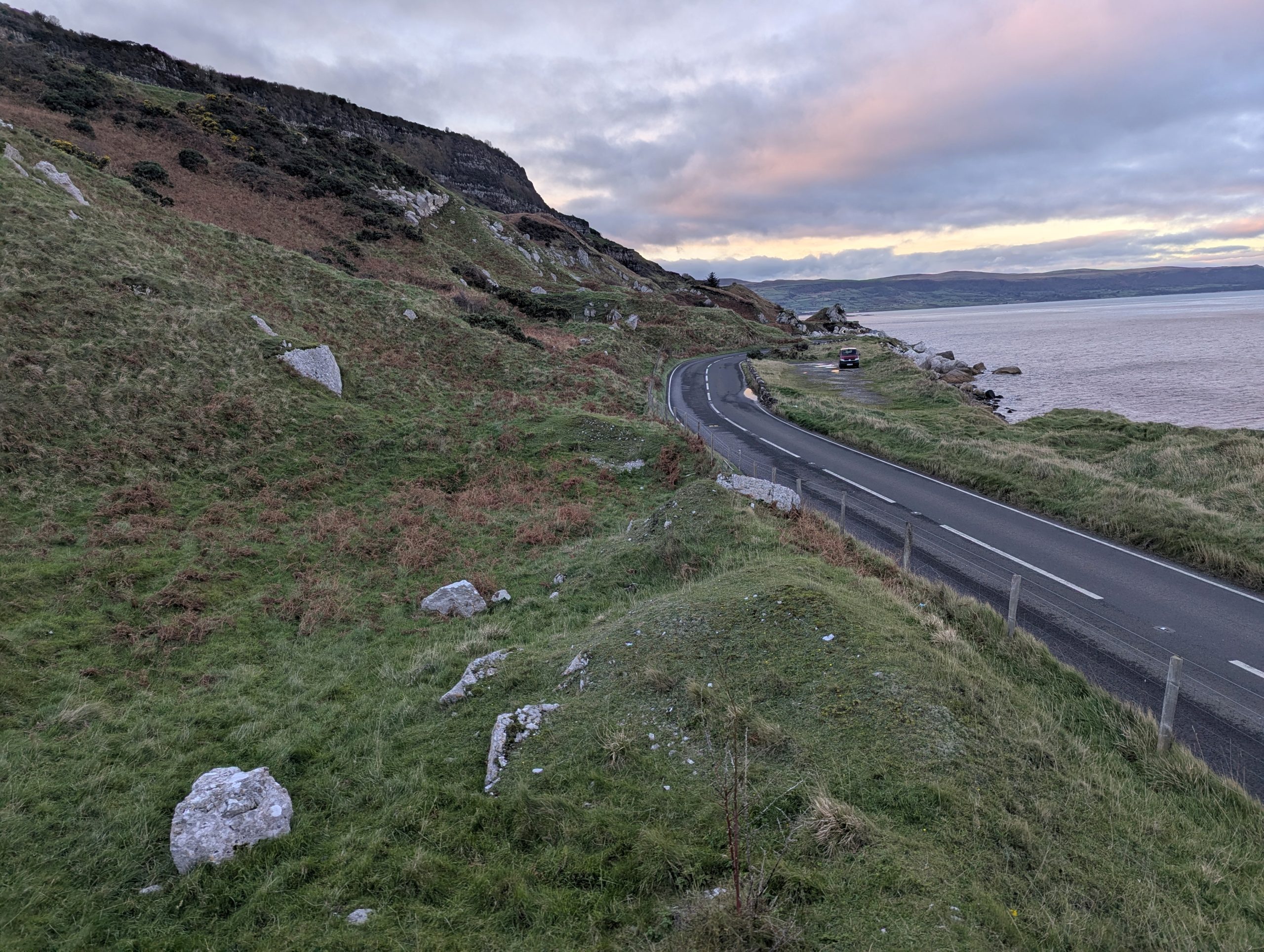
Little Deer Park ASSI, Antrim
A tiny site alongside the coast road but Northern Ireland’s best site for earth tongues and it has a series of real rarities like Clavaria calabrica, Hodophilus phaeophyllus and Entoloma cf. mediterraneense. Privately owned.
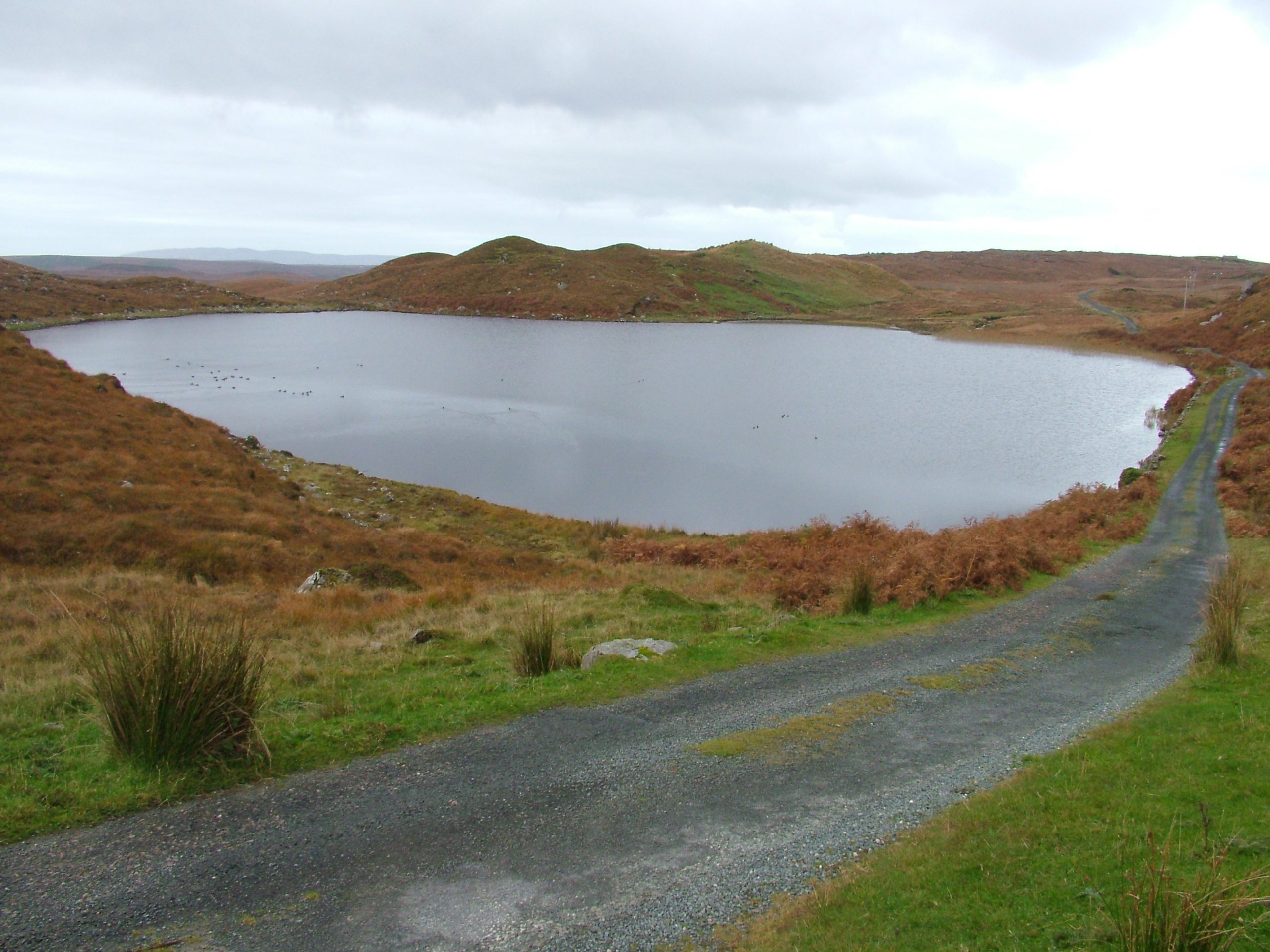
Loch Ascardan, West Donegal
The grassland fungi interest here was totally restricted to the roadside edges which were the only dry area around! 10 waxcaps.
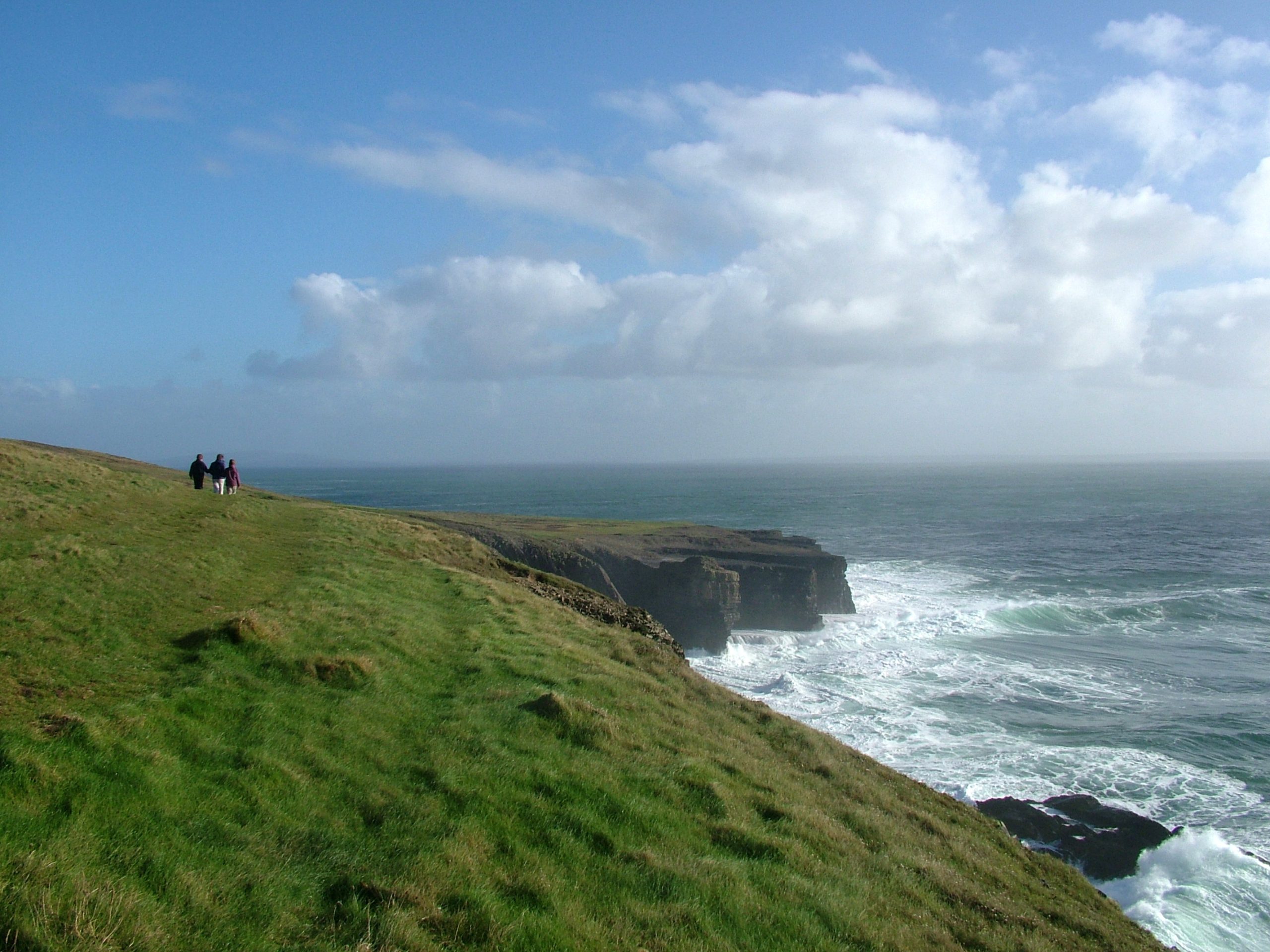
Loop Head, Clare
The wild western end of Clare at the mouth of the Shannon. The coastal grasslands have good potential but little was found on this one visit in 2006.
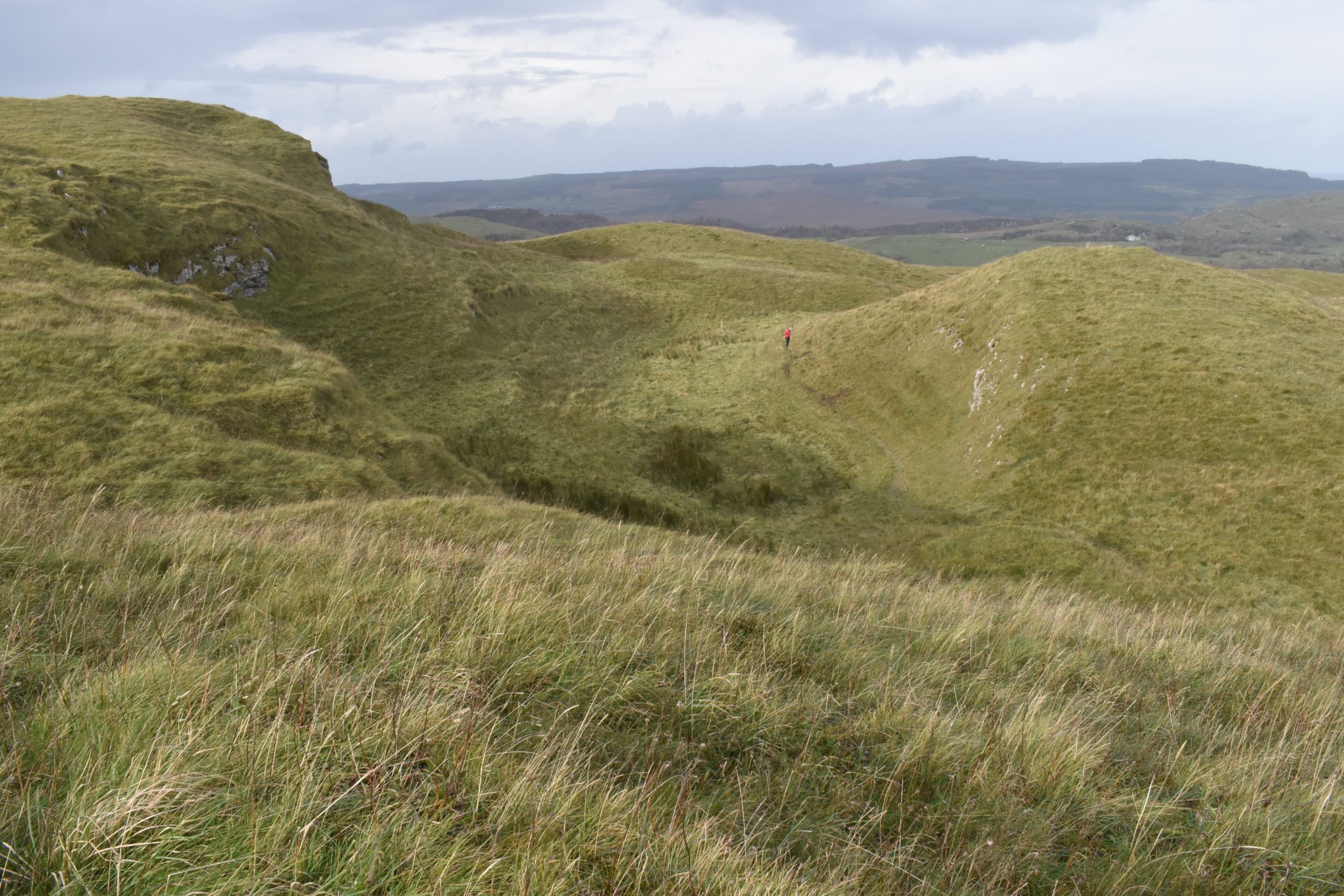
Luriegethan, Antrim
A very steep hill overlooking Waterfoot. Despite the gradients, quad bike tracks and empty fertiliser bags demonstrated the problems that upland sites now face. The sward was thick and fruiting sparse but are things still underground??
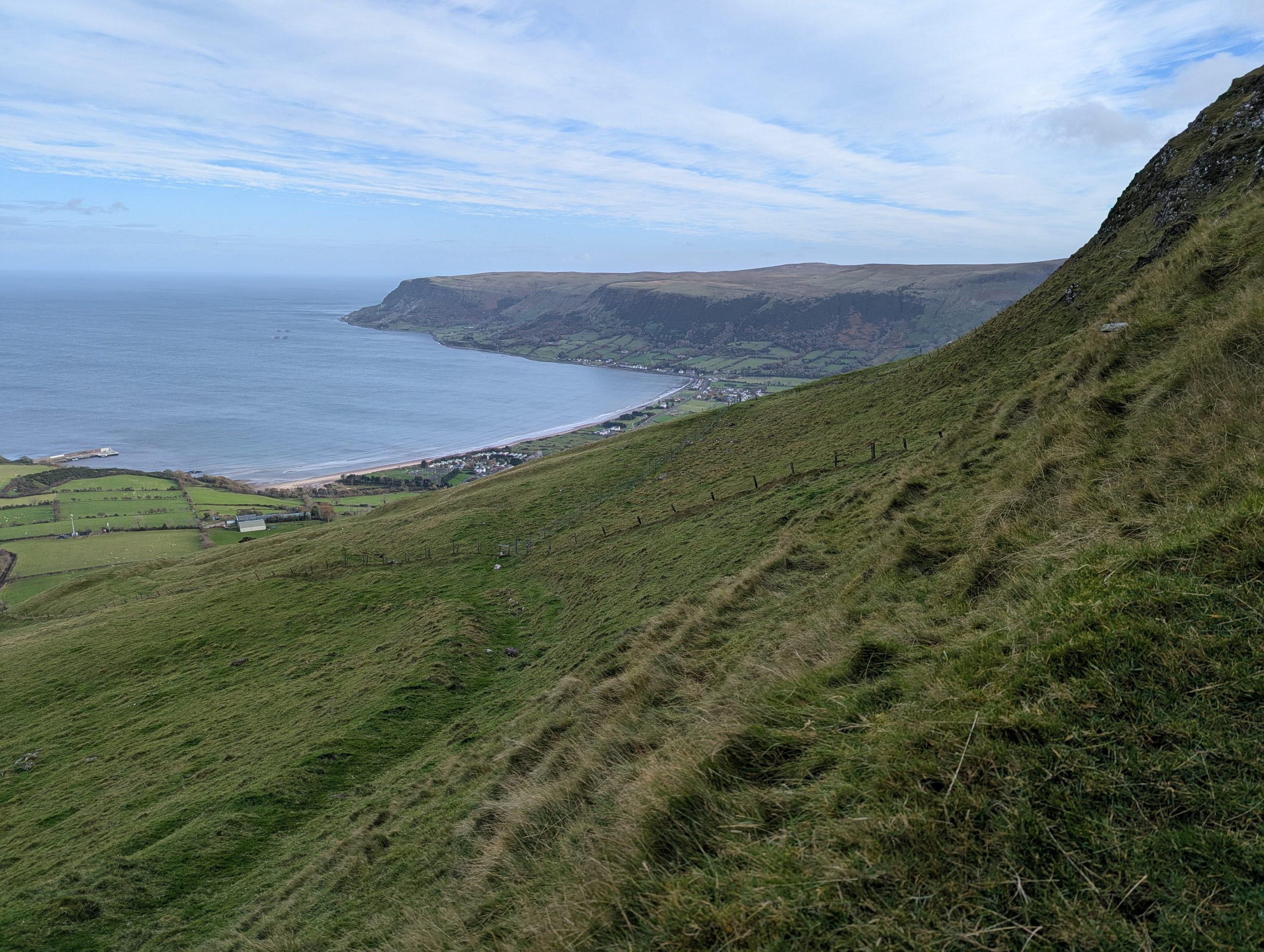
Maghera Dunes, West Donegal
Another dune site that you feel should be better but that was a bit disappointing with only 10 waxcaps.
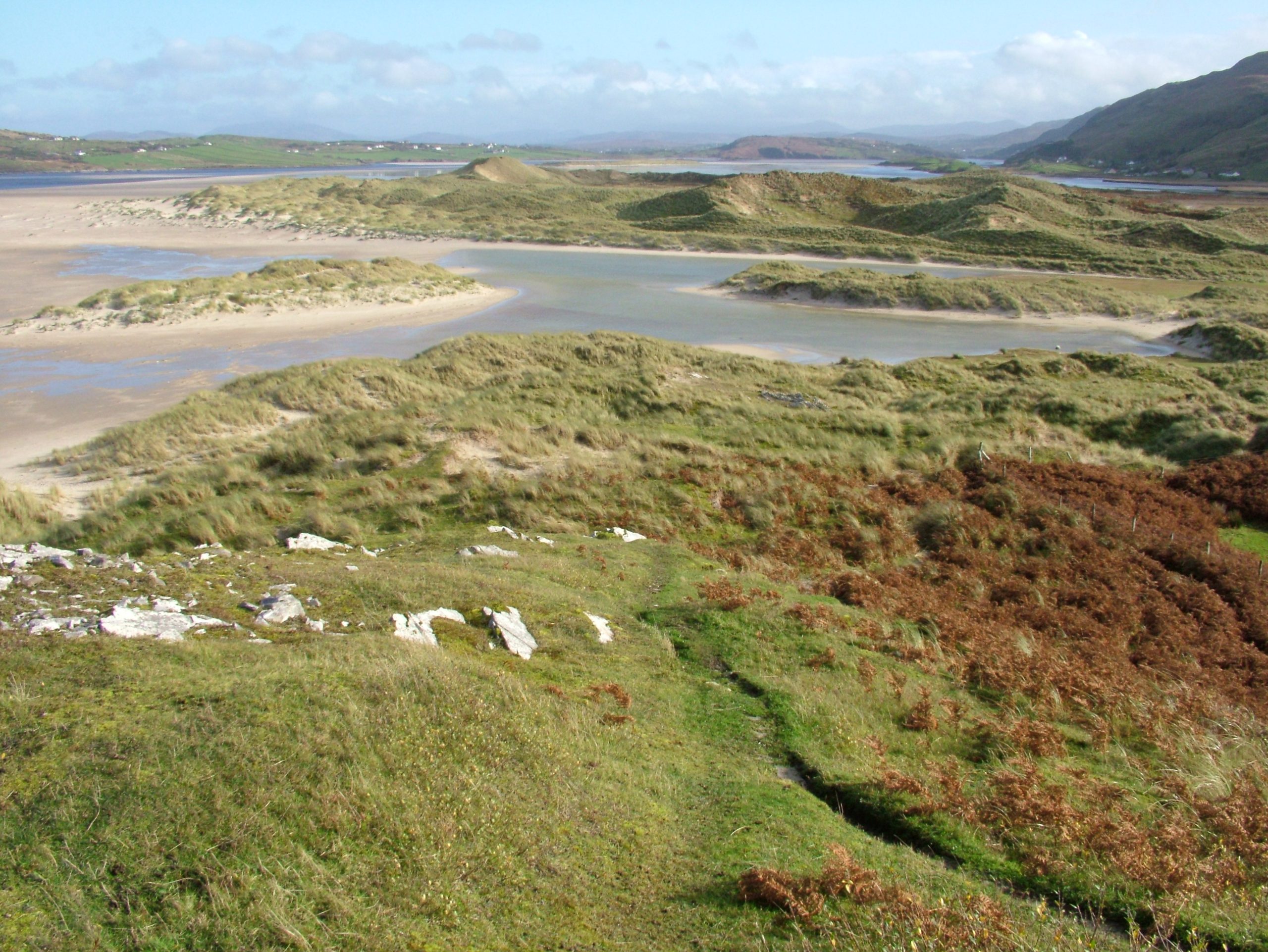
Muckros Head, West Donegal
The actual head itself was not as interesting being too wet but the small fields nearer the road were rich including the Violet Coral although it is not known which species this was as the specimen has not survived alas. It was found at that particular earth bank…..
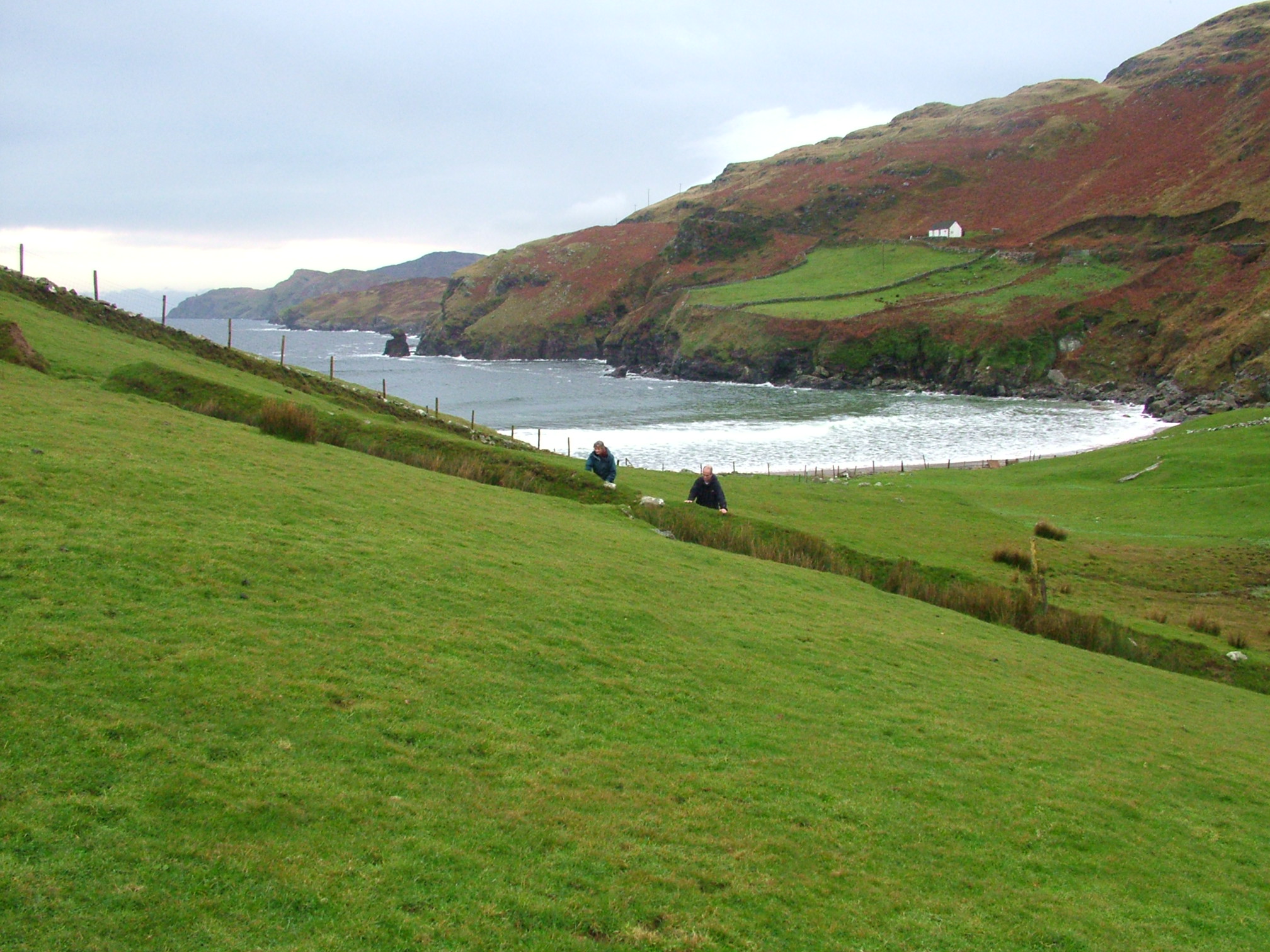
Rashee Cemetery, Ballyclare, Antrim
A very rich graveyard with a number of special finds that should be visited on more occasions.
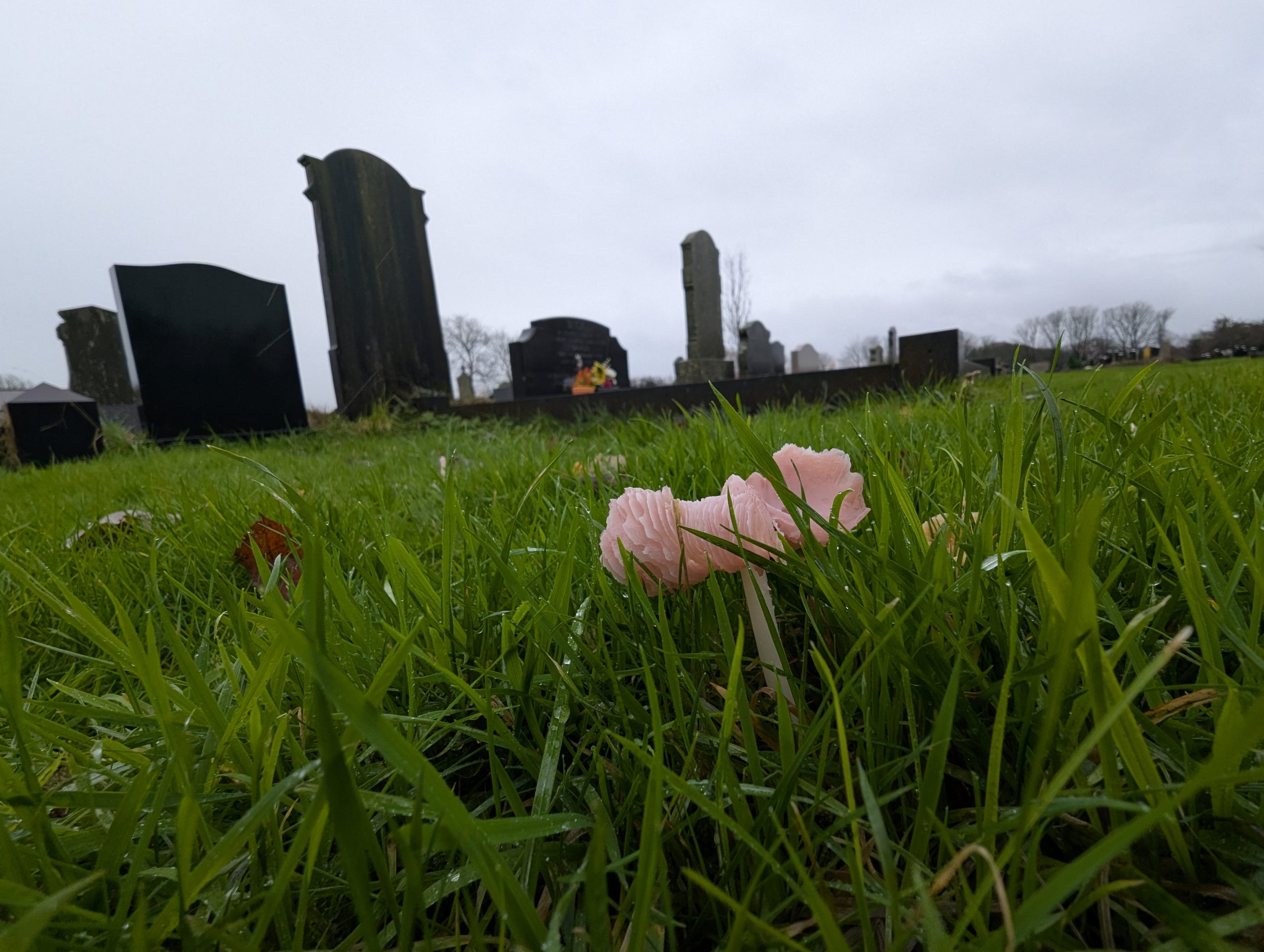
Sheskinmore Dunes, West Donegal
One of the better dune sites for grassland fungi with 13 waxcaps
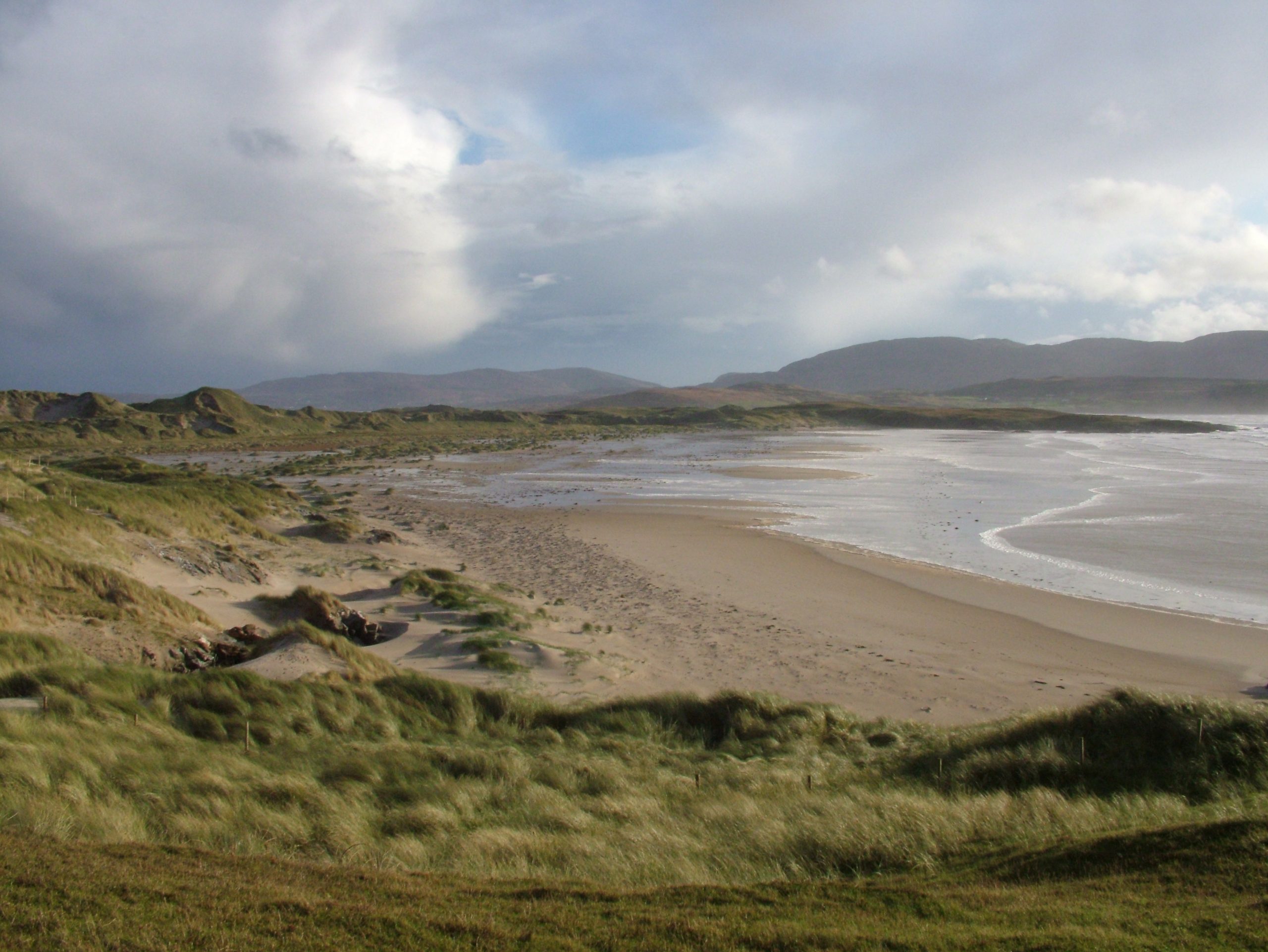
Slea Head, South Kerry
Another wild headland with very short grazed turf. 11 waxcaps but probably much better than this.
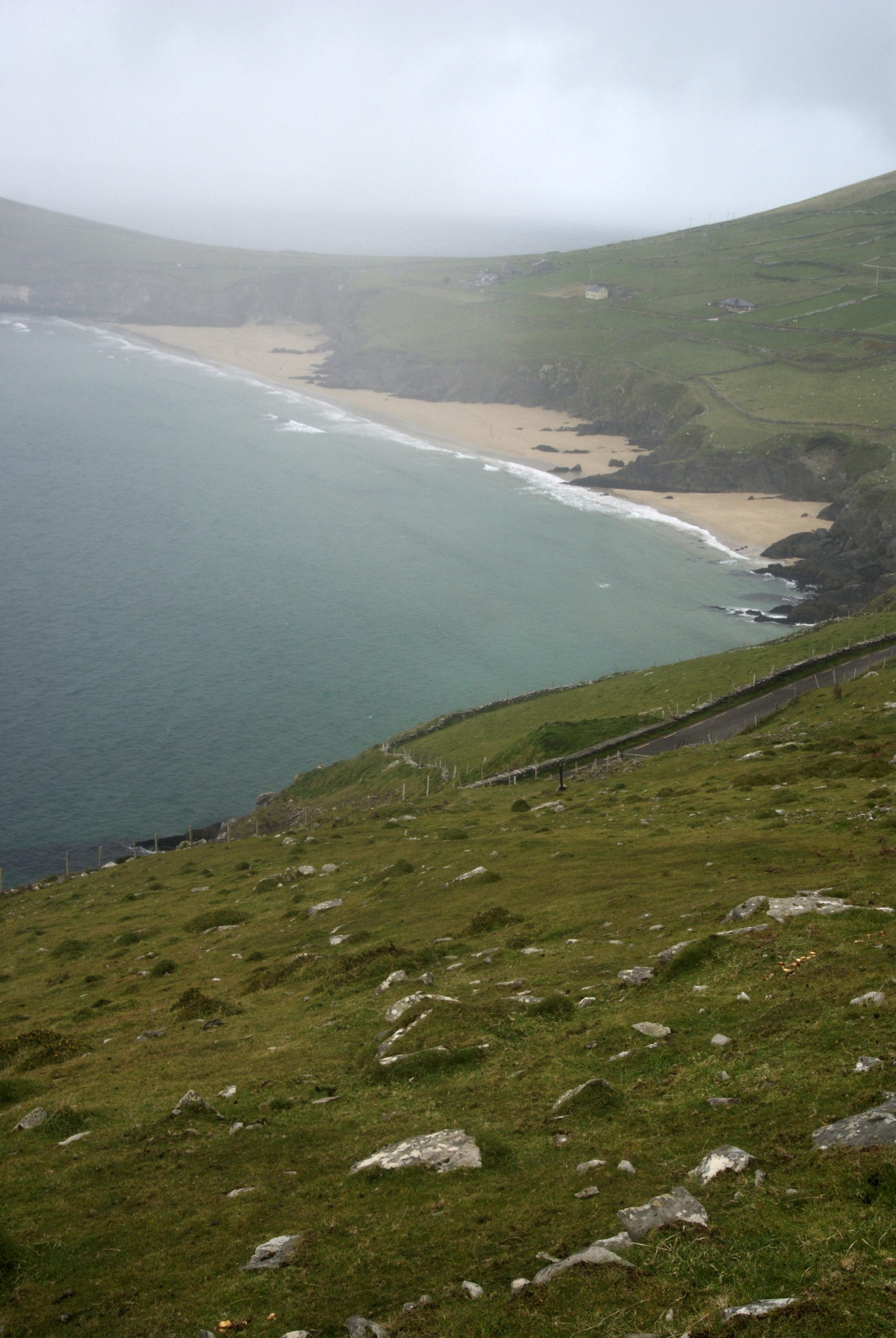
Sybil Point, South Kerry
Similar to Slea Head, this is bound to be better than the 6 waxcaps found in the one visit.
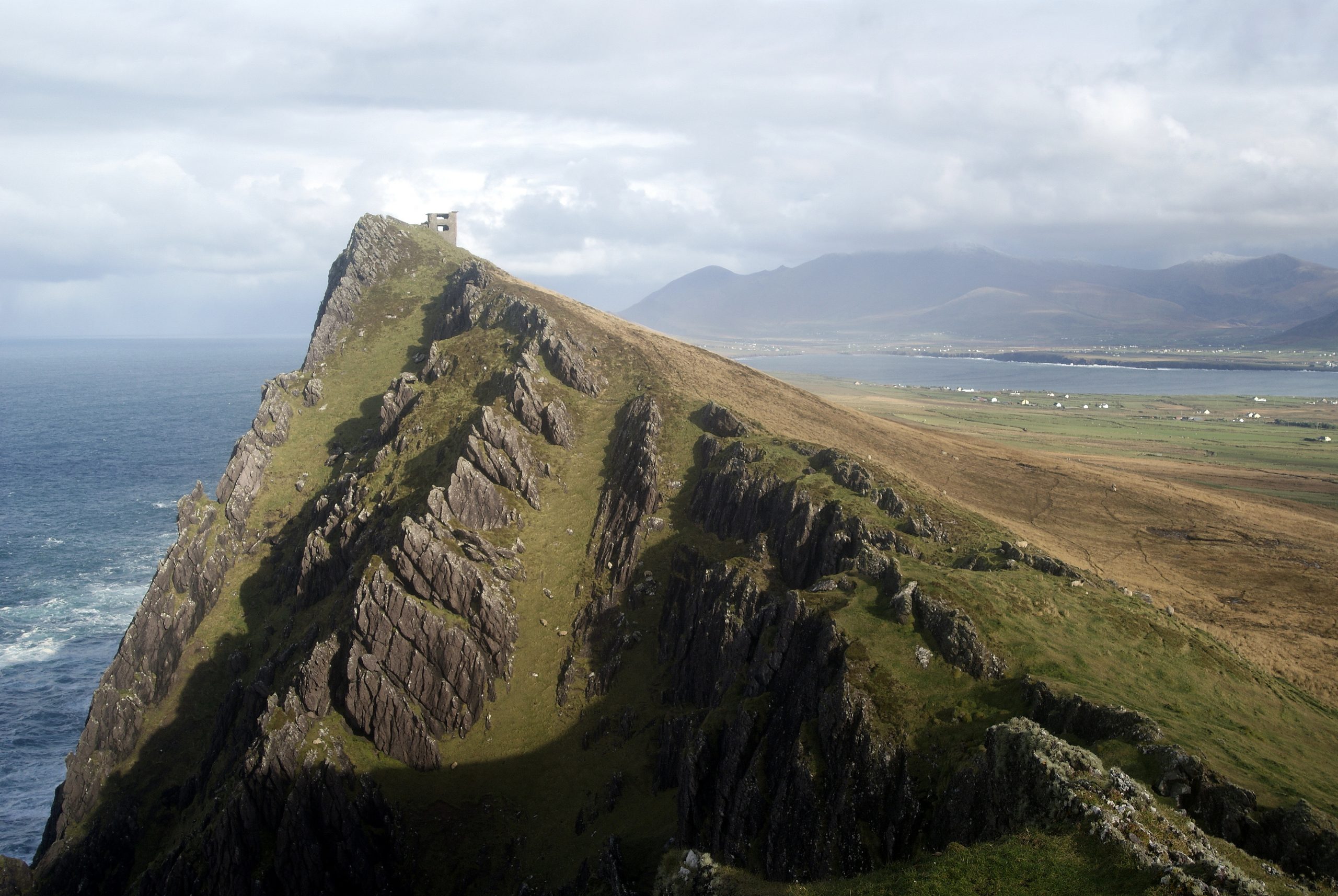
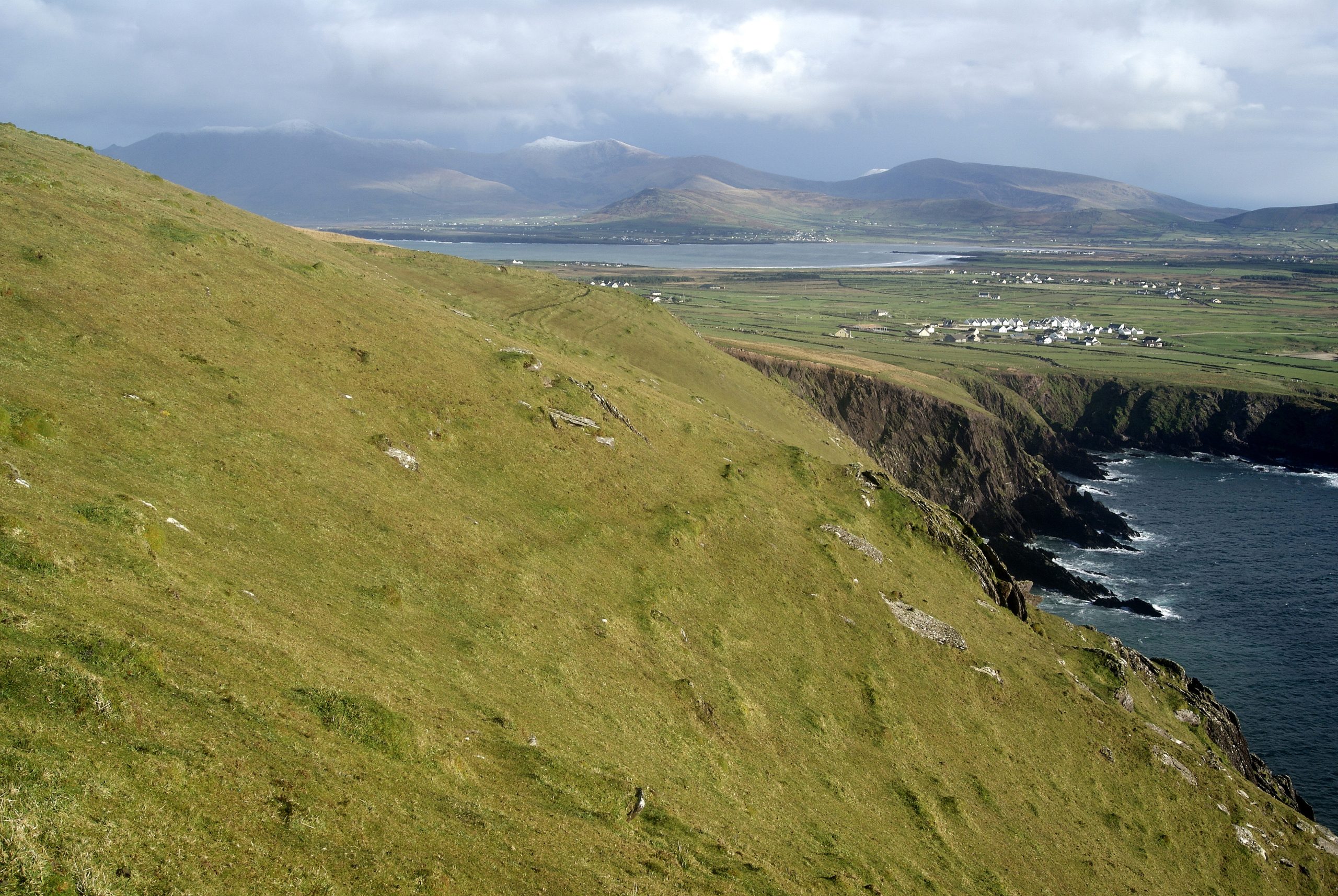
Tievebulliagh Mountain, Antrim
A fascinating site were the best areas were the neolithic tail workings from the porcellanite axe factory. Shards of porcellanite could be found in amongst the waxcaps.
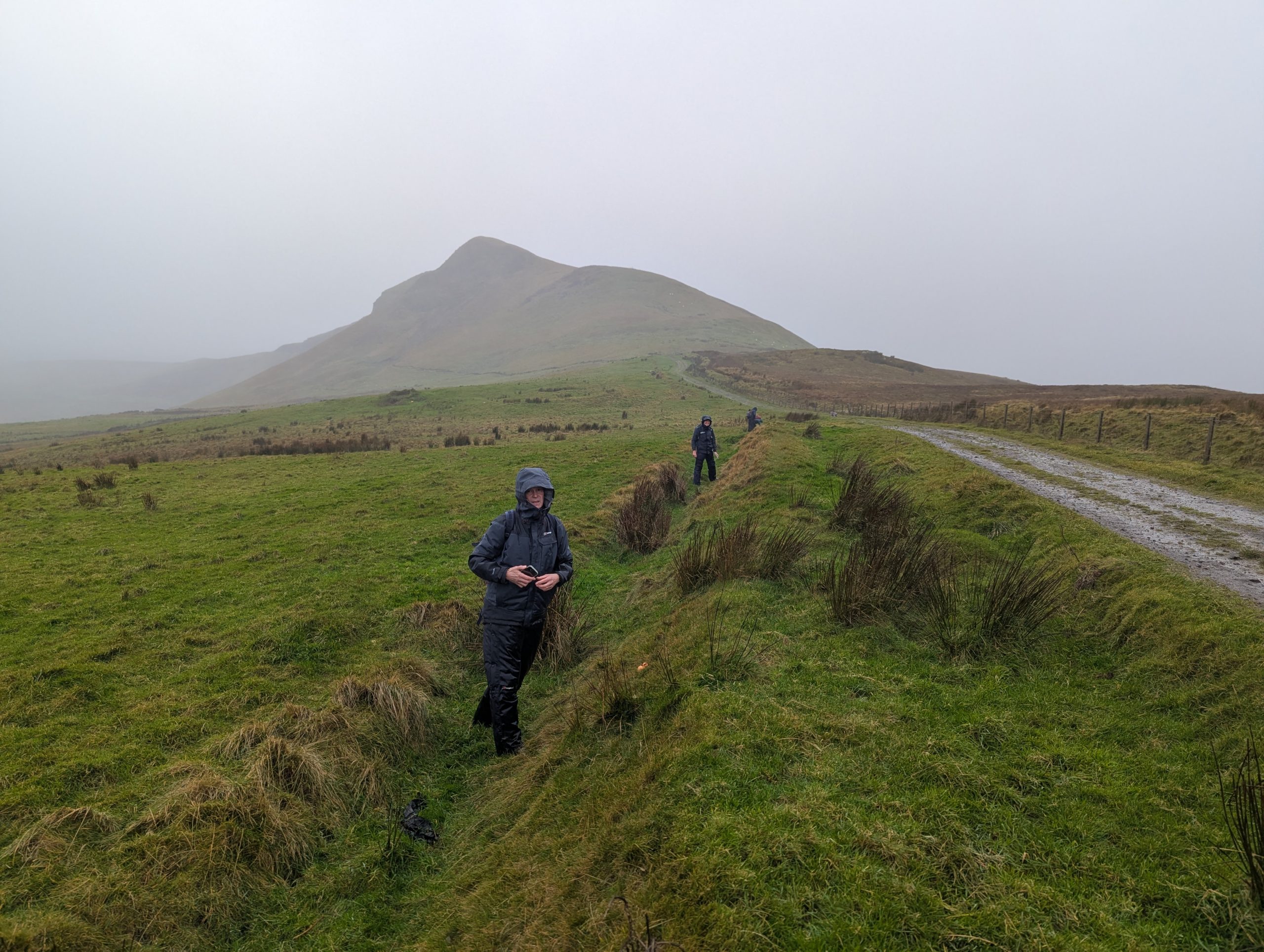
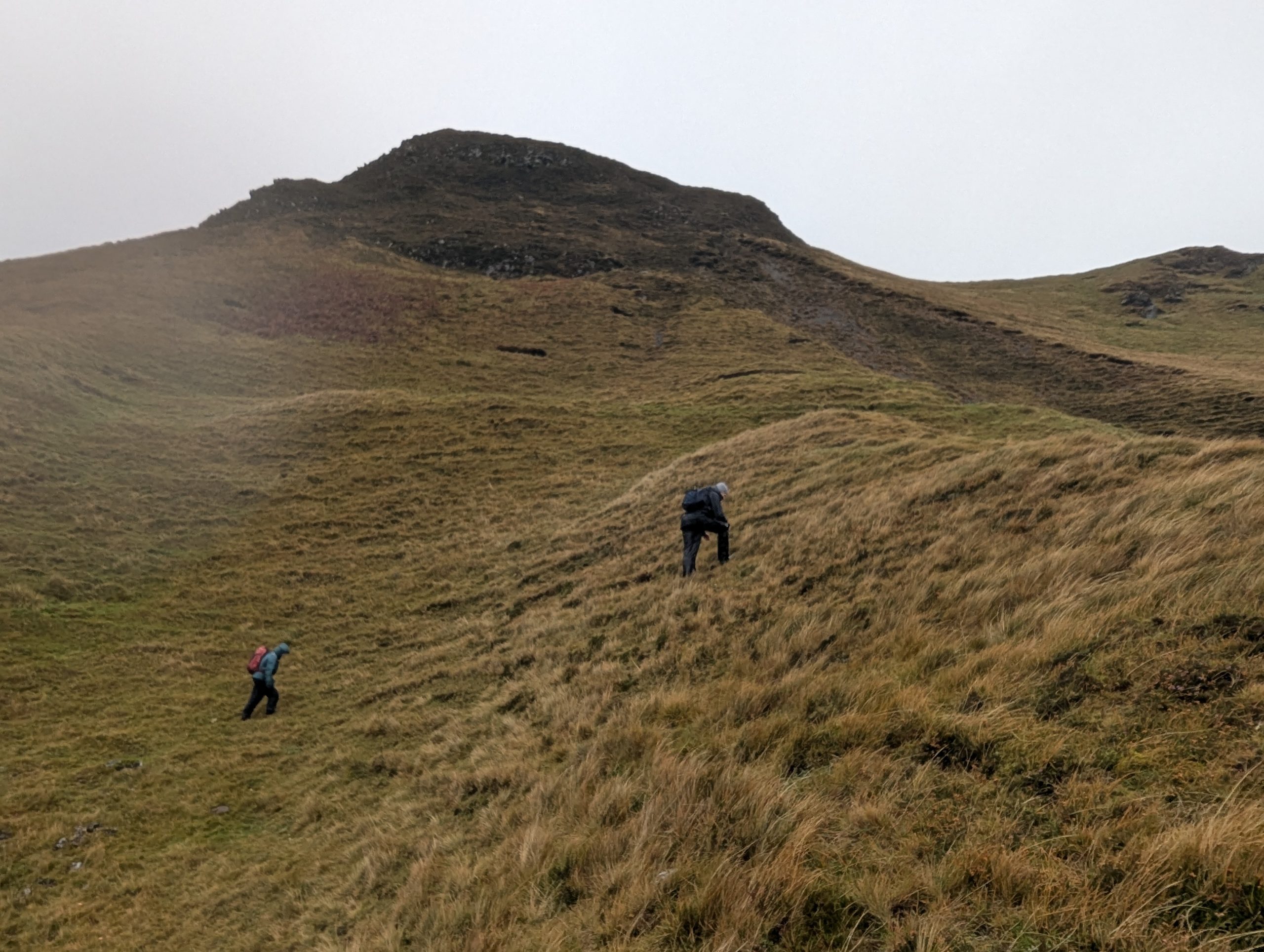
The neolithic tail workings with the porcellanite exposure above on the cliffs.
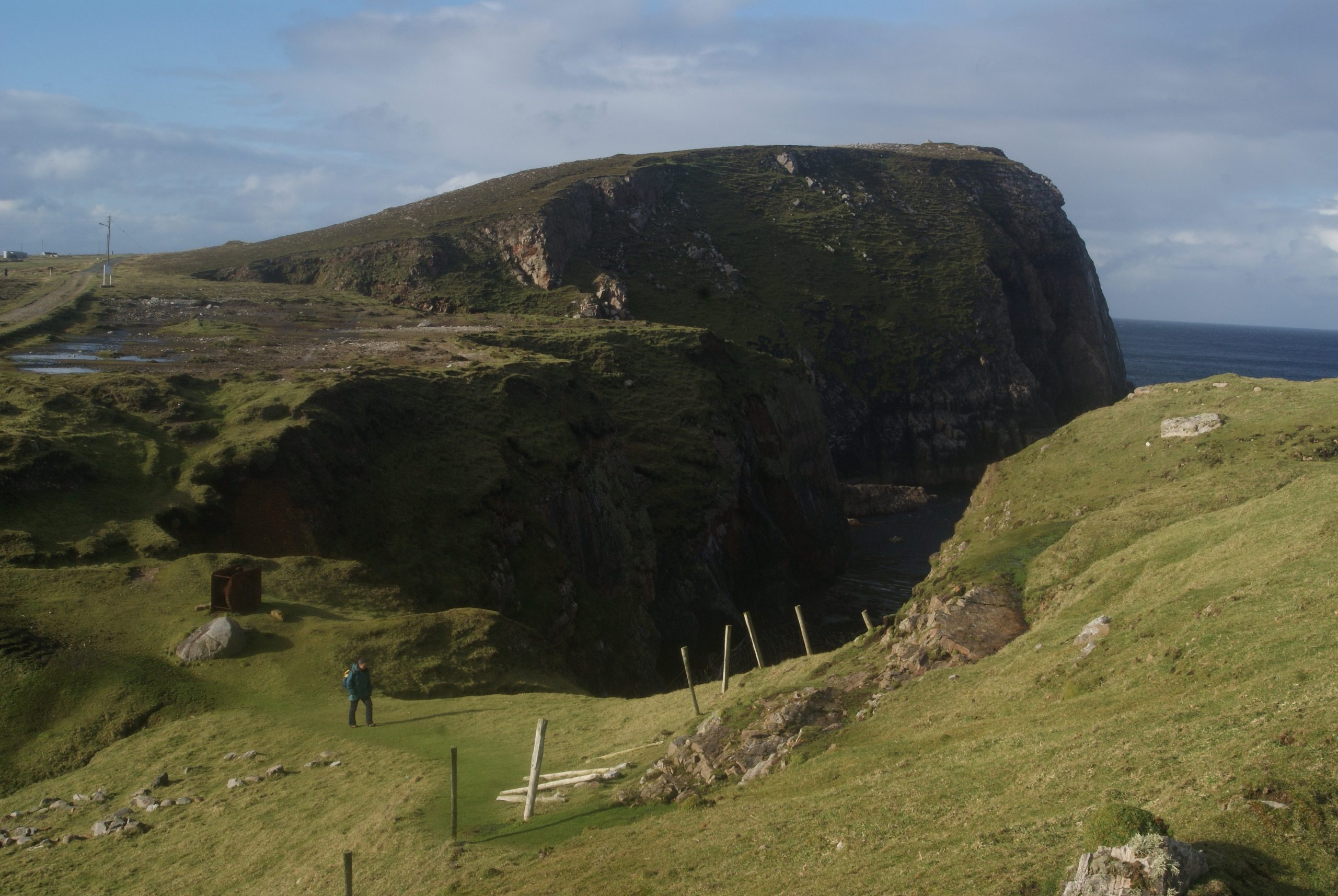
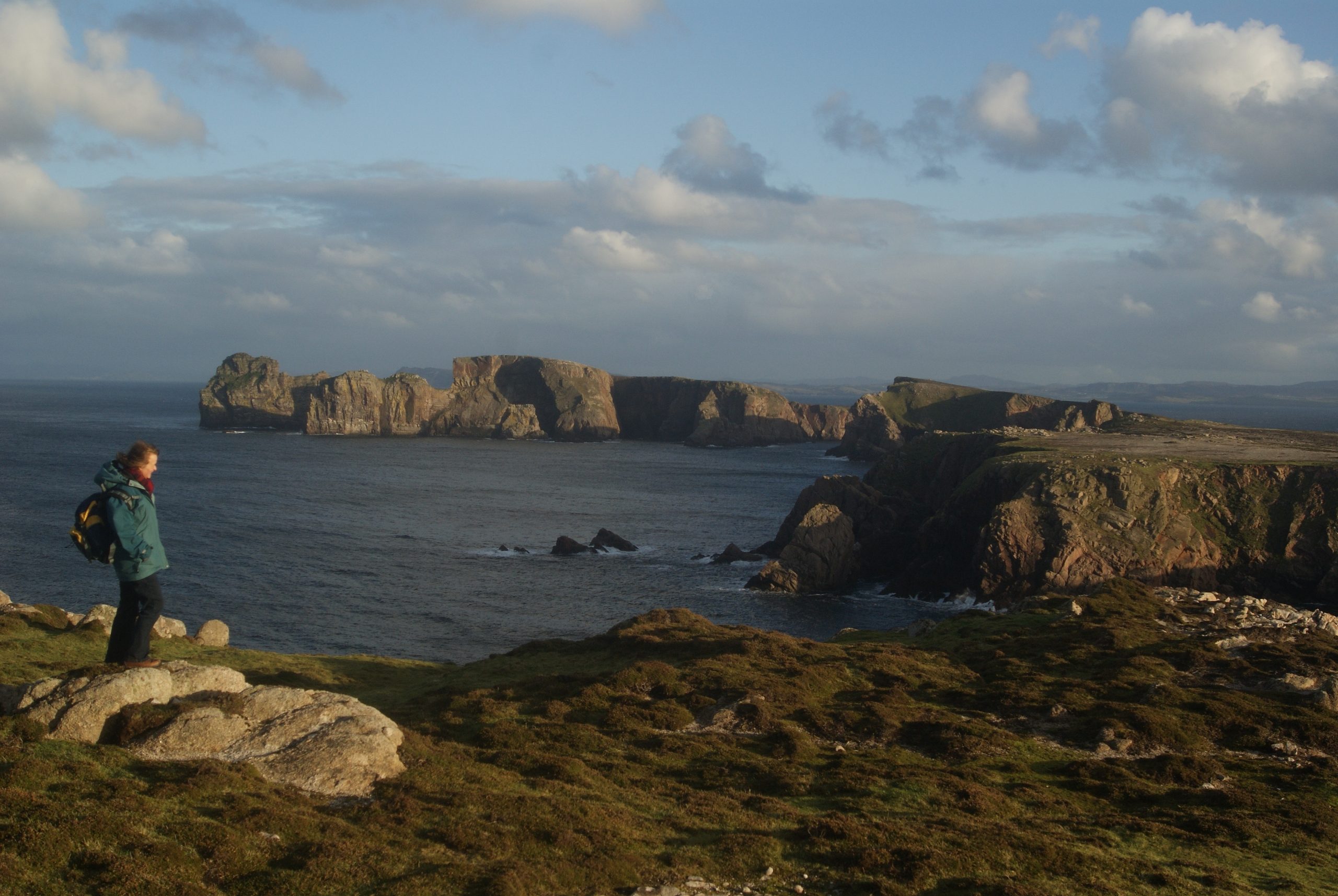
Tory Island, West Donegal
The wild island off the north west. Difficult to get to and easy to get stranded on. 15 waxcaps.
Turlough Hill, the Burren, Clare
Another of the better sites on the Burren with 13 waxcaps.