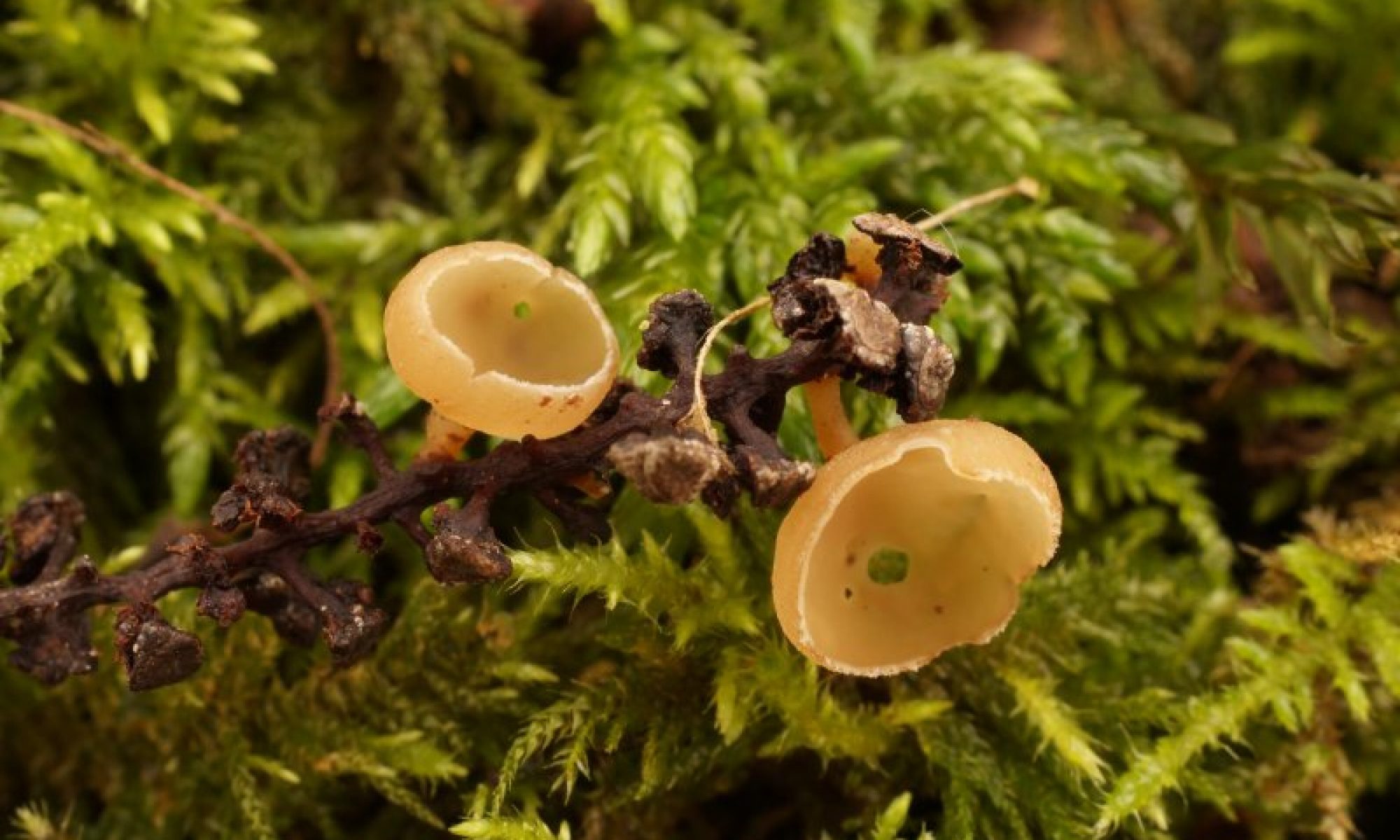
Clavaria atroumbrina
Found on the Curragh. There is still an element of doubt about this one but this group is in a a bit of taxonomic flux so I will keep an eye on new sequences on GenBank and review. I have LSU and ITS sequences for it and it comes back as closest to C. pullei which is very close to C. atroumbrina, in fact so close that some doubt if it is a good species and only atroumbrina is on the Kew Checklist. There is only a minor difference in spore shape. Neither type has actually been sequenced. There is doubt as I appeared to find a loop clamp at the base of a basidia which shouldn’t be found with either species but the sequences kept coming back to this area. The spores fit atroumbrina rather than pullei as they have a slightly higher Q value. C. atroumbrina was described from the US and the Americans do seem to think this could be a complex and the European species may even be different. There is a newly described European species – Clavaria lametina but the spores and sequence is wrong for that. There is only one other Irish record of C. atroumbrina from Castle Archdale in Fermanagh in 2012 on a BMS foray.
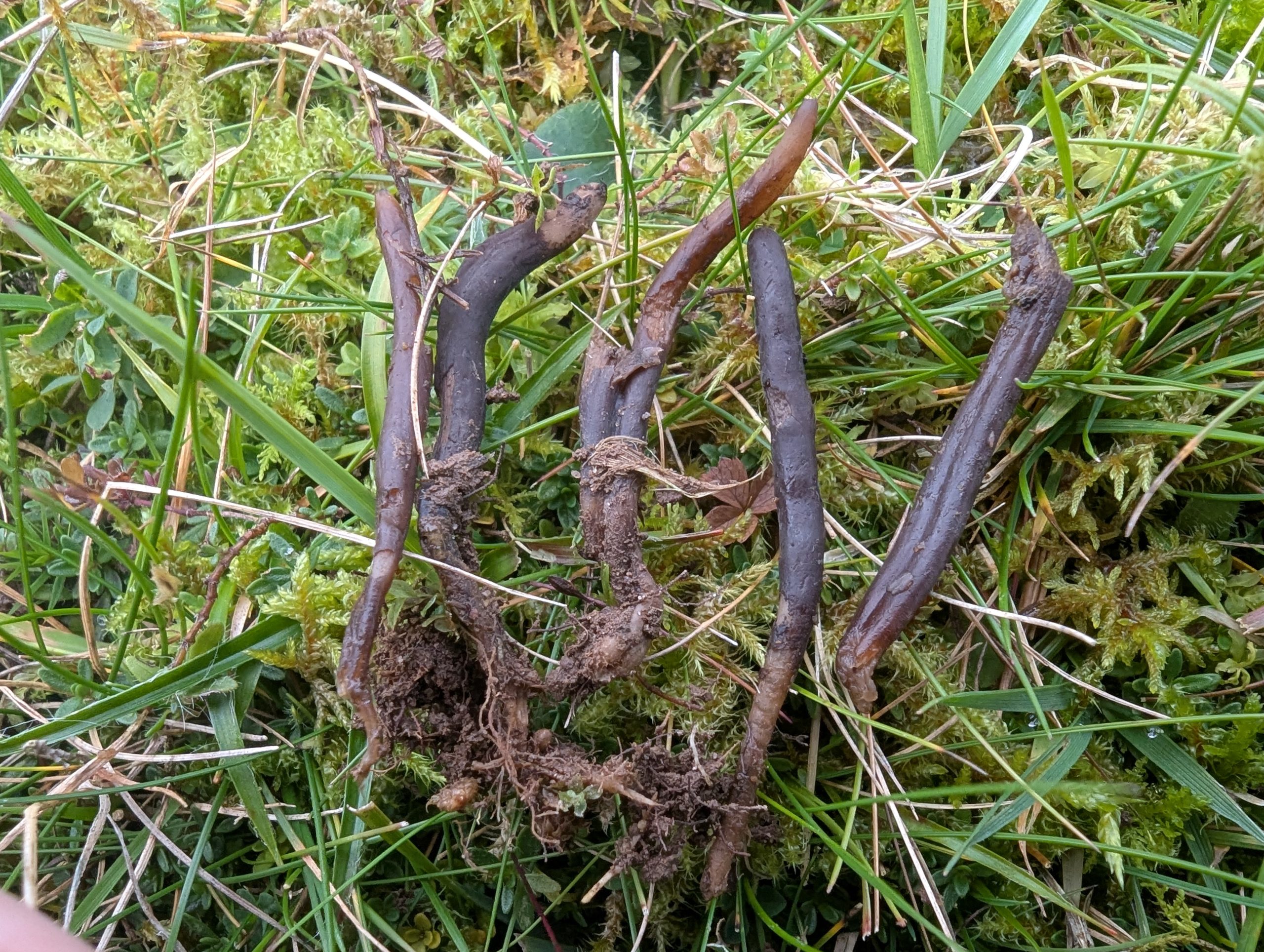
Clavaria messapica
This is one of the pink single clubs. There used to be just one species – Clavaria incarnata but it realised now that there are more species in the group. We haven’t found them often in Ireland and there have been observations in GB that they seem to occur with the Meadow Waxcap but we haven’t found that yet. This one was found by Kathryn Keys at Binvenagh but also found at Runkerry by the Giant’s Causeway by Simeon Cathcart.
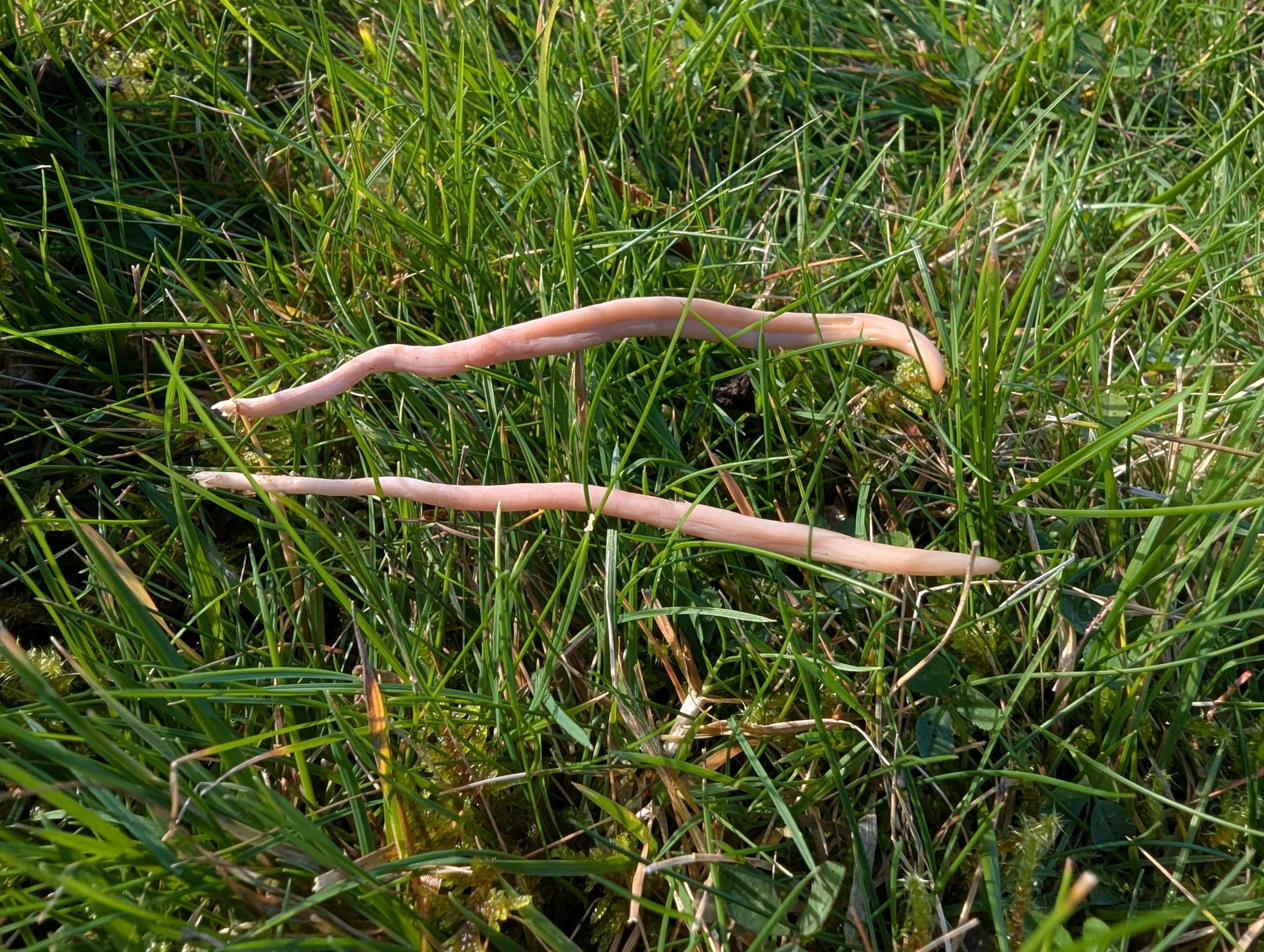
Clavulinopsis aff. trigonospora
A series of yellow Clavulinopsis with large globose to slightly triangular spores were found from a variety of locations including Rashee Cemetery in Ballyclare, Ballynure Church of Ireland, Kebble and Rue Point on Rathlin, Gortnagory, Ballycoos Hill near to Linford Barrows and the Curragh. I wondered about these being C. trigonospora due to some of the spores being odd shaped and slightly triangular but the sequences are some distance away as are those of C. corniculata f. simplex, another possibility. The only other thing I can think of are single clubs of C. fusiformis as the spores would fit that but that is a distinctive clumped species. The Rue Point ITS sequence is nearer to fusiformis but none of the others are and all the LSU sequences are different to fusiformis.
Another confusing aspect is some of the sequences come close to sequences labelled as C. laeticolor but there are sequences labelled as this appearing in the tree all over the place so that is a species that is often misidentified. I do have one recent specimen identified as C. laeticolor from 2024 from Binevenagh with spores that have a very large apiculus but unfortunately this sequence failed. The spores of laeticolor are however quite different to these unknown ones so I would be very surprised if the C. laeticolor sequence in the tree near to the Gortnagory find was really C. laeticolor. I am sending all the specimens off to the University of Aberystwyth where Louise Tranter is doing a PhD on the group so we’ll see what happens but it might take a while and this remains an “aff. (affinity)” for now.
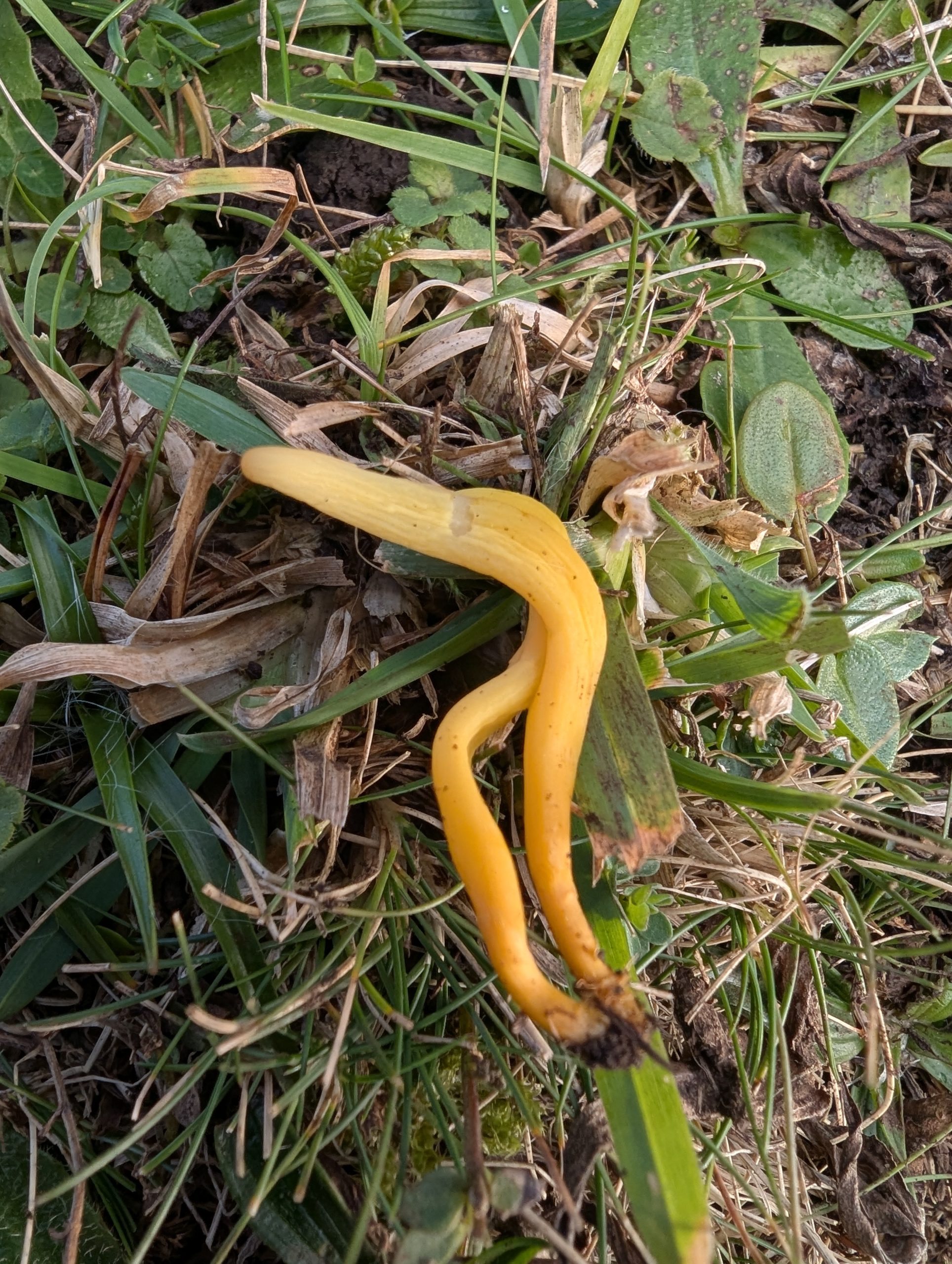
Clavulinopsis unknown, Kebble NNR, Rathlin
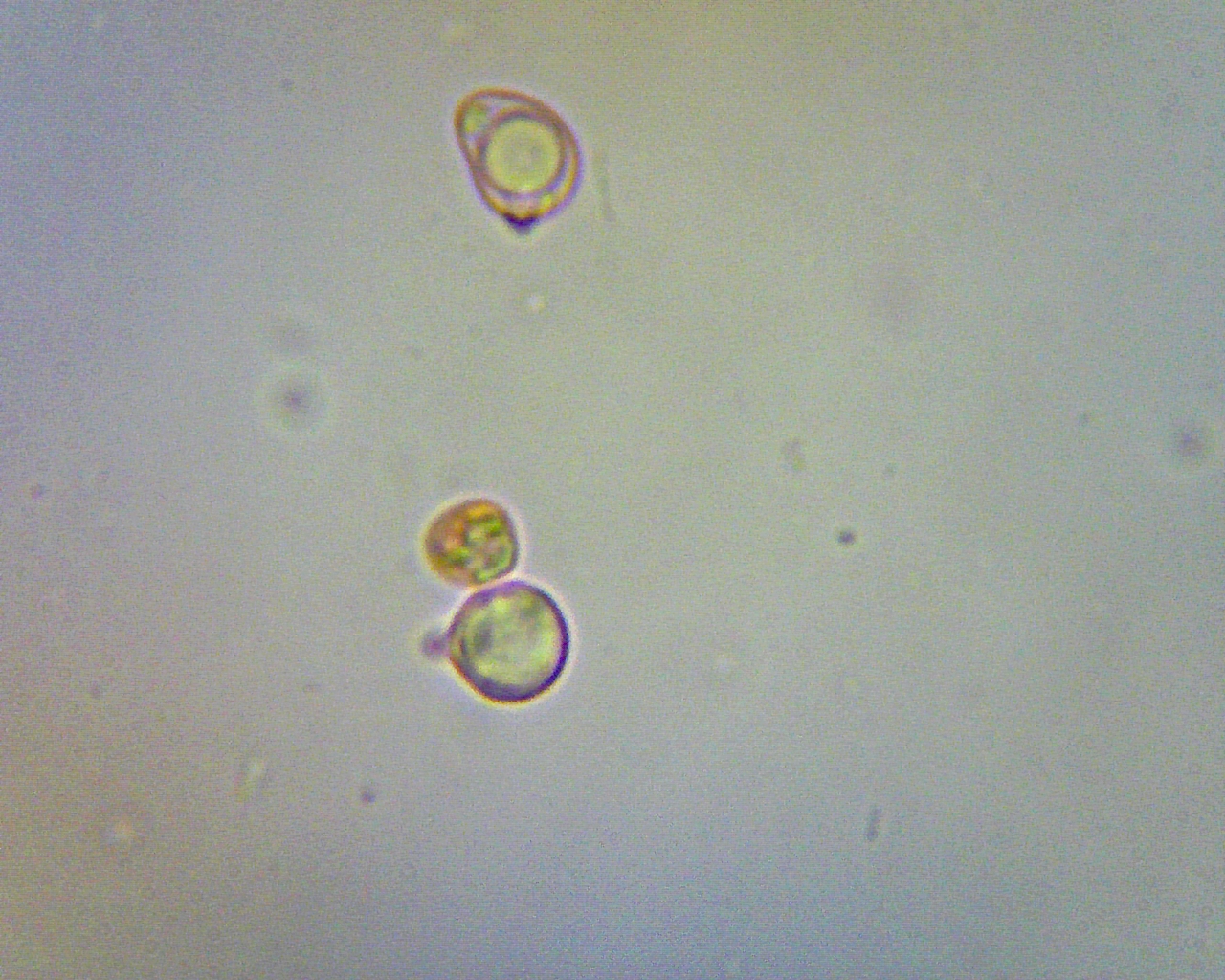
Clavulinopsis unknown spores
Clavulinopsis umbrinella
Some species are rarely seen and then in one year, you see them everywhere. This was the year of the Beige Coral, Clavulinopsis umbrinella. Before this year, it was known from 31 sites in Ireland but this year, it turned up on an additional 11 sites.
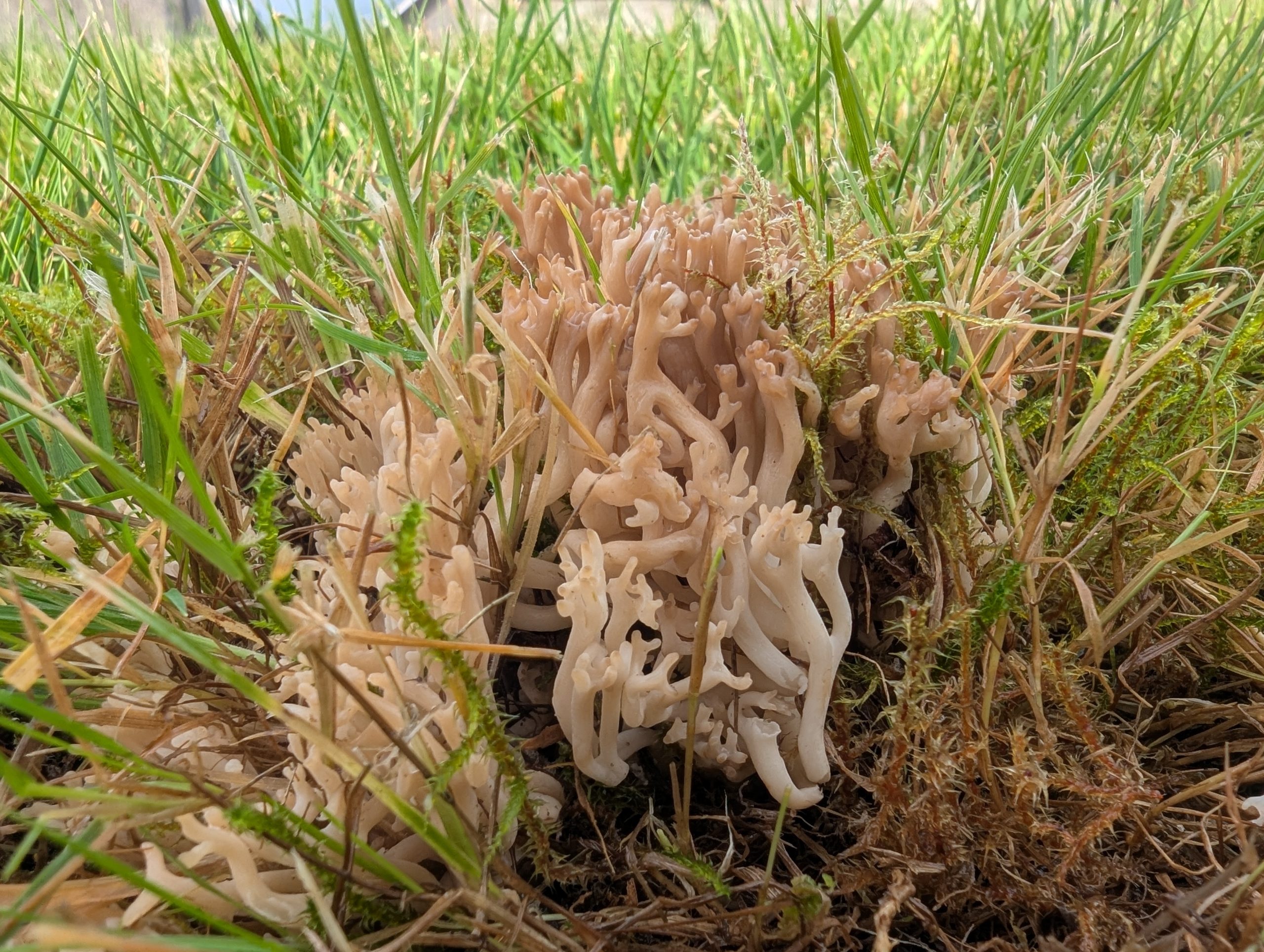
Clavulinopsis umbrinella, Dungiven Church of Ireland
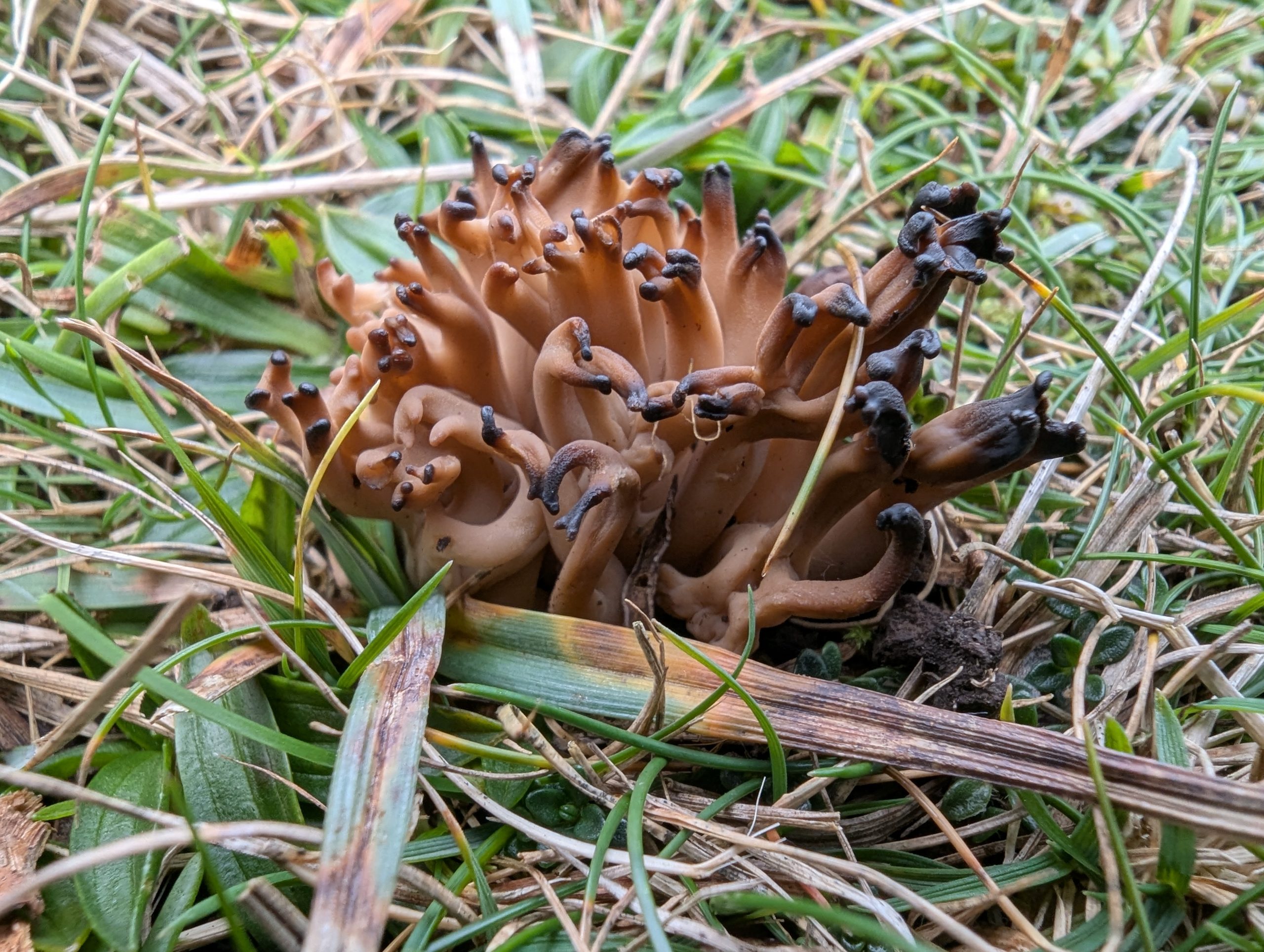
Clavulinopsis umbrinella with tips salt damaged. Roonivoolin RSPB Reserve, Rathlin Island
Lamelloclavaria petersenii
This was the first gilled “Fairy Club” before molecular work added all Hodophilus and Camarophyllopsis. A first Irish record found at the Curragh on an old rath. Very close to Camarophyllopsis schulzerii, it is distinguished by a rimose cap. broadly adnate to slightly decurrent lamellae, no clamp connections, cells of the cap being filamentous rather than swollen with occasional nodules and small elongate spores (rather than subglobose) plus its different ITS sequence.
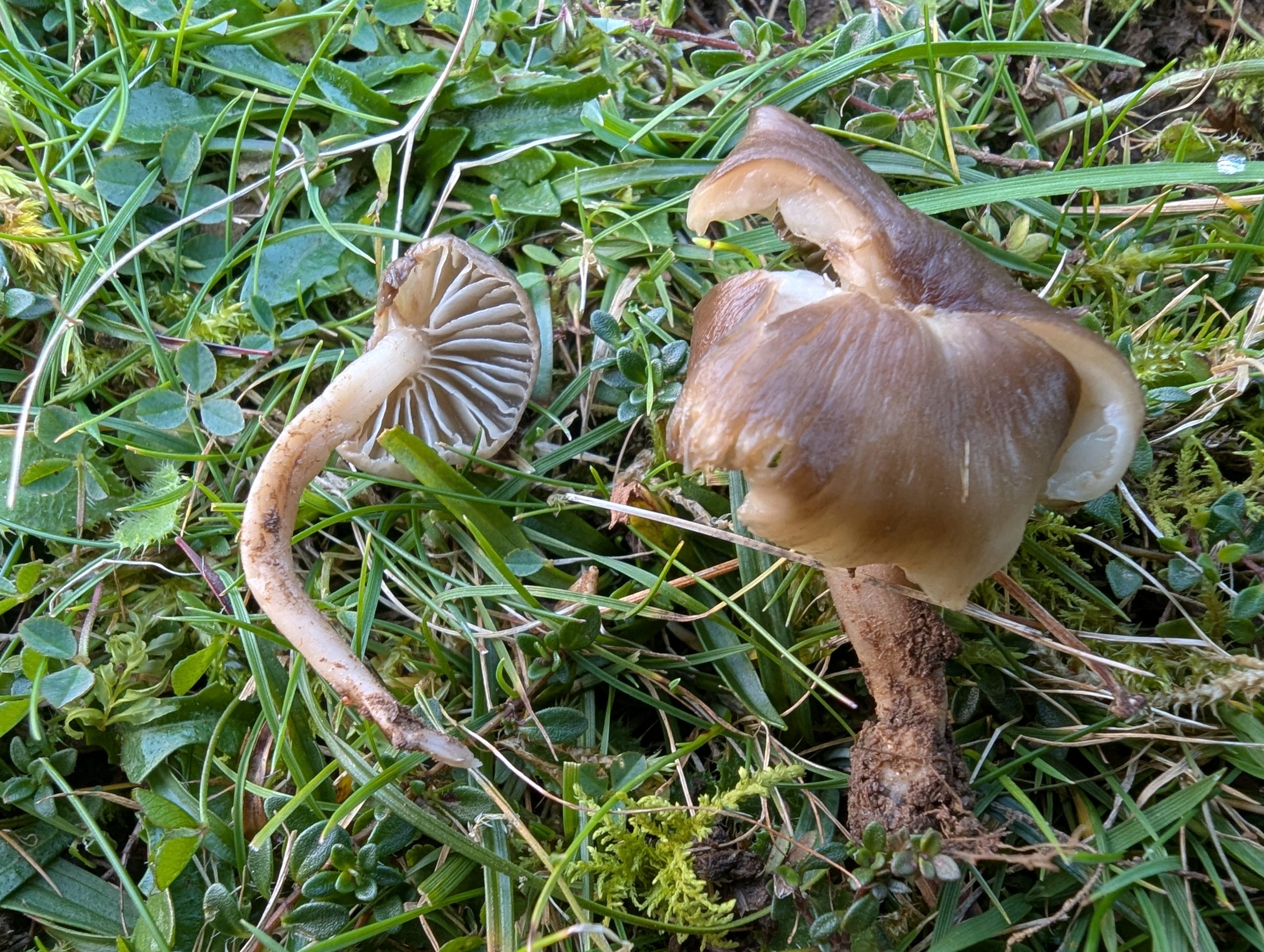
Lamelloclavaria petersenii from the Curragh
Ramariopsis minutula
Found by Mo Rainey at Mount Stewart on 25/10/2025, this is a small delicate white branching fairy club. There are a number of species that look like this including R. kunzei s.str., R. subtilis and R. tenuiramosa and microscopic examination is critical. This one had very small subglobose spores averaging 3.7 x 2.9µm with hardly any ornamentation. The sequence alas hardly help as there are almost none available for a number of things in this section but this clearly keys to R. minutula in the Italian Clavarioid book due to the very small spore size and lack of ornamentation. A first Irish record.
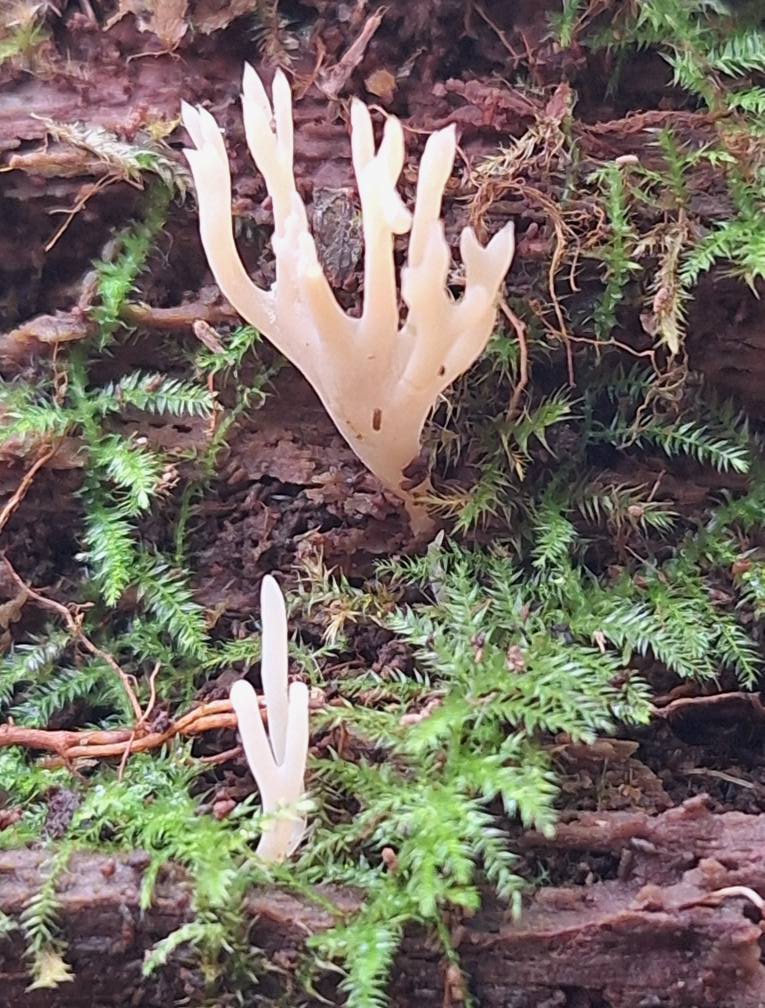
Ramariopsis minitula. Photo by Mo Rainey from Mount Stewart