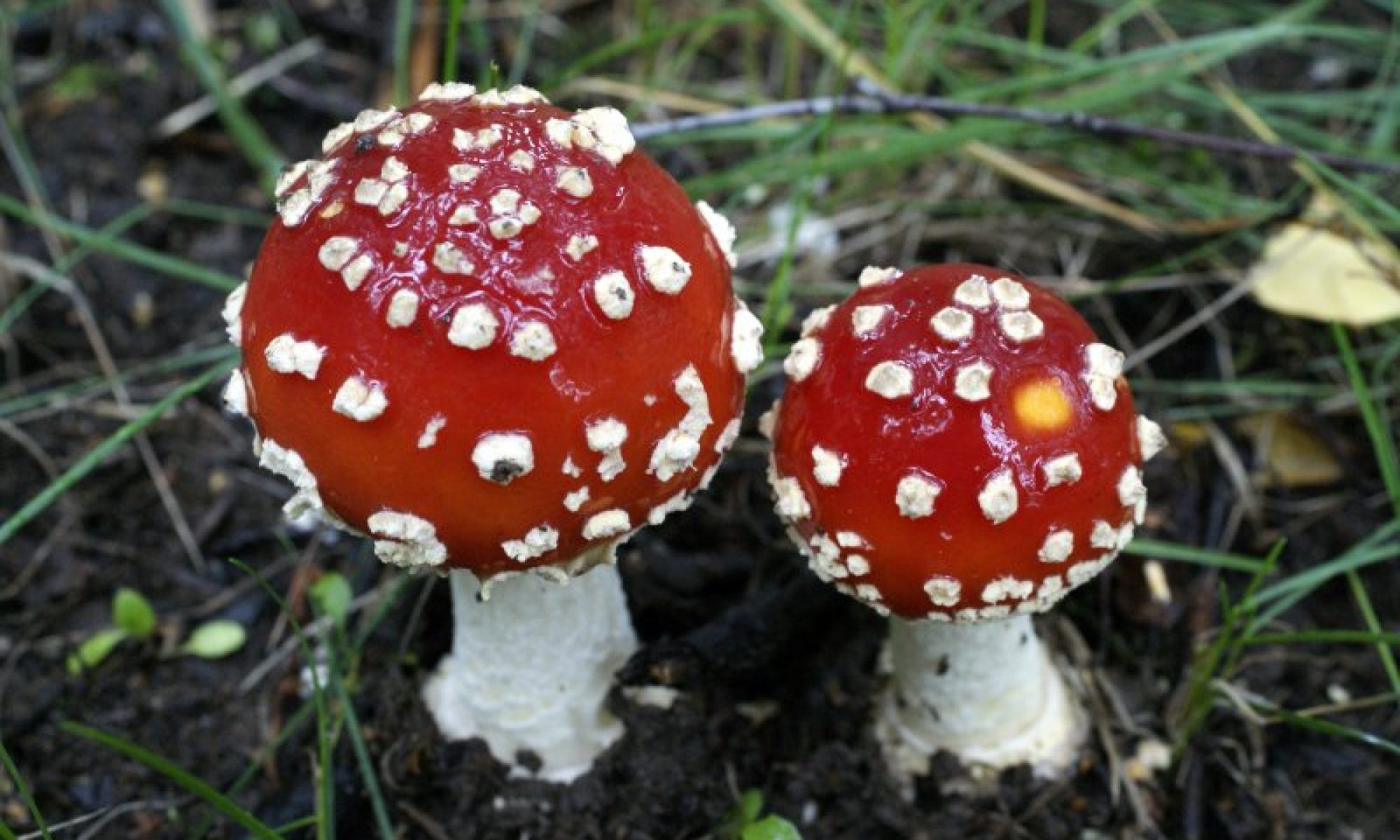
As the NIFG are now getting our second Bento Lab for extracting DNA from fungi for sequencing, collecting, drying and preserving fungi is becoming more and more important. DNA degrades very quickly so promptly drying and preserving the specimen before sending off for DNA extraction is critical. The following is based on excellent clear guidance from the Norfolk Fungus Group website.
COLLECTING FUNGI
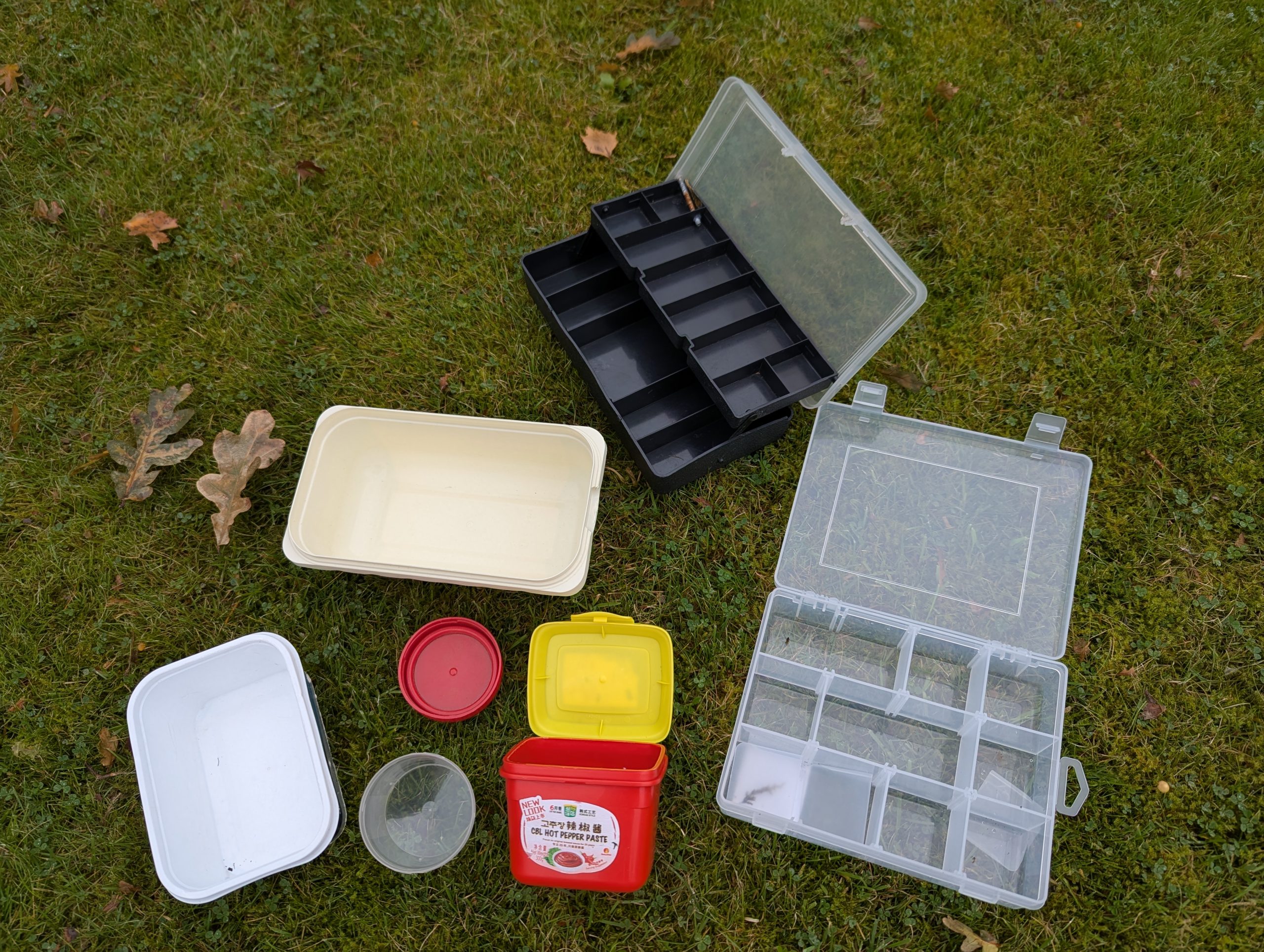
When we are in the field, it is very important to collect fungi correctly keeping the different species separately to each other. This avoids cross-contamination which will really throw any attempts to measure spores later or extract DNA. Use anything that keeps the mushrooms apart and wash them thoroughly after being used. It is particularly useful to have a wide selection of collecting boxes/tubs for differently sized fungi. The small divided containers for jewellery or sewing that you can get in shops like HobbyCraft can be particularly good for small species like grassland fungi.
DRYING AND PRESERVING FUNGI
Drying fungi is very important. If you have a rare find or something you have not managed to identify, you have to dry it so it can be looked at again. The taxonomy of many groups is not fully understood and is constantly being reexamined. Your dried specimens may be able to help such a revision and also you may want to discover what an old find is now called! As drying alters the fungi, good notes are also essential.
There are really now two reasons for drying and preserving fungi – future microscopic examination and DNA extraction. For the former, you need the whole fruiting body or part of the whole e.g. cap and stipe and for the latter, you only need a small piece of the spore producing part e.g. the gills. Drying the latter is much easier.
The key to drying fungi is to allow a flow of hot air to flow around the fungi. Circulation is very important. It must not be hot enough to cook them and not slow enough to allow them to rot. Large species e.g. Boletes have to be sliced or the insides will not dry quickly enough.
I have heard of all sorts of home made systems e.g using a sheet of expanded aluminium sheet which you can buy in car shops for repairing car bodies. You can shape it into two trays with a central groove which fits over the radiator, the two trays sitting on either side of the radiator. This can work for smaller specimens but you could also put on a radiator, very sunny windowsill or airing cupboard for a couple of days. There are risks of contamination with this method but it is the simplest. The key thing is that at the end of the drying, it must be not contain any moisture so you need to assess if your locations work.
An easier method is to buy a food dehydrator. These are easily available and can cost £25-35 e.g. seach for food dehydrator on sites like Amazon. This allows a variety of heating levels and a series of trays to be stacked on top of each other. These are excellent and can dry all types of fungi (as well as any excess garden produce you may have).
Advice until recently has not been to use an oven as it was thought that it was too easy to cook the mushroom but a recent research on Nature, found that drying a fungus at temperatures up to 70°C for 3-4 hours preserved the DNA (but not at higher temperatures). Samples of fungi about 1 square centimetre were wrapped in clean tissue paper and put on a metal tray in the oven. As ideally the fungi are dried quickly, 70°C for 3-4 hours was found to be ideal. It is not clear in the paper how this process would work with a whole fungus. They only used tiny samples for later DNA extraction. If you want to try this method for a whole fungus, you may need to slice it first but there will be an element of trial and error with the timings needed to dry the fungus properly.
Whatever method is chosen, it is now important to freeze the dried specimens in a closed container for 2 days at -18°C to kill off any bugs which amazingly can have survived the drying process. On a number of occasions, I have later found my dried specimens to be hollowed out by chomping insects.
Once frozen for two days, thaw it on kitchen paper, then wrap in kitchen paper and put in a sealed plastic bag preferably with a small satchet of silica gel (never throw them out!!). I do wonder if in the thawing process if the fungus may reabsorb water so it may need a short period of drying again. This would have to be experimented with.
Add good labels e.g. possible fungus name, site name, date as a bare minimum and preferably with notes that would help any future examination e.g. smell, taste, cap size, stipe length etc and then put in an air tight container to keep all moisture out. There is no point going to all the work of drying the mushroom only to let it reabsorb moisture and rot. Silica gel satchets and sealed plastic bags are not expensive especially if compared to the cost of DNA lab and supplies.
All of this may seem a lot of time, but if you are sending samples for DNA extraction or examination, those will take a lot more time and you may have found something quite special….